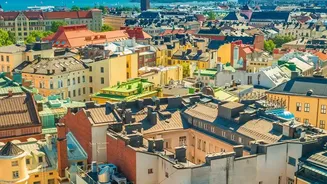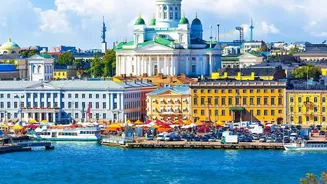

What makes a passport powerful? While most rankings focus solely on visa-free travel, a new index is flipping the script. Finland has just topped the inaugural 2026 Happy Passports Index, suggesting true value lies in more than just mobility.
Decoding the Happy Passports Index
For years,
passport strength has been a simple numbers game: the more countries you can enter without a visa, the more powerful your passport. But the newly launched Happy Passports Index for 2026, published by advisory firm Global Citizen Solutions, offers a more holistic perspective. This innovative ranking moves beyond mere mobility to ask a more profound question: what is a passport worth if the country it represents doesn't offer its citizens a high quality of life? The index assesses 50 countries not just on travel freedom, but on four equally weighted pillars: Wellbeing, Freedom at Home, Mobility, and Prosperity, Health & Safety. This method combines a passport's travel power with crucial lifestyle factors, creating a more comprehensive picture of a nation's overall desirability.
Why Finland Leads the Pack
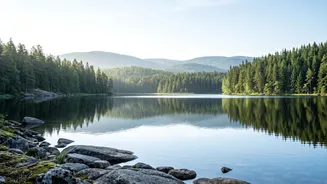
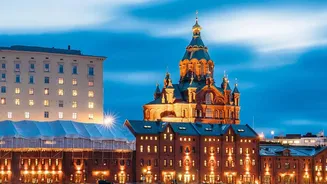
Finland’s top score of 93.2 out of 100 is no accident. The nation has consistently been ranked the happiest country in the world for several years in a row, thanks to its robust social support systems, high levels of trust, and a deep-rooted connection to nature. The Happy Passports Index methodology rewards this internal strength. Finland excelled in the 'Wellbeing' category, which draws data from the World Happiness Report and measures how satisfied citizens are with their lives. While its passport is also powerful in a traditional sense, providing excellent mobility, its victory in this index is secured by its high scores in domestic factors like personal freedom and safety. This combination proves that the Finnish passport isn't just a key to the world; it's a reflection of a society that prioritises the happiness and security of its people.
The Top Performers: A Snapshot
The top of the leaderboard is dominated by Nordic countries, which is unsurprising given their global reputation for high living standards. Following closely behind Finland are Iceland with 92.4 points and Denmark with 92.1. Norway and Sweden also feature in the top six, reinforcing the region's strength across both mobility and quality of life metrics. Switzerland, the Netherlands, and Austria also secured spots in the top ten, showcasing Europe's strong performance. However, the list also includes non-European nations like New Zealand at eighth and Singapore at tenth, highlighting that different paths can lead to a 'happy passport'.
Powerful Isn't Always Happy
One of the most fascinating takeaways from the index is that a powerful passport doesn't automatically equal a happy population. Singapore, for instance, has one of the world's strongest passports in terms of visa-free access and scored very high on prosperity and health. However, it ranked just 23rd for wellbeing among the 50 countries surveyed, which pushed its overall ranking down to tenth. Conversely, countries like Costa Rica ranked fourth for life satisfaction despite having a passport with more limited mobility. This disconnect underscores the index's core argument: true passport value is a balance. The freedom to travel is important, but so is the freedom to thrive at home.
A New Era for Global Mobility?
The Happy Passports Index reflects a broader shift in how we define global citizenship. As remote work and international living become more common, people are increasingly looking for more than just a convenient travel document. They are seeking security, freedom, and a high quality of life. This index could influence not only individual decisions about where to live and work but also put pressure on governments worldwide. It suggests that to be truly competitive and attractive on the global stage, nations must invest in the wellbeing of their citizens, not just in strengthening diplomatic ties for visa-free travel. The happiest passports, it seems, belong to the countries that offer the best of both worlds.