




The Monsoon Gardening Advantage
After months of battling scorching summer heat, the monsoon provides a welcome reprieve for both gardeners and plants. The cooler temperatures, increased humidity, and natural watering create ideal conditions for many plants to thrive. This period of abundance
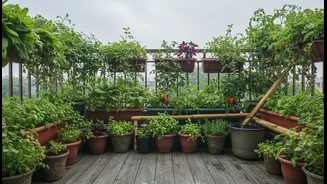
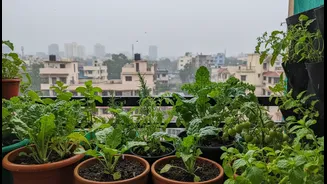
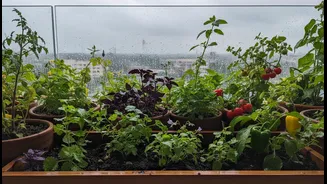
allows even novice gardeners to experience the joy of seeing seeds sprout and leaves unfurl with astonishing speed. Foliage plants like ferns and monsteras become particularly vibrant, and many vegetables that struggle in the heat find the monsoon climate perfect for vigorous growth. A balcony garden becomes more than just a hobby; it turns into a personal oasis, a small ecosystem that offers a daily connection to nature amidst city life.
Choosing Your Monsoon Champions
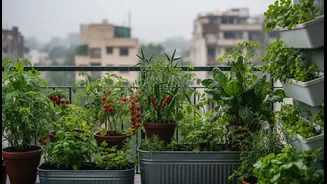
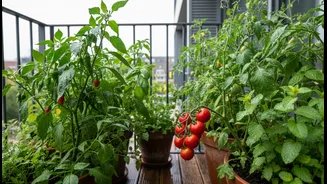
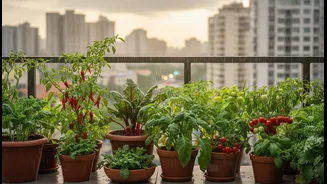
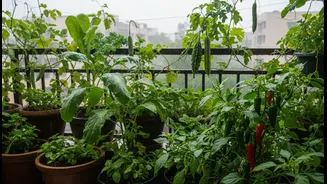
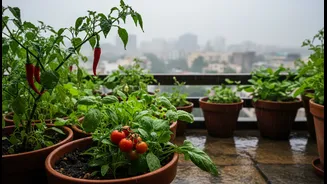
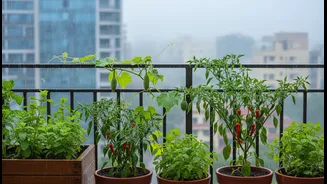
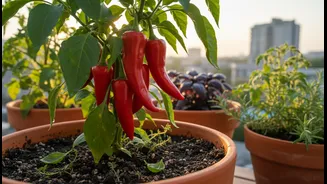
The key to a successful monsoon garden lies in selecting the right plants. Gourds are the undisputed stars of the season. Varieties like bottle gourd (lauki), bitter gourd (karela), and ridge gourd (turai) flourish in the humidity, but they are vigorous climbers and will require a sturdy trellis for support. Leafy greens such as spinach (palak) and amaranth (chaulai) grow rapidly and can be harvested within weeks. For a continuous supply of spice, chilli plants are an excellent choice as they adapt well to containers and the monsoon climate. Essential herbs like mint, coriander, and tulsi (holy basil) also do exceptionally well, providing fresh flavours for your kitchen right at your doorstep. Okra (bhindi) and various types of beans are other robust options that produce generously during this time.
Setting Up for Success
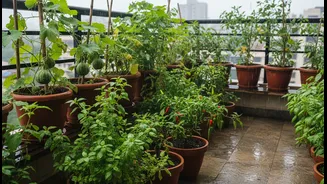
Proper setup is crucial, especially when dealing with the monsoon's defining feature: water. The number one rule is to ensure excellent drainage. Choose pots with multiple drainage holes and consider elevating them on stands or bricks to prevent water from pooling at the base. Avoid using saucers that can trap excess water and lead to root rot. A well-draining soil mix is equally important; a combination of garden soil, compost, and coco peat or sand will help prevent waterlogging. For vining plants like gourds and cucumbers, installing a trellis or support structure early is essential to manage their growth and keep the fruit off the wet ground.
Navigating the Limits and Challenges
While the monsoon is a season of growth, it is not without its challenges. The headline's mention of "limits" is a nod to the realities of monsoon gardening. The constant moisture and humidity that plants love also create a perfect breeding ground for fungal diseases like powdery mildew and root rot. Pests such as aphids, mealybugs, and snails multiply rapidly in these conditions. To manage these issues, ensure good air circulation by not overcrowding your plants. Regular inspection for pests and signs of disease is critical. A preventative spray of neem oil solution can be an effective organic way to keep many pests and fungal issues at bay. Overwatering is the most common mistake; while it may be raining, always check if the topsoil is dry before watering your plants manually.
The Rewarding Harvest
The effort invested in your monsoon balcony garden pays off in the form of a fresh, organic harvest. There is a unique satisfaction in stepping out to pluck your own chillies for a curry, fresh mint for tea, or tender gourds for a sabzi. Beyond the tangible produce, the process itself is deeply rewarding. Tending to plants, watching them grow through the rainy season, and harvesting the fruits of your labour offers a profound sense of accomplishment and a peaceful escape from the daily hustle. It’s a simple, tangible way to bring a little bit of the countryside's bounty to an urban windowsill or balcony.