



The Science Behind the Blue
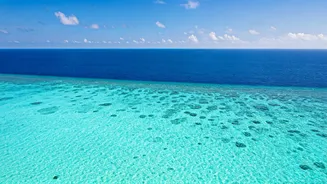
That iconic turquoise hue isn’t a filter; it’s a beautiful combination of geology and biology. The Maldives is an archipelago of 26 coral atolls, which are ring-shaped coral reefs enclosing a lagoon. The water inside these lagoons is shallow and sits
atop a bed of fine, white sand. This combination does two things: the white sand reflects sunlight back up through the water, and the shallowness means there are fewer particles to scatter the light, allowing the blue and green wavelengths to dominate. Furthermore, the surrounding Indian Ocean is incredibly clear and low in nutrients, which limits the growth of phytoplankton. Less plankton means less green, resulting in the brilliant, crystal-clear blue that has made the islands famous. It's a perfect natural recipe for picture-perfect water.
The Overwater Bungalow Dream
When you think of the Maldives, you likely picture a wooden villa on stilts with a private deck and steps leading directly into the sea. This is the overwater bungalow, an invention that has become synonymous with Maldivian luxury. Pioneered here in the 1970s, these villas offer unparalleled privacy and an immediate connection to the ocean. Waking up to the sound of gentle waves and having the world’s most beautiful swimming pool at your doorstep is an experience that tops many bucket lists. Most resorts are on private islands, meaning the entire island is dedicated to the hotel and its guests, ensuring an exclusive and serene environment perfect for honeymoons, anniversaries, or simply a luxurious escape from reality.
Beyond Bungalows: Local Islands and Beach Villas
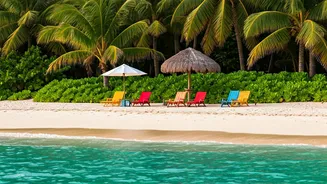
While overwater bungalows are the stars, they aren't the only way to experience the Maldives. For a different vibe, consider a beach villa. These are often just steps from the shore, nestled among tropical vegetation, offering a blend of beach access and privacy. They can be a more affordable option than their overwater counterparts while still providing a luxurious stay. For an even more budget-friendly and culturally immersive trip, consider staying on a local island. In recent years, islands like Maafushi, Thulusdhoo, and Dhigurah have opened up to tourism with guesthouses and local hotels. This allows you to experience Maldivian culture, eat at local cafes, and enjoy the same stunning beaches and waters at a fraction of the price of a private resort.
Getting Into the Water
Looking at the water is one thing; experiencing it is another. The Maldives is a world-class destination for snorkelling and scuba diving. The calm, clear lagoons are perfect for beginners to see vibrant coral and schools of colourful fish right from their resort. For more advanced divers, channel dives offer thrilling encounters with larger marine life like manta rays, sharks, and turtles. Most resorts have their own PADI-certified dive centres and offer excursions to nearby thilas (underwater pinnacles) and giris (smaller reefs). Even if you don't dive, activities like kayaking, paddleboarding, and jet-skiing offer fun ways to explore the lagoons. A sunset cruise on a traditional dhoni boat is another must-do, often accompanied by dolphin sightings.
Tips for Indian Travellers
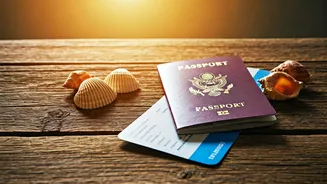
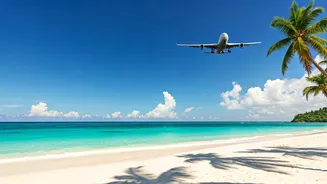
The Maldives is exceptionally accessible for travellers from India, making it a popular choice for a quick, luxurious getaway. One of the biggest advantages is the visa policy: Indian citizens receive a free visa on arrival for up to 30 days. Direct flights are available from major cities like Mumbai, Delhi, Bengaluru, and Kochi, with flight times typically ranging from 2 to 4 hours. This proximity makes it feasible even for a long weekend trip. The Maldivian Rufiyaa is the local currency, but US Dollars are widely accepted, especially in resorts, so it's often easier to carry USD for your expenses. While resorts can be expensive, planning your trip during the shoulder season (April-June or September-November) can offer better deals on flights and accommodation.