

A Jewel of the Indian Winter
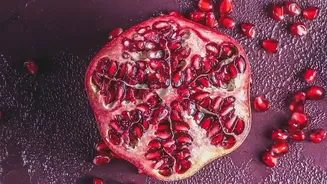
While pomegranates are cultivated to be available nearly year-round in India thanks to a unique farming system known as 'bahar' treatment, the 'mrig bahar' crop, harvested from December through February, is particularly prized. This winter harvest benefits
from the cool, dry weather, which helps develop the deep red colour and balanced sweet-tart flavour the fruit is celebrated for. This makes winter the perfect time to enjoy pomegranates at their peak. The 'Bhagwa' variety, in particular, is popular for its large size, sweet arils, and thick skin that makes it ideal for transport and storage, ensuring it reaches markets across the country in excellent condition. For many, the sight of vendors cracking open these ruby-red orbs is a quintessential part of the Indian winter experience.
A Powerhouse of Nutrition
The pomegranate is often called a 'superfood', and for good reason. Each juicy seed, or aril, is packed with vitamins, minerals, and fibre. But its most significant health benefits come from powerful plant compounds like punicalagins and anthocyanins. These are potent antioxidants, with studies suggesting that pomegranate's antioxidant activity is three times that of green tea or red wine. These compounds help protect the body's cells from damage and may reduce inflammation, which is linked to various chronic diseases. Regular consumption has been associated with supporting heart health by potentially lowering blood pressure and reducing the buildup of 'bad' LDL cholesterol in arteries.
How to Pick the Perfect Pomegranate
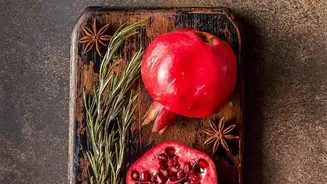
Choosing a good pomegranate is simpler than it seems and doesn't rely on colour alone, as varieties can range from pink to deep red. The first clue is weight; a ripe pomegranate should feel surprisingly heavy for its size, which indicates that its arils are plump and full of juice. Next, check the skin. It should be firm, smooth, and leathery. Don't worry about minor surface scratches, but avoid any fruits with soft spots or large cracks. Finally, look at the shape. Ripe pomegranates often lose their perfectly round form and develop slightly flattened, angular sides as the swollen seeds press against the outer wall. The small, petal-like crown on top should also be slightly dried and curled inward.
The Easiest Way to Release the Seeds
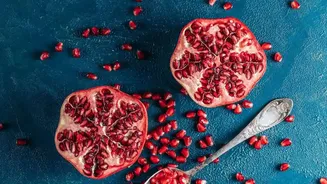
The task of deseeding a pomegranate can seem daunting, but a few simple tricks make it mess-free. One of the most effective methods is the 'whack-a-pom' technique. First, slice the fruit in half horizontally. Hold one half, cut-side down, over a large bowl. Using a sturdy wooden spoon or spatula, give the back of the pomegranate firm taps. The arils will fall out into the bowl, leaving most of the bitter white membrane behind. Another popular method is to deseed it in a bowl of water. Score the skin and break the fruit into sections underwater. The arils will sink to the bottom while the lighter pith floats to the top, which you can then easily skim off.
Versatility in the Indian Kitchen
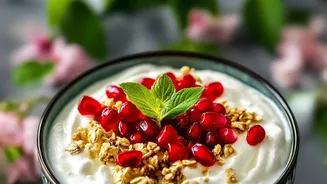
In India, the pomegranate is far more than just a fruit to be eaten on its own. Its seeds are a versatile ingredient in both sweet and savoury dishes. They are commonly used as a vibrant garnish on everything from salads and raitas to rice dishes, adding a burst of colour and a pop of juicy texture. Pomegranate raita is a refreshing side dish that balances the coolness of yogurt with the fruit's sweetness. The seeds are also key in chutneys, where their sweet-tart flavour complements spices beautifully. Even the peel can be used in some regional recipes, like a South Indian 'kadi' or gravy, showcasing the fruit's zero-waste potential. And of course, fresh pomegranate juice, often sold by street vendors with a dash of black salt and lime, is a beloved and refreshing drink.
A Symbol of Prosperity and Life
The pomegranate's significance in India extends deep into its cultural and spiritual heritage. In Hindu traditions, the fruit, with its abundance of seeds, is a powerful symbol of fertility, prosperity, and wealth. It is often associated with deities like Ganesha and Bhumi (the earth goddess) and is a common offering in religious ceremonies and rituals. Ancient scriptures like the Rigveda and Atharvaveda mention the pomegranate as a symbol of divine blessings. This symbolism is also reflected in Indian art and textiles, where the pomegranate motif has been used for centuries to represent life, abundance, and vitality.