



How Virtual Try-On Works
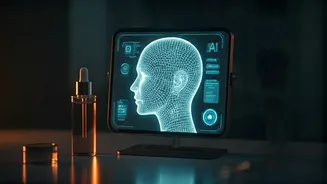
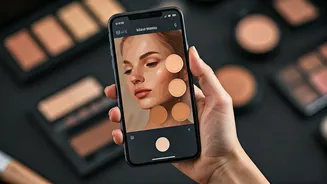
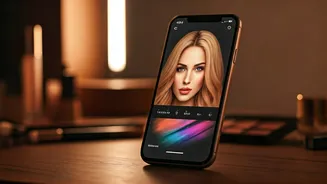
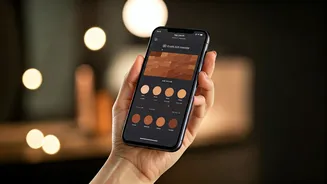
At the heart of virtual try-on is a blend of Artificial Intelligence (AI) and Augmented Reality (AR). When you open a compatible app or website, the technology uses your device's camera to initiate a process called facial landmark detection. The AI scans
your face, identifying dozens of key points—like the corners of your lips and the shape of your eyes—to create a precise 3D map of your features. This allows the AR to overlay digital products, like lipstick or eyeshadow, onto your live image with remarkable accuracy. Advanced algorithms then adjust for your movements, expressions, and even the lighting in your room to create a seamless, true-to-life preview.
From Novelty to Necessity
What started as a fun gimmick has quickly become a crucial tool for beauty e-commerce. The global pandemic accelerated the shift to online shopping, leaving brands to solve the challenge of selling products that traditionally relied on physical testers. Companies like L'Oréal, with its ModiFace technology, and Perfect Corp, the creator of the popular YouCam Makeup app, have led the charge. These platforms offer hyper-realistic simulations for hundreds of products. For Indian consumers, major retailers like Nykaa have integrated this technology, allowing shoppers to virtually test products from L'Oréal and other leading brands directly on the platform.
The Benefits for Shoppers and Brands
The advantages are clear for consumers. Virtual try-on offers unmatched convenience and the freedom to experiment with bold new looks without commitment. For brands, the technology is a powerful business driver. Studies and brand reports indicate that interactive AR experiences lead to significantly higher conversion rates and, crucially, a reduction in product returns. By allowing customers to make more confident purchasing decisions, brands build loyalty and gather valuable data on consumer preferences, helping them to refine their product offerings and marketing strategies.
Beyond Makeup
The technology isn't just for lipstick and blush anymore. It has expanded to include virtual hair colour changers, allowing you to see if you'd suit blonde or brunette shades before taking the plunge. Furthermore, AI is now being used for skincare analysis. Some apps can scan your skin to identify concerns like dryness, acne, or wrinkles and then recommend specific products. The latest innovations even include virtual try-ons for accessories like glasses and jewellery, pointing towards a future where your entire look can be curated digitally before you add anything to your cart.
Realism vs. Reality: The Challenges Ahead
Despite its advancements, the technology is not without its limitations. The accuracy of the virtual try-on can be affected by the quality of your device's camera and ambient lighting. Furthermore, questions around data privacy persist, as these tools require access to your facial data. While many companies state that user images are not stored, it's a valid concern for consumers. There's also a broader conversation about how these tools, which often include beautifying filters and facial reshaping options, could perpetuate unrealistic beauty standards, blurring the line between a helpful preview and digital distortion.