






The Sunshine Paradox in India
It’s a strange reality: in a country blessed with abundant sunshine, an estimated 70% to 100% of the population has low levels of Vitamin D. This silent epidemic affects people across all ages and regions. Several factors contribute to this paradox. Modern
indoor lifestyles, long office hours, and commuting in vehicles mean less time spent in direct sunlight. When people are outdoors, concerns about sun damage lead to widespread use of sunscreen, which blocks the very UVB rays needed for Vitamin D synthesis. Furthermore, melanin, the pigment that gives skin its colour, acts as a natural sunblock. This means individuals with darker skin tones, common in India, need more sun exposure than those with lighter skin to produce the same amount of Vitamin D. Cultural clothing that covers most of the skin also plays a significant role in limiting sun exposure.
Why It Matters Beyond Bone Health
The most well-known role of Vitamin D is helping the body absorb calcium, making it essential for strong bones and preventing conditions like rickets in children and osteoporosis in adults. However, its benefits don't stop there. Vitamin D is a key modulator of the immune system, and low levels are associated with an increased risk of infections. Emerging research also links deficiency to mood changes, fatigue, muscle weakness, and a higher risk of chronic diseases. The symptoms can often be subtle and non-specific, such as persistent aches, tiredness, or frequent illness, making them easy to dismiss.
Fatty Fish: A Potent Natural Source
When it comes to dietary sources, few foods can match the Vitamin D content of fatty fish. Varieties like salmon, mackerel (bangda), sardines (mathi), and even hilsa (ilish) are excellent choices. These fish store the vitamin in their fat and flesh. Including a serving of fatty fish in your weekly diet, whether grilled, steamed, or in a curry, can provide a significant boost to your Vitamin D intake. For example, 100 grams of mackerel can offer a substantial portion of the recommended daily allowance.
Egg Yolks: The Everyday Powerhouse
For a more accessible and affordable option, look no further than the humble egg. While many discard the yolk to cut down on fat, it's precisely where the Vitamin D is found. One large egg yolk contains a useful amount of this essential nutrient. Eggs are a versatile ingredient in Indian households, easily incorporated into breakfast as bhurji, a simple boiled egg snack, or as part of a curry. While the amount per egg is less than that in fatty fish, their regular inclusion in a balanced diet adds up over time.
Mushrooms: A Unique Plant-Based Option
Mushrooms offer a rare, plant-based source of Vitamin D, but there's a trick. Much like human skin, mushrooms can produce Vitamin D when exposed to ultraviolet (UV) light. Some varieties are grown under UV lamps to enhance their Vitamin D content, but you can also do this at home. Simply slicing mushrooms and leaving them in direct midday sun for 30-60 minutes before cooking can significantly increase their Vitamin D levels. This makes them a valuable food for vegetarians and vegans, who have very few natural dietary sources.
Fortified Foods: Bridging the Gap
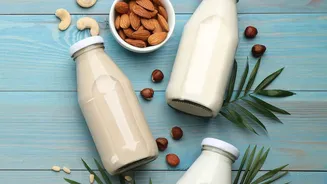
Recognising the widespread deficiency, many everyday staples in India are now fortified with Vitamin D. This means the vitamin is added during processing. Look for products with the '+F' logo. Fortified milk, curd, some cooking oils, breakfast cereals, and plant-based milks like soy or almond milk are becoming increasingly available. These foods offer a practical way to increase your intake without drastic dietary changes. For instance, using fortified milk to make paneer or curd at home can add a small but consistent amount of Vitamin D to your meals.