



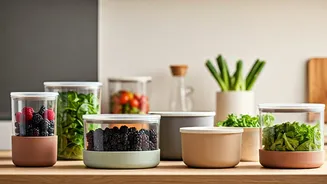
Why Your Old Containers Need a Rethink
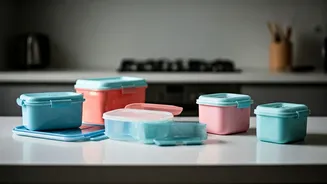
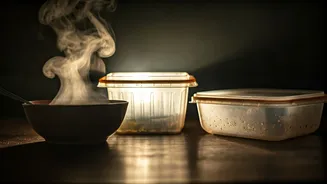
For years, plastic has been the go-to for food storage due to its convenience and low cost. However, many conventional plastic containers contain chemicals like Bisphenol A (BPA) and phthalates. These substances, known as endocrine disruptors, can leach
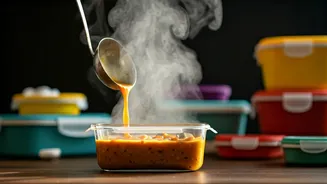
into your food, especially when heated. Studies have linked them to a range of health concerns, including hormonal imbalances. Even products labelled "BPA-free" may not be entirely safe, as they often use substitute chemicals like BPS and BPF, which have shown similar hormone-disrupting effects in early studies. This growing body of evidence is prompting a shift towards materials that don't pose such risks.
The Gold Standard: Glass Containers
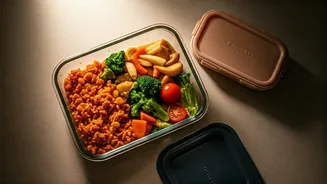
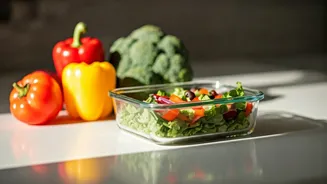
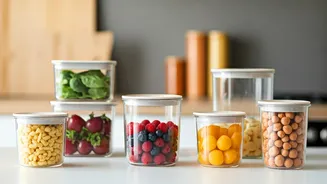
When it comes to safety and peace of mind, glass is the undisputed champion. It's a non-reactive material, meaning it won't leach any chemicals into your food, regardless of temperature. You can safely move a glass container from the refrigerator to the microwave or oven (just be mindful of sudden, extreme temperature changes, though borosilicate glass is highly resistant). Glass doesn't absorb food odours, colours, or flavours, so your container won't smell like last week's curry. The main downsides are its weight and breakability, which can be a concern for families with young children or for on-the-go use.
Durable & Lightweight: Stainless Steel
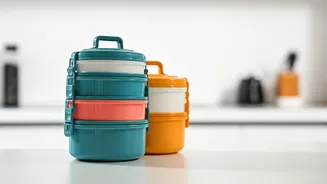
Stainless steel is another excellent non-toxic option that is both durable and lightweight, making it a great choice for lunchboxes and travel. Like glass, it's non-reactive and won't impart any flavours or chemicals into your food. High-quality, food-grade stainless steel (look for types like 304 or 18/8) is rust-resistant and built to last, making it an eco-friendly investment. The primary limitations of stainless steel are that you can't use it in the microwave, and you can't see the contents inside, which can make organizing your fridge a bit more challenging.
Flexible & Functional: Food-Grade Silicone
Silicone has emerged as a popular, flexible alternative to plastic. Made from silica (sand), food-grade silicone is free from BPA and phthalates and can handle a wide range of temperatures, making it safe for the freezer, oven, microwave, and dishwasher. It's lightweight and less prone to breaking than glass. However, it's crucial to ensure you're using high-quality, 100% food-grade silicone, as some cheaper products may contain fillers that compromise safety. While generally considered safe, some users note it can occasionally absorb strong odours or tastes from soap or certain foods.
The Safer Container Checklist
Ready to make the switch? Here’s a quick-glance guide to help you choose the right container for the job.
• For home storage, reheating, and baking: Glass is your best bet for its purity and versatility.
• For kids’ lunches and on-the-go meals: Stainless steel is the winner for its durability and light weight.
• For flexible storage and freezing: High-quality silicone bags and containers are excellent for saving space and handling temperature extremes.
• If you must use plastic: Opt for BPA-free versions and use them only for cold or dry storage. Never microwave food in any plastic container, as heat increases the likelihood of chemical leaching.