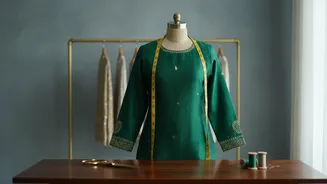







Step 1: The Wardrobe Audit
Before any cleaning or mending, the first step is a thorough audit. Pull out all your festive and occasion wear—heavy sarees, lehengas, Anarkalis, sherwanis, and kurtas. Lay them out and assess each piece. Ask yourself what you love, what still fits,
and what might just need a little attention to feel fresh again. This is not about what’s trendy, but what makes you feel good. Create three piles: ‘Ready to Wear,’ ‘Needs Care,’ and ‘Restyle or Donate.’ This initial sort will bring order to the chaos and give you a clear action plan. It also helps you see what you truly own, preventing duplicate purchases and encouraging you to appreciate your collection.
Step 2: A Guide to Gentle Cleaning
Festive garments are often made from delicate and precious materials that require specific care. For heavily embroidered pieces, or fabrics like Banarasi brocade with metallic zari threads, dry cleaning is always the safest option to prevent damage. For other silks, like Mysore or Tussar, a gentle hand wash at home is possible. Use cold water and a few drops of a mild, pH-neutral detergent or even baby shampoo. Swish the garment gently for no more than a minute, never scrubbing or wringing it. To dry, roll the item in a clean towel to absorb excess water, then lay it flat or hang it on a padded hanger in the shade. Direct sunlight can cause irreversible colour fading and weaken delicate fibres. For cottons, a cold machine wash on a gentle cycle is usually fine, but wash them inside out to protect any prints.
Step 3: The Art of the Simple Mend
A loose button, a frayed hem, or a small tear can sideline an otherwise perfect outfit. Many of these fixes are surprisingly simple and don't require professional tailoring. For a fallen hem, fabric glue or iron-on hem tape can provide a quick, no-sew solution that holds up well. Small holes in cotton kurtas can be easily fixed with a needle and a matching thread using a simple running stitch. For more visible mending, you can even turn it into a design feature by using contrasting thread or adding a small, decorative patch. The goal is to make the garment wearable and loved again, celebrating its history rather than hiding its flaws. Taking a few minutes to mend these small imperfections can breathe new life into a garment.
Step 4: Smart and Safe Storage
Proper storage is crucial for making your clothes last. The biggest mistake is using plastic covers, which trap moisture and can lead to mildew and tarnishing of zari work. Instead, wrap heavy sarees and lehengas in breathable muslin or cotton cloth. It’s best to store these heavy, embellished pieces flat rather than hanging them, as their own weight can cause them to stretch and distort over time. To combat humidity, especially during monsoon season, place silica gel packets in your cupboards, and air out your garments every few months to keep them fresh. Refolding them along different lines periodically prevents creases from becoming permanent tears.
Step 5: Rediscover, Restyle, and Repeat
Maintenance isn’t just about preservation; it’s about unlocking new possibilities. Once your clothes are clean and repaired, it’s time to play. This is the most creative part of the process. That heavy lehenga skirt can be paired with a simple linen top or a crisp white shirt for a modern, fusion look. A single festive kurti can create multiple outfits when paired with jeans, palazzos, or a different dupatta. Don't be afraid to mix and match. An old Banarasi saree can be upcycled into a chic jacket or a set of cushion covers. By approaching your existing wardrobe with fresh eyes, you can create unique, personal, and sustainable festive looks without buying anything new.