
Visby: The Walled City of Ruins and Roses
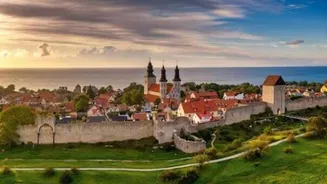
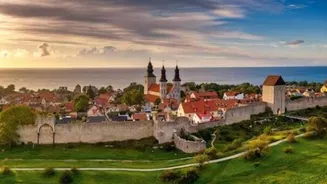
Located on the island of Gotland, Visby is arguably Scandinavia's best-preserved medieval town and a UNESCO World Heritage site. Its most defining feature is the 'Ringmuren', a 3.4-kilometre stone wall punctuated by dramatic towers that has encircled
the city since the 13th century. Built during Visby's heyday as a powerful Hanseatic League trading hub, the wall protected it from foreign enemies and even local rivals. Inside, a labyrinth of cobblestone streets winds past over 200 preserved medieval buildings and the romantic, soaring arches of a dozen church ruins, which stand roofless against the sky. In the summer, climbing roses adorn many of the structures, earning Visby the nickname 'the city of ruins and roses'. The contrast between the ancient stone, colourful flowers, and the vast expanse of the Baltic Sea creates a truly unforgettable scene.
Ystad: Half-Timbered Houses and Coastal Charm
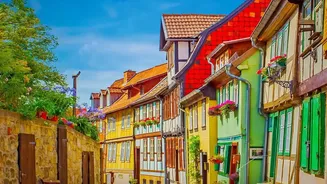
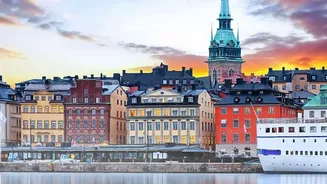
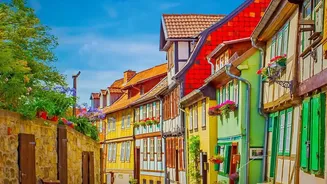
On Sweden's southern coast lies Ystad, a picturesque town that feels like stepping into a storybook. It's renowned for its hundreds of well-preserved half-timbered houses, with their pastel-coloured facades leaning over cobblestone streets often decorated with roses. The medieval street plan remains largely intact, inviting visitors to wander through narrow lanes and discover charming courtyards like Per Helsas Gård. Key historical sites include the 13th-century Franciscan monastery and St. Mary's Church (Sankta Maria Kyrka), which anchors the main square, Stortorget. Modern pop culture has also left its mark; fans of Henning Mankell's crime novels will recognize the town as the home of detective Kurt Wallander, and can even take tours of the famous locations from the books. Combining its rich architectural heritage with 40 kilometres of nearby sandy beaches, Ystad offers a perfect blend of history and seaside relaxation.
Marstrand: A Fortress Island with Maritime History
To the north of Gothenburg on Sweden's west coast, the island of Marstrand is a historic sailing capital dominated by the formidable Carlsten Fortress. King Carl X Gustav ordered the fortress built in 1658 to protect the newly acquired territory and its valuable ice-free harbour. For nearly two centuries, the hard labour of constructing the fortress was a punishment for criminals from across Sweden, known as 'Marstrand labour'. Below the fortress, a charming wooden town cascades down the rocky slopes to the bustling harbour. The blend of military history, the lively maritime atmosphere, and the rugged coastal scenery gives Marstrand a unique character. Today, visitors can explore the fortress, wander through the old town's streets, and enjoy the island's reputation as one of Sweden's premier sailing destinations.
Sigtuna: Sweden's Oldest Town on Lake Mälaren
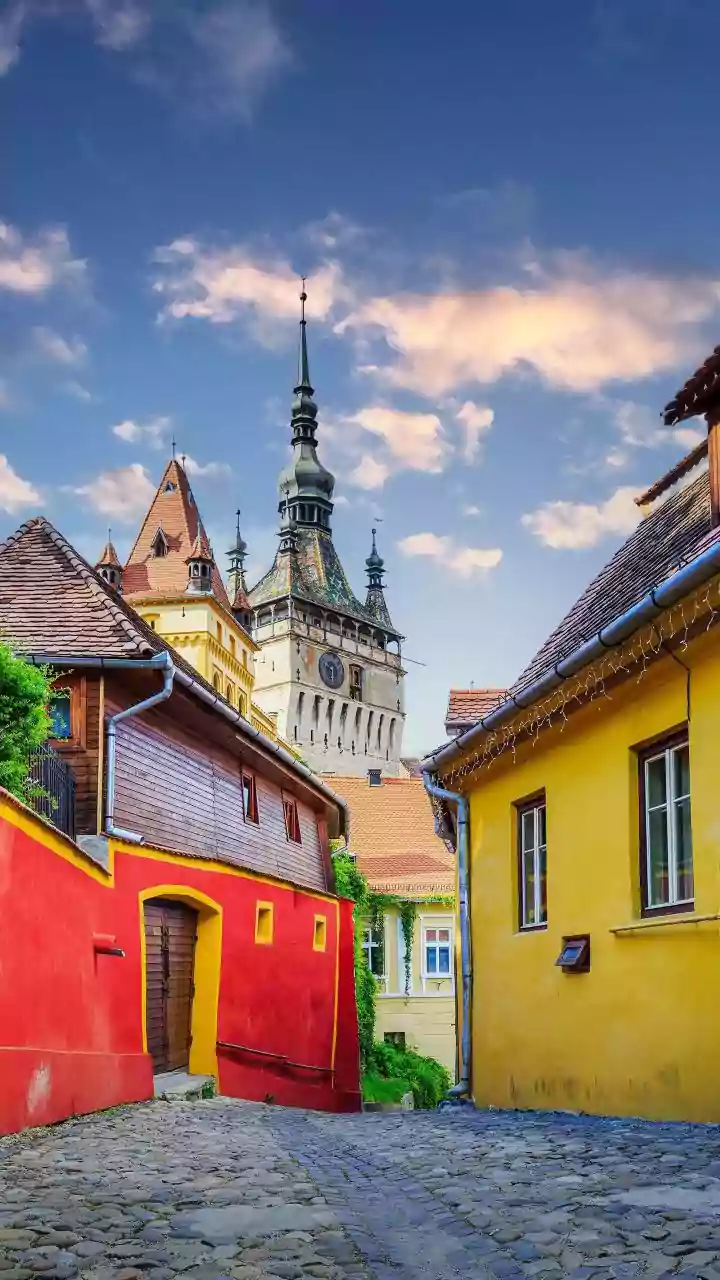
Though technically on the shores of Lake Mälaren, Sigtuna’s historic connection to the Baltic Sea makes it a vital part of Sweden's waterside heritage. Founded around 980 AD by a Viking king, it is considered Sweden's very first town. This was the country's political and commercial centre for centuries, and it's where the first Swedish coins were minted. Sigtuna is a treasure trove for history enthusiasts, boasting more runestones than any other town in the world, many still in their original locations. Its main street, Stora Gatan, retains its original 1,000-year-old layout, lined with colourful wooden houses, small shops, and cafes. Ruins of early stone churches dot the landscape, telling the story of the transition from Norse paganism to Christianity. Sigtuna's tranquil lakeside setting and immense historical weight offer a peaceful yet profound journey into Sweden's origins.