







A New Rocket on the Launchpad
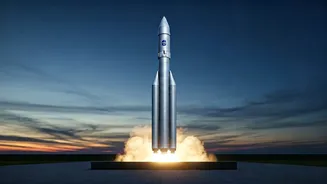
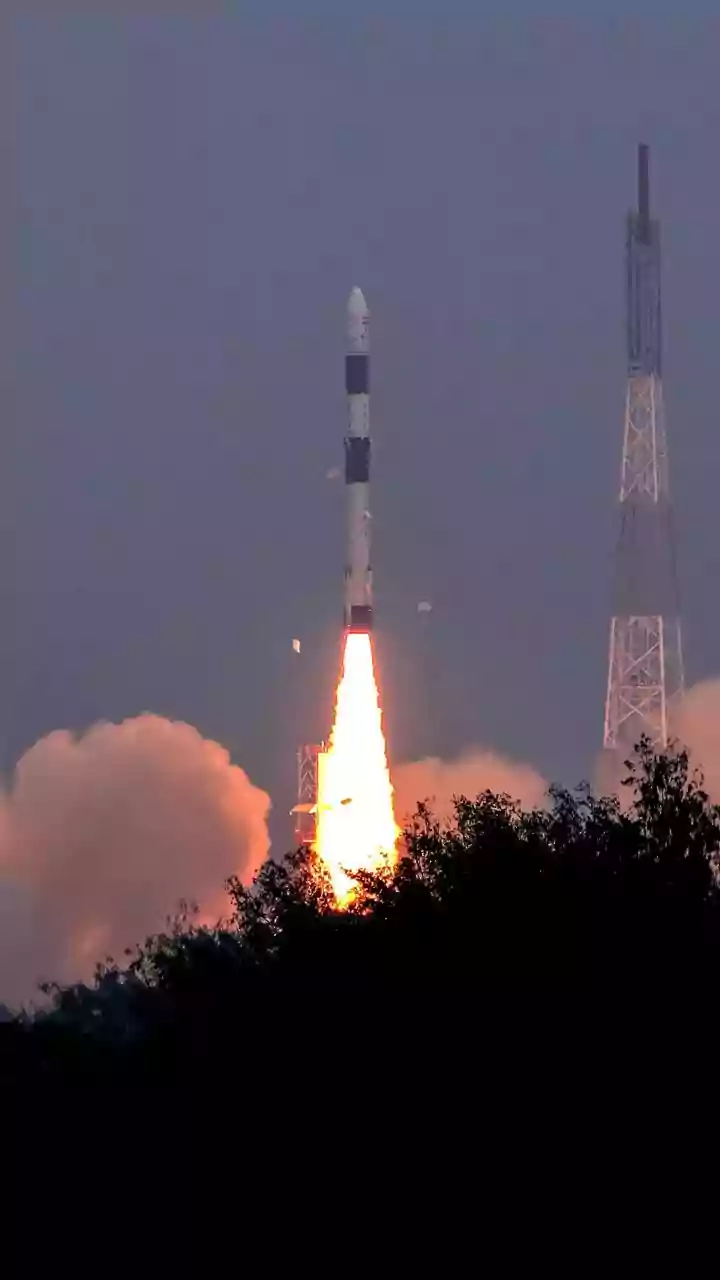
The Vikram-1 is the flagship creation of Skyroot Aerospace, a startup founded in Hyderabad by former ISRO scientists. This seven-storey, multi-stage vehicle is India's first privately developed orbital-class rocket, designed to deploy small satellites
weighing up to 350 kg into low-Earth orbit. Following the successful sub-orbital flight of its predecessor, Vikram-S, in 2022, the upcoming 'Mission Aagaman' (meaning 'arrival') for Vikram-1 is a pivotal moment. The launch window is set from mid-July to early August 2026 from the Satish Dhawan Space Centre in Sriharikota. A successful mission would not only validate Skyroot's technology, which includes an all-carbon composite structure and 3D-printed engines, but also mark India's entry into the exclusive club of nations with private orbital launch capabilities.
The Local Connection Powering the Ascent
This mission is a significant 'boost' for Hyderabad because it is deeply rooted in the city's industrial ecosystem. Skyroot itself is a testament to the local talent pool, but the network runs deeper. For instance, another Hyderabad-based stalwart, Ananth Technologies, has been a key partner, contributing critical flight hardware and avionics systems for various Indian space missions. Ananth Technologies, which has been supporting ISRO for over three decades, manufactures essential components like power modules, data acquisition units, and control electronics at its local facilities. This synergy between a new-age startup like Skyroot and an established player like Ananth Tech showcases a mature and collaborative local supply chain, proving that complex systems like rockets can be built end-to-end within the region.
An Ecosystem Decades in the Making
Skyroot's rise did not happen in a vacuum. Hyderabad has long been a strategic centre for India's defence and aerospace sectors. The city is home to a high concentration of Defence Research and Development Organisation (DRDO) labs, along with major public sector units like Bharat Dynamics Ltd (BDL) and Hindustan Aeronautics Ltd (HAL). This established infrastructure has cultivated a skilled workforce and a network of over 1,000 small and medium-sized enterprises (MSMEs) in the aerospace and defence supply chain. Global giants like Boeing, Lockheed Martin, and Safran have also set up significant operations, attracted by the city's cost-effective and high-skill environment. The government's proactive industrial policies, including dedicated aerospace parks, have further cemented the city's position as a premier destination for aerospace manufacturing and innovation.
The Path to Orbit and Economic Growth
A successful Vikram-1 launch will have far-reaching implications beyond the launchpad. It will serve as a powerful proof-of-concept, attracting further investment into Hyderabad's burgeoning space-tech sector. India's space economy, currently valued at around $8 billion, is projected to grow to $44 billion by 2033, and Hyderabad is positioning itself to capture a significant share of this growth. For Skyroot, the goal is to establish a reliable, high-cadence commercial launch program. For Hyderabad, it means the creation of more high-skilled jobs, the growth of ancillary industries, and the solidification of its brand as 'Space City'. The Vikram-1 mission is more than a technical demonstration; it's a commercial and economic launch vehicle for the entire region's ambitions.