







Transaction Limits & Costs
For high-value payments, limits are a primary concern. The standard UPI transaction limit is ₹1 lakh per day, though this can be higher for specific categories like healthcare and education payments. Individual banks may also set their own lower limits.
Credit cards, on the other hand, are limited only by your approved credit line, which is typically much higher than the daily UPI cap, making them more suitable for very large purchases. From a cost perspective, recent changes have introduced a Merchant Discount Rate (MDR) of 0.4% on certain UPI merchant payments over ₹2,000, capped at ₹300 per transaction. While consumers don't pay this fee directly, it's a factor for the ecosystem. Credit card MDRs are generally higher for merchants, ranging from 1.5% to 2.5%, but this cost funds the benefits that cardholders enjoy.
Rewards, Perks, and Buy-Now-Pay-Later
This is where credit cards have a distinct advantage. Issuers build elaborate reward ecosystems, offering points, cashback, air miles, and exclusive discounts that can provide significant value on large spends. For a major purchase like a new appliance or a holiday booking, the rewards earned can be substantial. Furthermore, credit cards offer an interest-free credit period of up to 45-50 days, giving you time to manage your cash flow. They also provide the option to convert large purchases into manageable Equated Monthly Instalments (EMIs). Standard UPI payments, linked directly to your bank account, offer instant debit but generally lack these built-in reward and credit features unless it's a promotional offer from a specific app.
Security and Dispute Resolution
When significant money is involved, security is paramount. Credit cards offer a robust layer of protection. Since you are spending the bank's money (credit), you have a strong ally in case of fraud or disputes. The chargeback mechanism on credit cards is a well-established process that allows you to dispute a transaction if goods are not delivered or services are not as described. Getting your money back is often more straightforward. UPI transactions, being instant bank-to-bank transfers, are more like paying with cash. While NPCI has introduced a chargeback mechanism for UPI, the process can be different and is often focused on technical failures or unauthorised transactions rather than merchant disputes over quality. For a consumer, disputing a credit card transaction is generally a more powerful tool.
Building Your Financial Profile
A crucial, often-overlooked aspect of financial management is building a credit history. Every time you use a credit card and pay the bill on time, you are demonstrating responsible financial behaviour. This builds a positive credit score, which is essential for securing future loans for a car, home, or business on favourable terms. UPI transactions, as they are direct debits from your bank account, do not contribute to building your credit history. For those looking to establish or improve their creditworthiness, routing significant, planned purchases through a credit card and ensuring timely repayment is a strategic financial move.
The Hybrid Option: UPI on Credit Cards
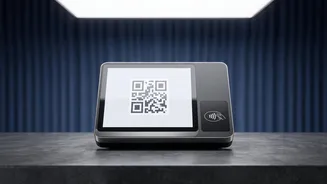
The payment landscape is evolving, and the line between UPI and credit cards is blurring with the advent of RuPay credit cards linked to UPI. This feature allows you to scan a merchant's QR code and pay using your credit card's limit through the UPI interface, combining the convenience of UPI with the benefits of a credit cycle. However, it's important to note the specifics. Transaction limits still apply, often capped at ₹1 lakh per day after an initial 24-hour period with a lower limit. Also, the rewards offered on UPI-based credit card transactions may differ from, and sometimes be lower than, those for traditional card swipes.