







The Hidden Dangers of Your Office Chair
Our bodies were designed to move, but modern work life often forces us into a state of prolonged stillness. Research has starkly linked excessive sitting to a cluster of health problems collectively known as metabolic syndrome. This includes high blood
pressure, elevated blood sugar, excess body fat around the waist, and abnormal cholesterol levels. Studies show that sitting for long periods slows the metabolism, which affects the body's ability to regulate these factors. It’s not just about weight gain; a sedentary workday increases the risk for serious conditions like type 2 diabetes, heart disease, certain types of cancer, and even premature death. In fact, some research suggests that sitting for more than eight hours a day with no physical activity carries a risk of dying similar to that posed by obesity and smoking. Even if you exercise regularly, long periods of uninterrupted sitting can still undermine your health.
Beyond the Standing Desk
The immediate solution that often comes to mind is the standing desk. While they are a great tool for changing your posture, they aren't a complete cure-all and may not be practical for everyone’s budget or office setup. The real goal isn’t to stand all day, but to create a dynamic workday that involves a healthy mix of sitting, standing, and moving. The key is to interrupt long periods of sitting. Experts suggest breaking up your sitting time every 30 to 60 minutes. Even a one-minute break to stand up and stretch can make a significant difference in your waistline circumference and triglyceride levels. Alternatives like desk converters, which sit on top of your existing desk, can provide the flexibility to switch between sitting and standing without a complete furniture overhaul. Wobble stools and perching chairs also encourage 'active sitting', engaging your core muscles and promoting subtle movement.
Micro-Habits for Maximum Impact
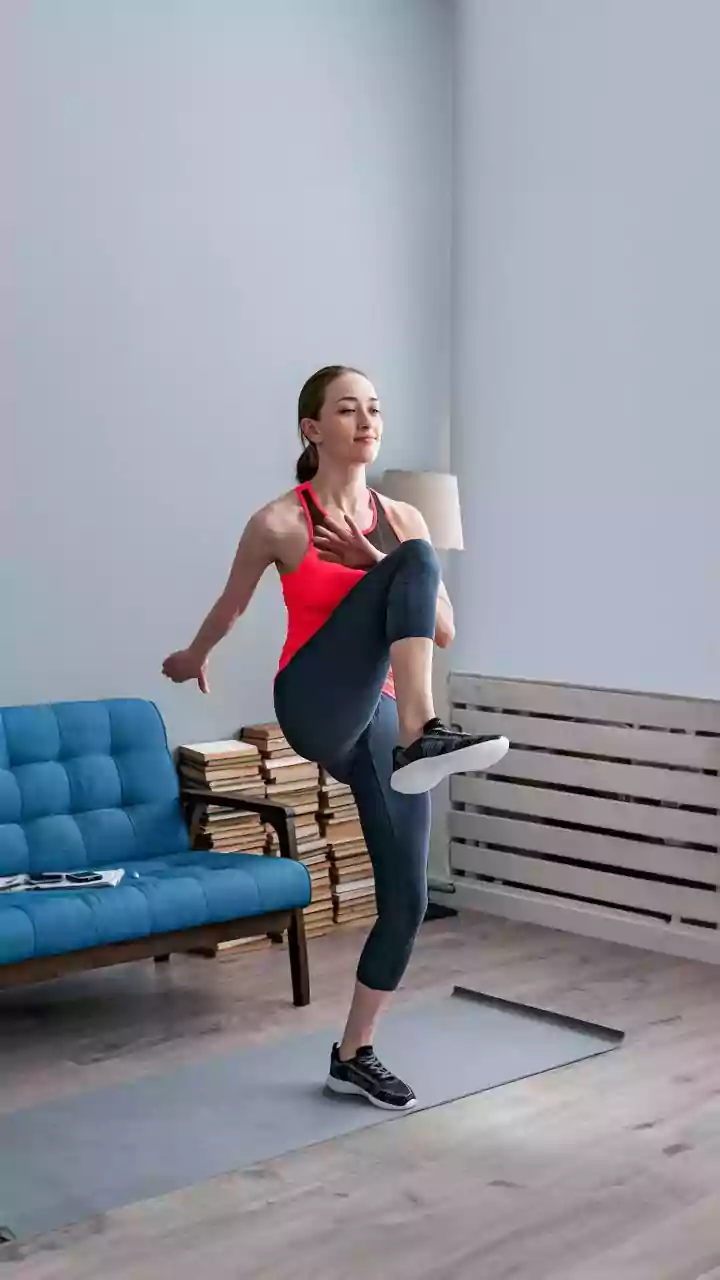
Integrating more movement into your day doesn’t require major disruptions. It's about building small, sustainable habits. One popular method is to associate movement with routine tasks. For example, make it a rule to stand up every time you take or make a phone call. Using a headset can free you up to pace around your room. Set a timer to remind yourself to get up and stretch every hour. A simple five-minute walk can restore motivation and boost productivity. You can also try 'deskercising' with simple movements like chair squats, calf raises, or tricep dips using the arms of your chair. Even simple stretches for your neck, shoulders, and back can alleviate stiffness and get your blood flowing again.
Re-Engineer Your Environment
Your workspace can either encourage or discourage movement. Make small, strategic changes to your environment to nudge yourself into being more active. Place your printer, scanner, or wastebasket further away from your desk, forcing you to get up to use them. Instead of keeping a large water bottle at your desk, walk to the water cooler or pantry for refills; this doubles as a hydration reminder and a movement break. If you're working from home, take advantage of the privacy to incorporate more dynamic activities. An under-desk treadmill or elliptical allows you to walk slowly while answering emails or listening to meetings. Taking the stairs instead of the elevator is a classic for a reason – it's a simple way to add bursts of higher-intensity activity into your day.
Making Movement a Team Culture
Individual efforts are great, but a supportive workplace culture can make sitting less the default for everyone. Propose walking meetings for small group discussions or brainstorming sessions; a change of scenery can often spark creativity. If a walking meeting isn't practical, simply holding a standing meeting can increase engagement and often keeps the session more focused and brief. Encourage team-wide stretch breaks. Scheduling a five-minute group stretch in the mid-morning or afternoon can help combat collective energy slumps. When movement is embedded into the company culture, it becomes a shared, positive habit rather than an individual struggle, improving morale, well-being, and overall productivity.