







Embrace Removable Sofa Covers
Your sofa is the heart of your living room, but during the monsoon, it can become a hotspot for dampness and fungal growth. Instead of worrying about every spill or the faint musty smell that creeps in, switch to removable and washable sofa covers. These
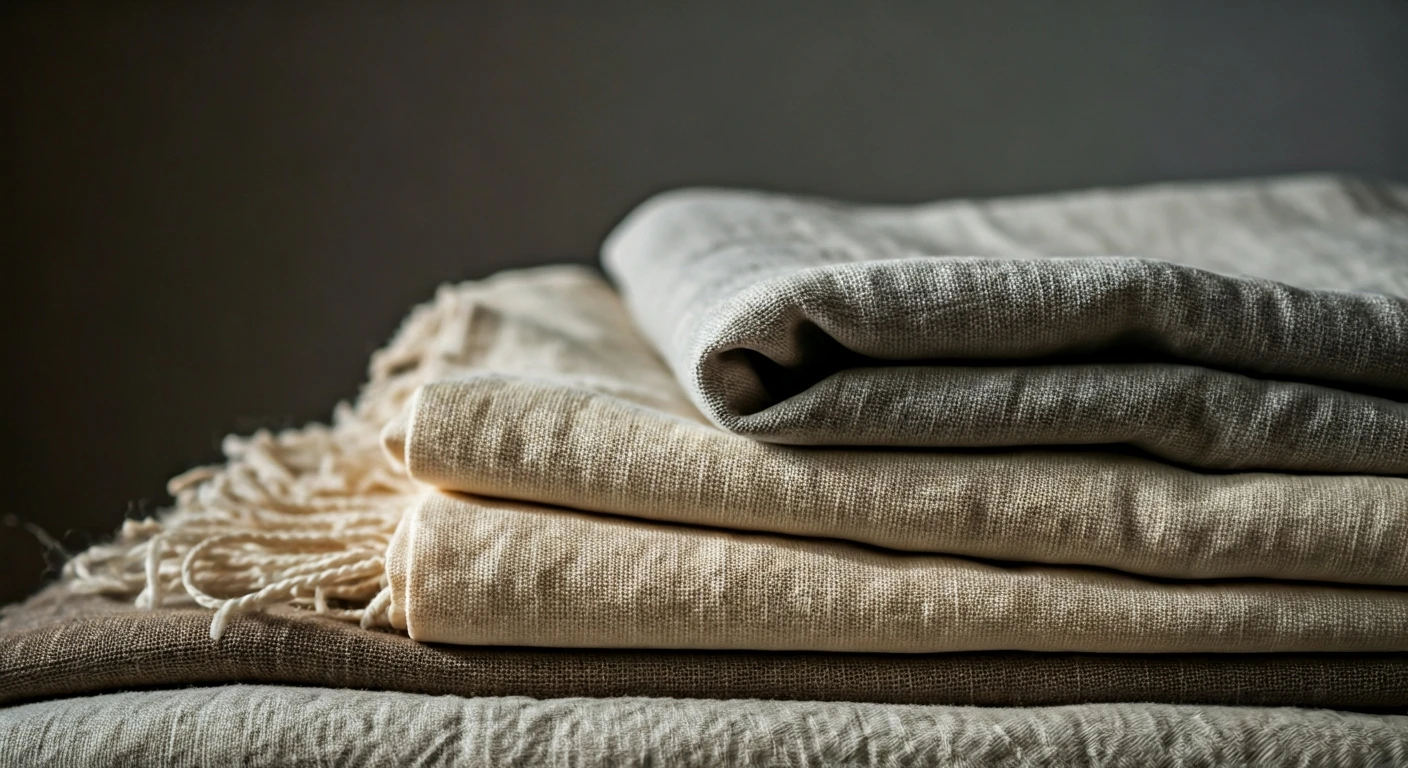
slipcovers are a game-changer, allowing you to maintain a fresh and hygienic seating area with minimal effort. Opt for fabrics like cotton, linen, or polyester blends that are not only easy to wash but also dry relatively quickly in humid conditions. A spare set of covers can be a lifesaver, ensuring your sofa is never out of commission while one set is in the wash. This simple swap protects your expensive furniture and allows you to experiment with new colours and patterns to brighten up gloomy, overcast days.
Swap Heavy Drapes for Light Curtains
Thick, heavy curtains are notorious for trapping moisture during the monsoon, taking ages to dry and often developing a distinct mildew smell. They also block precious natural light on already dark days. The solution is to trade them for lightweight, airy alternatives. Sheer or semi-sheer curtains made from cotton or linen are ideal choices. These fabrics are breathable, allow for better air circulation, and dry quickly, which is crucial for preventing mould. Washing them becomes a simple task rather than a seasonal project. If you wash your curtains every 3-4 weeks during the monsoon, you can effectively prevent the build-up of musty odours and keep your rooms feeling bright and fresh.
Rethink Flooring with Washable Rugs
Carpets and heavy rugs can be a nightmare in the rainy season, absorbing moisture from the air and dirt from footwear, making them difficult to clean and dry. Many homeowners choose to roll them up and store them away, but this can leave a room feeling bare. A better alternative is to use smaller, washable rugs or dhurries. Cotton rugs, in particular, are an excellent choice as they are lightweight and can be thrown into the washing machine. Placing washable runners and mats at entryways can also drastically reduce the amount of mud and water tracked through the house. Look for rugs with anti-skid backing for safety on potentially slippery floors. This approach keeps your floors cosy and decorated without the seasonal stress of deep cleaning or potential water damage.
Don’t Forget Cushions, Throws, and Bedding
Smaller soft furnishings like cushions and throws add layers of comfort and style, but they are just as susceptible to monsoon dampness. The key is to choose items with removable, washable covers. Materials like cotton, linen blends, and even some microfibers are great choices as they are easy to clean and maintain. This same logic applies to your bedding. Swap heavy quilts for lighter, quick-drying options like cotton waffle blankets or dohars. During the monsoon, it's wise to wash bed linens more frequently—every 5-7 days—to prevent the accumulation of moisture and the growth of mould or bacteria that thrive in humidity.
The Ultimate Hack: Proper Washing and Drying
Having washable furnishings is only half the battle; knowing how to care for them during the monsoon is the other. Given the high humidity, clothes and fabrics take much longer to dry. Whenever possible, make use of any sunny intervals for outdoor drying. For indoor drying, ensure the room is well-ventilated and use a fan to speed up the process. Once fabrics are completely dry, ironing them can remove any lingering moisture and leave them feeling crisp and fresh. For an extra anti-fungal boost, consider adding half a cup of white vinegar to the rinse cycle when washing items like bedsheets and towels. Never store textiles, even if they feel slightly damp, as this is a direct invitation for mildew.