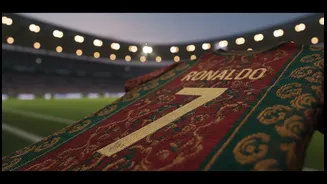

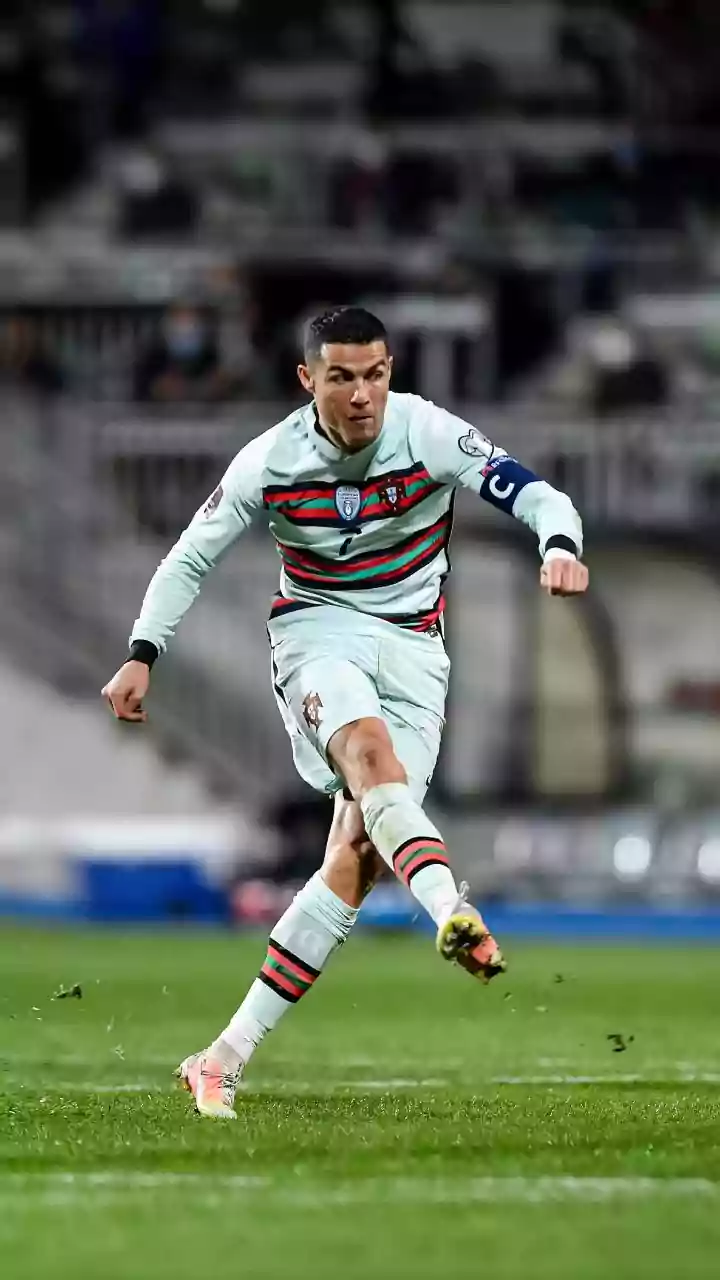



An Unprecedented Feat
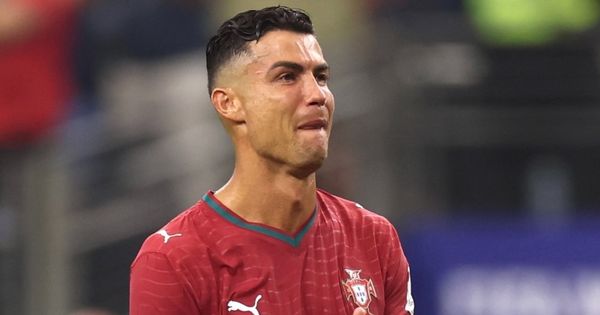
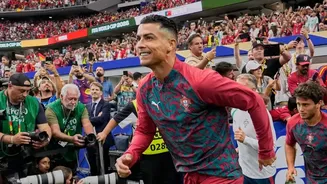
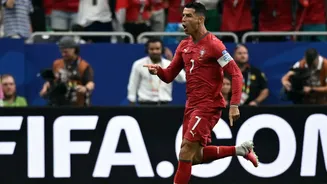
The sheer numbers are staggering. Born in February 1985, Cristiano Ronaldo would be 45 years old when the 2030 World Cup kicks off. To put that into perspective, the oldest player ever to feature in a World Cup was Egyptian goalkeeper Essam El-Hadary,
who played in 2018 at 45 years and 161 days old. For an outfield player, whose physical demands are exponentially higher, this is almost uncharted territory. The oldest outfield player was Cameroon’s Roger Milla, who was 42 in 1994. The fact that a serious conversation is happening about Ronaldo competing at 45 is a testament to his extraordinary physical condition and defiance of conventional athletic ageing.
The Ultimate Home Advantage
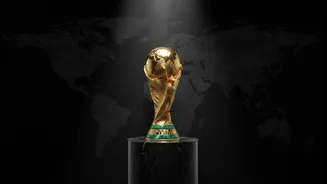
A powerful narrative is driving the speculation: Portugal is co-hosting the 2030 tournament along with Spain and Morocco. The allure of captaining his nation on home soil for the ultimate farewell is a compelling motivator. After the hosts were confirmed, Ronaldo himself posted on social media calling it “The Most Special World Cup ever” and a “dream come true.” While many assumed he was speaking as a proud citizen, the possibility of playing has not been dismissed by his camp. The emotional pull of representing Portugal in Lisbon or Porto could provide the unique motivation needed to extend his international career beyond all reasonable expectations.
A Monument to Discipline
If any athlete could achieve this, it’s Ronaldo. His career has been built on a foundation of relentless discipline, meticulous nutrition, and a scientific approach to recovery. Teammates and coaches have long spoken of his obsessive dedication to maintaining his body. His diet is famously strict, focusing on lean proteins like fish, and avoiding sugary foods. Furthermore, his recovery methods are state-of-the-art, incorporating everything from cryotherapy to specialised sleep patterns to maintain peak physical condition. This has reportedly given him a biological age far younger than his chronological one, which is the cornerstone of why a 2030 appearance remains in the realm of possibility.
What He and His Coach Have Said
The idea is not just fan speculation; it has been fuelled by comments from Ronaldo and his national team coach, Roberto Martinez. In recent months, Martinez has publicly stated that Ronaldo has “earned the right” to be in the conversation for 2030 and that he “will fight for it.” Ronaldo himself has been more coy but has not shut the door. In June 2026, he was quoted as saying he has “not completely written off” playing in the 2030 World Cup, adding that the decision will depend on his physical condition and performance level over the next few years. While he is currently focused on the present, the fact that he is entertaining the question keeps the dream alive.
A New Role to Play?
Should he make it to 2030, Ronaldo’s role would almost certainly have to evolve. He would no longer be the explosive winger or the primary goalscorer leading the line for 90 minutes every match. Instead, he could transition into a role as an elder statesman—a veteran leader whose experience is deployed strategically. He could be a super-sub, a locker-room mentor, or a specialist for crucial moments like penalty shootouts. His presence alone would be a huge psychological boost for the squad and the nation. This evolution from superstar to sage would be a fascinating final chapter, offering a different kind of value to the team while still allowing him to be part of the historic home tournament.