
A Tale of Two Monsoons
When the southwest monsoon sweeps across India from June to September, it drenches most of the subcontinent. Along the western coast, Goa receives heavy rainfall, transforming it into a green, tranquil paradise. But far to the north, nestled behind the towering
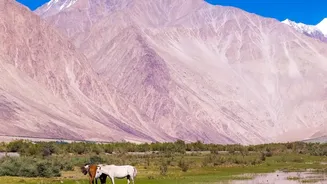
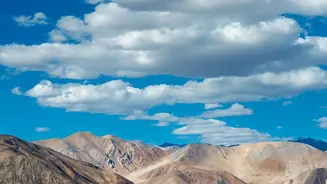
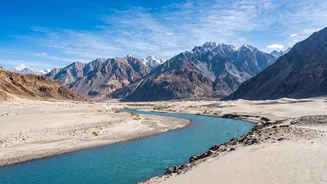
Himalayas, Ladakh remains almost entirely dry. This high-altitude desert lies in a rain shadow zone; the mountains block the moisture-laden clouds, resulting in clear, sunny skies while the rest of the country is under cloud cover. This fundamental climatic difference creates two vastly different holiday destinations during the very same months, one defined by rain-washed serenity and the other by high-altitude adventure.
Goa: Green, Quiet, and Romantic
Monsoon is Goa's off-season, and that is precisely its charm. The usual crowds disappear, flight and hotel prices drop, and a sense of peace descends upon the state. The landscape, fed by the rains, becomes incredibly lush and vibrant. This isn't the season for sunbathing or swimming in the rough seas, which are often red-flagged for safety. Instead, it’s a time for exploring a different side of Goa. The main attractions shift inland to thundering waterfalls like Dudhsagar, which are at their most spectacular. Spice plantations near Ponda are intensely fragrant, and exploring the rain-washed lanes of Fontainhas, Panjim's Latin Quarter, feels like stepping into another era. The vibe is introspective and romantic, perfect for couples or anyone seeking a quiet retreat. It’s a time for long drives through misty hills, enjoying fresh seafood at a quiet riverside cafe, and celebrating unique local festivals like São João in June.
Ladakh: Sunny, Accessible, and Adventurous
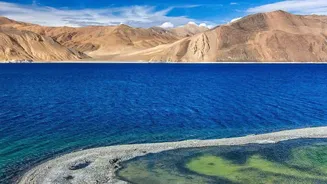
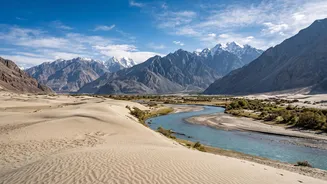
While Goa slows down, Ladakh comes into its prime. The period from June to September is peak season here for a reason. With the monsoon blocked, Ladakh enjoys pleasant daytime temperatures, minimal rainfall, and clear blue skies, making it ideal for outdoor activities. All the high mountain passes, including Khardung La and Chang La, are reliably open, providing access to the stunning Nubra Valley and the breathtakingly blue Pangong Lake. This is the perfect window for road trips, whether on a motorcycle or by car, with dramatic landscapes unfolding at every turn. Adventure seekers can indulge in trekking, river rafting on the Zanskar and Indus rivers, and mountain biking. The season is also packed with vibrant cultural events, such as the famous Hemis Tsechu festival in June or July and the Ladakh Festival in September, where you can witness traditional masked dances and polo matches.
Activities: Serenity vs. Thrills
Your choice between Goa and Ladakh during the monsoon boils down to the kind of activities you crave. In Goa, the focus is on appreciating nature's rejuvenation. Think waterfall treks, visiting spice farms, exploring heritage sites without the crowds, and indulging in wellness retreats. River rafting on the Mhadei River is a popular adventure sport that is exclusively available during the monsoon. It's a holiday for slowing down. Ladakh, in contrast, is about expansive adventure and exploration. The reliable weather opens up a world of high-altitude thrills. You can ride a double-humped Bactrian camel in Nubra Valley, camp under star-filled skies, and visit remote monasteries that seem to cling to mountainsides. The experience is active, expansive, and geared towards maximising your time outdoors under the sun.
The Vibe: Introspective vs. Expansive
Ultimately, the atmosphere in each place is a world apart. Monsoon in Goa encourages you to look inward. It’s about the joy of watching rain from a beautiful veranda, reading a book in a quiet cafe, and connecting with a slower, more authentic local culture. The colour palette is deep green, the air is thick with the petrichor, and the sounds are of raindrops and roaring waterfalls. Ladakh offers the opposite: a feeling of boundless freedom. The sheer scale of the mountains, the vast, empty roads, and the endless sky create a sense of expansiveness. The air is thin and crisp, the light is sharp, and the vibe is one of energy and exploration. It’s a journey that makes you feel small in the face of nature’s grandeur, yet empowered by the adventure of it all.