





From Flowers to Food
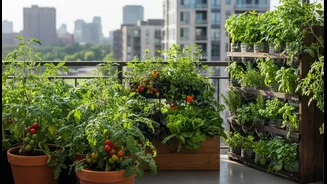
The most significant shift in balcony usage is the move towards edible gardening. What was once the domain of ornamental flowers is now becoming a miniature farm. Urban residents are discovering the satisfaction of growing their own food, even in limited
spaces. Instead of just petunias, you’re now more likely to see pots of ripe tomatoes, fresh spinach, and fragrant herbs like mint and coriander. This trend is driven by a desire for fresh, pesticide-free produce and the joy of harvesting ingredients right outside the kitchen door. For many, it’s a practical way to supplement groceries with hyper-local, nutritious options, ensuring a higher intake of essential vitamins and minerals.
Your Edible Oasis: Getting Started
Starting a balcony kitchen garden in India is surprisingly simple. The key is to choose the right plants for your climate and space. Easy-to-grow vegetables for beginners include tomatoes (especially cherry varieties), green chillies, spinach (palak), fenugreek (methi), and coriander (dhania). These plants do well in containers and require minimal maintenance. Herbs are particularly rewarding, as they are expensive to buy but easy to grow. Most vegetables and herbs need about 4-6 hours of sunlight daily, so observing your balcony's sun exposure is a crucial first step. A south or west-facing balcony is often ideal for sun-loving plants.
Maximising Small Spaces
Limited floor area is the biggest challenge in balcony gardening, but modern solutions make it easy to overcome. Vertical gardening is a game-changer, utilising wall space, railings, and even the ceiling. Tiered shelves, wall-mounted racks, railing planters, and hanging baskets allow you to grow more without creating clutter. Using grow bags instead of heavy pots can also be a smart choice, as they are lightweight and can be easily moved or stored. By thinking vertically, even the tiniest balcony can become a lush, green, and productive space.
More Than Just a Meal
The benefits of a functional balcony extend far beyond fresh food. Gardening is a well-known stress reliever, offering a therapeutic escape from the hustle of city life. Tending to plants encourages mindfulness and provides a gentle form of daily physical activity. Furthermore, a green balcony contributes to environmental sustainability. It can help reduce the urban heat island effect, improve local air quality, and lower your carbon footprint by reducing reliance on transported food. Some gardeners even use kitchen scraps to create their own compost, creating a closed-loop, eco-friendly system.
Creating a Functional Retreat
Beyond growing food, balconies are being designed as multi-purpose outdoor rooms. The goal is to create a space for relaxation and daily use, not just plant storage. With clever design, you can incorporate a small seating area, like a compact bistro set or even just some comfortable floor cushions, amidst the greenery. Adding elements like soft outdoor rugs and warm string lights can transform the balcony into a cozy corner perfect for enjoying a morning cup of tea or relaxing in the evening. It becomes an extension of your living space—a private oasis that is both beautiful and incredibly useful.