





The Anatomy of a Monsoon Delay
The reason your package is late is rarely a single issue, but a cascade of related problems. Heavy rainfall leads to waterlogged streets and increased traffic congestion, which can add hours to delivery times. National data has shown that transportation
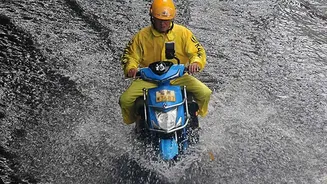
time can increase by as much as 40% in some regions during the monsoon. Beyond the traffic, there are physical risks. Potholes hidden by murky water can damage vehicles, and flooded roads may become completely impassable, forcing delivery agents to find longer, alternative routes. This isn't just an inconvenience; it's a systemic shock that slows down the entire logistics network, from long-haul trucks to last-mile delivery riders.
How Companies Adapt and Prepare
Logistics and e-commerce companies don't simply wait for the skies to clear. They engage in extensive monsoon planning. One of the most critical steps is upgrading packaging to protect goods from moisture; this includes using waterproof materials and shrink-wrapping sensitive items like electronics. Many companies also use advanced technology, such as real-time GPS tracking and AI-powered forecasting, to monitor weather conditions and dynamically reroute vehicles to avoid the worst-hit areas. Some even establish regional micro-warehouses to keep inventory closer to customers, reducing reliance on long-haul transport during severe weather. For delivery partners on the ground, companies often provide raincoats and waterproof bags, and may offer increased incentives or 'rain hardship allowances' to compensate for the difficult conditions.
The Quick Commerce Conundrum
While rain often boosts demand for food and grocery delivery as people stay indoors, it creates a paradox for the platforms that promise 10-minute deliveries. The model relies on speed, but monsoon conditions make speed dangerous. Waterlogged roads and poor visibility significantly increase the risk for delivery riders, who often bear the personal cost of vehicle damage and health issues from being drenched for hours. This has led to a debate about the sustainability of ultra-fast delivery promises during extreme weather. While surge pricing can increase a rider's earnings, many have to weigh the financial benefit against the considerable safety risks.
Tips for a Smoother Monsoon Season
As a consumer, you can't control the weather, but you can adjust your habits to minimise disruptions. The most effective strategy is proactive planning. If you know you'll need certain essentials, try to order them before a major downpour is forecast. When you do place an order, use the tracking features to follow its progress. During periods of heavy rain, a little patience goes a long way; delivery partners face immense challenges, and a single trip can take much longer than usual. If possible, consolidate orders to reduce the number of required trips. Finally, when your package does arrive, remember the journey it took. Many customers who show understanding, or even offer a small tip, can make a difficult day much better for the rider who braved the storm.