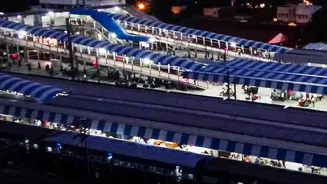




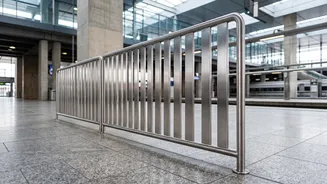
The festive spirit of Diwali often begins with a journey home. But for families, the thought of navigating a crowded railway station can be daunting. With a little planning, you can transform a chaotic rush into a smooth and safe start to your holiday.
Preparation is Everything
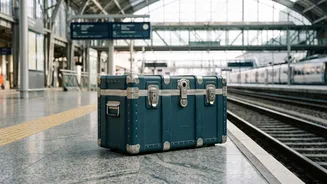
A calm journey starts before you even leave for the station. First, pack light. While it's tempting to carry gifts and essentials for a long holiday, excessive luggage will become a major hurdle in a crowded environment. A good strategy is to have one easily accessible 'station bag' with tickets, IDs, water, snacks, and a sanitiser. Next, digitise your travel. Use your smartphone to store tickets and check your PNR status and coach position before you leave. This saves you from waiting in long queues at the station. For families with children, have a quick chat about a 'buddy system'—assigning one adult to each child to ensure no one gets lost in the crowd. It is also a good idea for a parent's phone number to be written on a child's arm or a wristband as a precaution.
Timing Your Arrival
While it's crucial to avoid a last-minute dash, arriving too early can lead to extended, tiring waits on a packed platform. Railway officials advise passengers to reach the station at least 60-90 minutes before departure. This gives you a comfortable buffer to navigate the crowds, find your platform, and settle down without unnecessary stress. Be aware that during the festive rush, some major stations may restrict the sale of platform tickets to control crowds. For instance, several stations in Delhi, Pune, and Nashik have announced temporary suspensions on platform ticket sales for the Diwali period, with exceptions for those assisting elderly, unwell, or young passengers. This makes it essential for families to travel light enough to manage their own luggage.
Mastering the Platform
Once you're at the station, the platform is your next challenge. The best strategy is to locate your coach's designated stopping point. Most platforms have markers painted on the ground or on signs indicating where coaches like 'S5' or 'B2' will halt. Position your family there a few minutes before the train is scheduled to arrive. This simple step prevents a frantic sprint down the platform with children and luggage when the train stops for only a few minutes. Keep children close and away from the platform edge at all times. If you have a long wait, seek out the Ladies Waiting Room. These are often quieter and cleaner, offering a safe space to feed a baby, use the restroom, or just take a breath away from the main rush.
The Boarding Process: A Step-byStep Plan
The ninety seconds of boarding can be the most stressful part of the journey. A clear plan is non-negotiable. Don't try to have everyone board at once. A proven method is for one adult to board first with the heaviest luggage, securing it under the seats or in the designated space. The second adult can then board with the children, unburdened by bags. This systematic approach is much safer than pushing through the crowd as a group. Remind children to watch their step, as the gap between the platform and the train can be a hazard. Once inside, find your berths, settle the luggage, and only then relax. Avoid letting children stand near the doors while the train is moving.
Onboard and Settling In
With the hardest part over, focus on a comfortable journey. Secure your luggage with a chain and lock if you have one, especially for overnight trips. Be cautious about food and drink. While it's part of the travel experience, it's safer to rely on home packed meals for children or order from trusted IRCTC e catering services. Politely decline food offered by unfamiliar co passengers. Finally, ensure your electronic devices are charged, but be aware that some trains may disable charging ports between 11 PM and 5 AM for safety reasons. Keep the railway helpline number (139) handy for any assistance you might need during your journey.