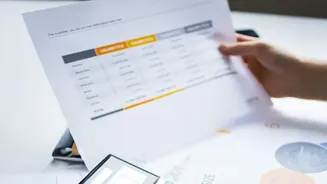







Begin With a Thorough Spending Audit
You can't control what you don't measure. The first step is to get a clear picture of where your money is actually going. Spend an hour reviewing your bank and credit card statements, as well as your UPI payment history, from the last 30 to 60 days. Many
people find that tracking their expenses reveals surprises, like forgotten recurring charges or more frequent-than-realised food delivery orders. Budgeting apps can help automate this process by categorising your spending from SMS alerts and bank statements, giving you a visual overview of your financial habits. Once you have this baseline, you can identify the top three categories where you're spending the most.
Analyse Your Housing and Utility Bills
For most households, housing is the single largest expense. While you may not be able to lower your rent or EMI overnight, you can control your associated utility costs. Electricity bills, for example, can be reduced by switching to LED bulbs, using energy-efficient 5-star rated appliances, and unplugging electronics when they are not in use. Limiting the use of air conditioners is another significant way to save. Also, review your internet and DTH plans. If you're paying for high-speed data or channels you rarely use, consider downgrading to a more suitable and cheaper plan. A quick call to your service provider to inquire about new promotions could also lead to a better deal.
Optimise Your Transportation Expenses
The daily commute and other travel can account for a substantial portion of your monthly budget. With fluctuating fuel prices, it pays to be strategic. Simple habits like maintaining correct tyre pressure and regular vehicle servicing can improve mileage. For daily travel, consider alternatives to driving alone. Carpooling with colleagues or using public transport like the metro or buses, even just a few days a week, can lead to significant savings over time. If your work allows for it, a hybrid work model could also reduce your overall transportation costs.
Get a Handle on Groceries and Food
Food is a major and flexible spending category. The convenience of food delivery apps often comes at a high cost, with platform fees and delivery charges adding up quickly. Limiting orders to weekends or special occasions can free up a surprising amount of cash. A powerful strategy is meal planning. Deciding your meals for the week before you shop helps create a focused grocery list, reducing impulse buys. Shopping at local markets for seasonal produce can also be 30-50% cheaper than buying out-of-season items at supermarkets. Cooking in larger batches not only saves time but also reduces the temptation to order in on busy days.
Cut the Cord on Unused Subscriptions
In the digital age, it's easy to accumulate a host of monthly subscriptions for streaming services, music, fitness apps, and more. These small, recurring payments can create a significant drain on your account, a phenomenon known as 'subscription creep'. Go through your statements and identify all recurring charges. For each one, ask yourself when you last used it. If a service isn't providing value, cancel it. You can always re-subscribe later if you miss it. Also, check for overlapping services—you probably don't need three different video streaming platforms at once. Consider sharing family plans with friends or relatives to split the cost.