






From Ambiguity to Awareness
The single biggest challenge with a new income is figuring out where it all goes. With the rise of UPI and one-click payments, money flows almost invisibly. A coffee here, a subscription there—these small, frequent spends quickly add up, often leading
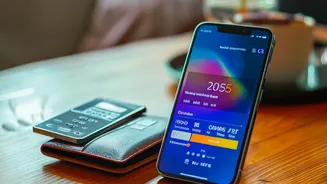
to a sense of guilt or confusion at the end of the month. Financial experts note that this guilt often stems not from the spending itself, but from the ambiguity of not knowing if your financial foundation is secure. Expense tracking apps cut through this fog. By automatically syncing with bank accounts and categorising transactions, they provide a clear, real-time dashboard of one's financial life. This shift from ambiguity to awareness is the first, most crucial step toward financial control. It replaces anxiety with a concrete understanding of spending habits.
Building Habits, Not Just Budgets
For previous generations, budgeting often involved meticulous notes in a diary or complex spreadsheets. Today's apps transform this chore into a seamless, automated process. For a first-time earner, this is crucial. The goal isn't just to track money, but to build healthy financial habits from the very start. Many apps use principles from behavioural science, such as setting spending limits, providing alerts, and offering visual progress reports on savings goals. This 'gamified' approach makes budgeting feel less restrictive and more like a personal challenge. By starting this journey with their first paycheck, young earners are laying a foundation for future financial stability, turning a potentially intimidating task into an empowering routine.
Tackling Financial Anxiety Head-On
Gen Z is reportedly one of the most financially anxious generations, navigating a world of economic uncertainty, rising costs, and social media pressure. In India, surveys show a significant percentage of young people feel financially insecure, with many living paycheck to paycheck. This anxiety is compounded by a constant pressure to save and invest without clear guidance. Expense tracking apps offer a practical antidote. By providing data and insights, they empower users to make informed decisions. Seeing exactly how much is left after essential expenses allows for guilt-free discretionary spending. Apps with features to track subscriptions or set savings goals give users a sense of agency, helping them plan for everything from a weekend trip to a down payment. This proactive management helps reduce the stress that comes from financial uncertainty.
The Power of Small Goals
The dream of buying a house or retiring early can feel distant and overwhelming for someone just starting their career. Expense tracking apps help break down large financial aspirations into manageable steps. The 'envelope' budgeting method, popularised by apps like Goodbudget, allows users to allocate funds to specific virtual envelopes like 'Travel,' 'Gadgets,' or 'Emergency Fund'. Watching these envelopes fill up provides a tangible sense of accomplishment and keeps motivation high. It reframes saving not as a sacrifice, but as a direct path to achieving personal wants. For a generation accustomed to instant gratification, these apps provide a healthy middle ground: a way to plan for the future while still enjoying the present.