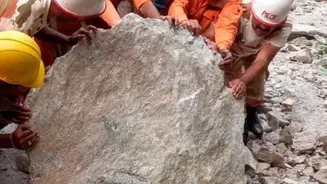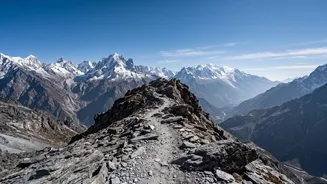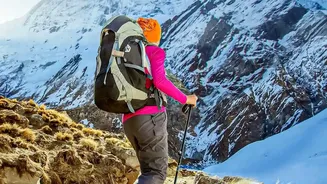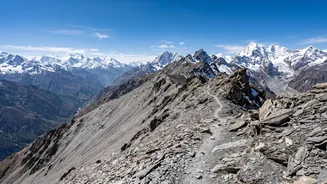





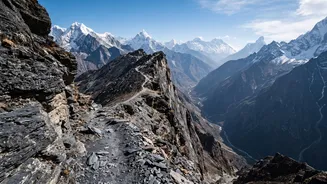
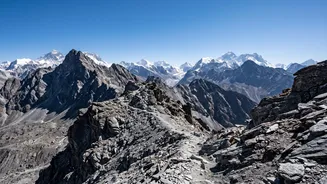
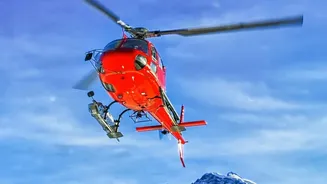
The thrill of the Himalayas can quickly turn into a fight for survival. A recent emergency rescue in Nepal's trekking region is a stark reminder of why the country's strict permit and guide regulations are a critical lifeline, not just red tape.
The Allure and the Altitude
For decades,
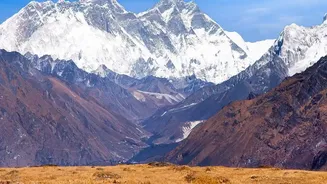
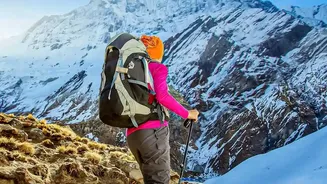
Nepal has been the ultimate destination for trekkers seeking adventure. From the legendary path to Everest Base Camp to the serene circuits around the Annapurnas, the country offers an unparalleled journey into the heart of the world’s highest mountains. But the majestic beauty of the Himalayas carries inherent risks. Every year, stories emerge of trekkers succumbing to altitude sickness, getting lost on confusing trails, or being caught in sudden, unforgiving weather. These incidents are not rare; they are a recurring danger that prompted Nepalese authorities to strengthen the safety net for the thousands who visit, leading to the current system of permits and mandatory guides.
More Than Just Paperwork
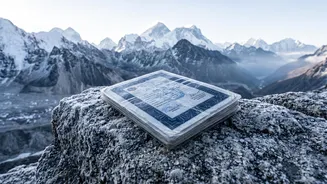
At the heart of Nepal's trekking regulations are two key components: the Trekkers' Information Management System (TIMS) card and various national park or conservation area permits. It is easy to view these as just another tourist tax, but their function is far more critical. The TIMS card is a personal passport for the trails, registering your identity, intended route, and timeline with the Trekking Agencies' Association of Nepal (TAAN) and the Nepal Tourism Board. Along your trek, your card is checked and logged at various checkpoints. This creates a virtual breadcrumb trail. If a trekker fails to check in at the next post, authorities have a clear last-known location, drastically narrowing the search area in an emergency and speeding up potential rescue efforts.
Why You Can't Go It Alone
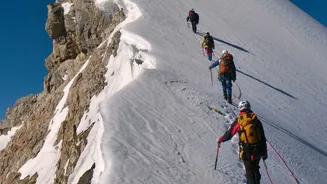
In a significant policy shift in 2023, Nepal made it mandatory for most foreign trekkers to hire a licensed guide, effectively ending the era of widespread solo trekking. While this decision was met with some debate, its rationale is rooted in safety. A licensed guide is more than a navigator; they are a trained first responder. They can spot the early signs of Acute Mountain Sickness (AMS), a potentially fatal condition, and know when to descend. They understand the terrain, can manage logistics, and serve as the crucial communication link to summon help or a helicopter evacuation if the worst happens. In a crisis, a guide's experience and local knowledge are often the difference between a close call and a tragedy. The recent rescue efforts highlight this, as guided groups are far easier to locate and assist.
The System in Action
When a trekker goes missing, the permit system kicks into high gear. Officials use the TIMS database and checkpoint logs to confirm the trekker's route and last point of contact. This information is relayed to rescue teams, porters, and local communities along the trail. Without this registered information, a search and rescue operation becomes a near-impossible task in the vast, rugged terrain of the Himalayas. Furthermore, obtaining a permit often requires proof of adequate travel insurance, specifically a policy that covers high-altitude trekking and emergency helicopter evacuation, which can cost tens of thousands of dollars. The permit process ensures that trekkers are not just registered, but also financially prepared for a potential emergency.
Trekking Responsibly
Planning a trek in Nepal is an exciting prospect, and doing it safely is straightforward if you follow the rules. The first step is to connect with a government-registered trekking agency in Nepal. These agencies are your one stop shop for planning a safe and compliant trip. They will secure a licensed, experienced guide and any necessary porters. They will also handle all the permit paperwork on your behalf, including the TIMS card and restricted area permits, ensuring everything is in order before you even set foot on the trail. Your primary responsibilities are to provide the necessary information, be transparent about your health and fitness level, and secure comprehensive travel insurance. Let the professionals handle the logistics so you can focus on the incredible journey ahead.