




The Numbers Behind the Dry Spell
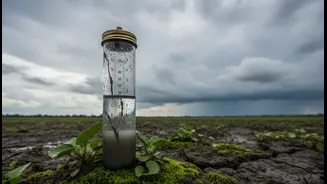
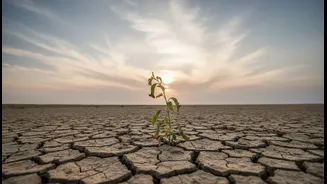
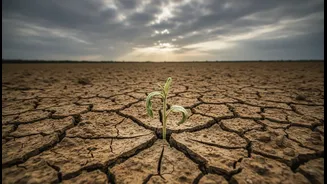
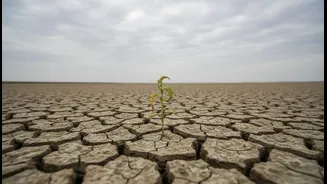
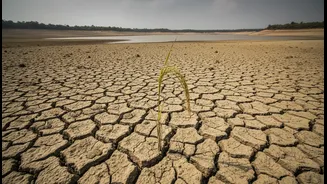
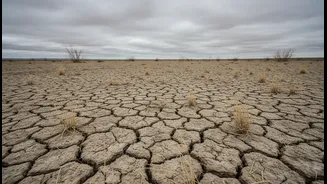
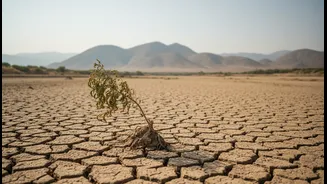
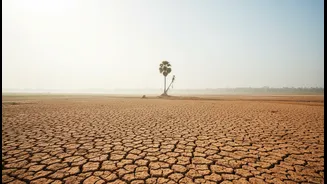
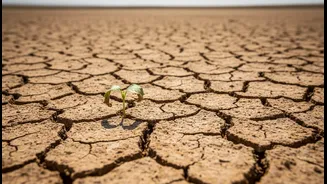
By the numbers, Goa’s monsoon performance is concerning. After a severely dry June that saw rainfall deficits climb past 60%, a few weeks of heavy rain brought some relief. However, the monsoon has weakened again. As of early July, the state-wide seasonal
rainfall deficit is hovering around 25-27%, with North Goa experiencing a more significant shortfall of over 30%. While some rain continues to fall, it has been mostly light to moderate, which is not enough to close the gap from the normal rainfall expected at this peak stage of the season. This pattern of a weak start followed by an insufficient recovery is creating an underlying water security issue that requires close monitoring.
Reservoirs Are Running Behind Schedule
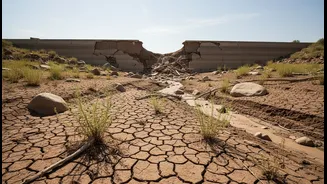
The most visible sign of the weak monsoon is the state of Goa’s dams. While recent rains did improve water levels, they remain well below where they should be in mid-July. The state’s largest reservoir, Selaulim Dam, which supplies water to most of South Goa, is a key indicator. Typically, the dam reaches full capacity and its iconic duckbill spillway starts overflowing by July 7, a popular sight for visitors. This year, as of early July, it was only about 37-43% full, and officials believe it may not overflow until August, a delay not seen since 2016. Other crucial dams like Anjunem are critically low at just 15% capacity, while even healthier ones are lagging behind their usual schedules. This water, collected during the monsoon, must sustain the entire state until June 2027.
For Residents: A Looming Water Crisis?
For the people who call Goa home, the deficient monsoon is a slow-burning worry. While officials have stated there is no immediate water shortage, the concern is for the upcoming dry season next summer. The water currently being stored in reservoirs has to last for drinking, sanitation, and daily life for nearly a year. A failure to replenish these reservoirs adequately now could lead to water rationing and shortages in 2027. The weak spell has also been accompanied by hotter, more humid conditions, with temperatures rising several degrees above normal, adding to the discomfort. Residents are being implicitly asked to be mindful of consumption, as the state’s water security for the next 10 months is being determined right now.
For Tourism Businesses: An Anxious Off-Season
Goa's tourism industry, though in its off-season, is not immune to these concerns. Hotels, restaurants, and other establishments are heavily reliant on a consistent water supply. The spectre of future water shortages could impact everything from daily operations to long-term sustainability. While the monsoon season naturally shifts tourism away from beaches and towards inland attractions, the fundamental resource of water underpins the entire visitor experience. A weak monsoon does not translate to sunny, swimmable beach days; the seas remain rough and unsafe for swimming throughout this period. Businesses must therefore manage the reality of a typical monsoon season's limitations while also preparing for potential resource scarcity down the line.
For Travellers: A Different Kind of Goa Trip
If you are planning a trip to Goa, it is crucial to set the right expectations. A weak monsoon doesn't mean a return to peak-season conditions. The ocean remains dangerous, and popular activities like beach shack lounging and water sports are largely unavailable. The appeal of a monsoon trip lies in the lush green landscapes, gushing waterfalls, and the vibrant atmosphere of Old Goa and Fontainhas in the rain. Travellers should plan for indoor activities, heritage walks, and enjoying the scenery from a good resort. It is wise to choose accommodation with reliable power and water backup. While the rain may be less intense, it is still the monsoon, so packing waterproof gear and opting for cabs over scooters for safety on wet roads is advised.