








The Generic AI Trap
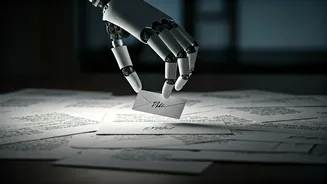
The problem with asking a large language model to write your resume is that it draws from a massive, public pool of data. It has been trained on countless online resumes, job descriptions, and business clichés. As a result, its default output is a blend
of the most common, overused phrases and formats. Words like "results-driven," "team player," and "spearheaded initiatives" are layered on without any real context, resulting in a document that feels polished but completely impersonal. Many hiring managers report they can spot this unnatural, repetitive language instantly, which can make them question the authenticity and effort of your application. In fact, some surveys show nearly half of hiring managers will simply dismiss a resume they believe is entirely AI-generated and lacks personalization.
Start With You, Not the Bot
The most effective way to avoid the generic trap is to treat AI as an assistant, not a ghostwriter. Before you even open an AI tool, do the foundational work yourself. Make a detailed list of your accomplishments, projects, and specific responsibilities. For each point, think about the impact you made. Did you increase sales, reduce costs, improve a process, or launch a successful project? Quantify these achievements with numbers wherever possible. Instead of “Managed a team,” write “Led a 12-person operations team that reduced waste by 8% and increased production efficiency by 12%.” This raw, specific material—your unique career story—is what you will feed the AI. The quality of your output is directly tied to the quality and specificity of your input.
Mastering the Art of the Prompt
A vague prompt leads to a vague resume. Don't just ask AI to “write a resume for a project manager.” Give it a role to play and specific context to work with. For instance, you could prompt it to act as a senior hiring manager and ask it to refine a specific bullet point for a tech industry role, incorporating the metrics you provided. A better prompt might be: "Here is a bullet point from my resume: 'Managed a project.' Refine it to highlight that I completed the project two weeks ahead of schedule and 10% under budget, using language suitable for a fast-paced startup environment." You can also use AI to tailor your resume to a specific job description by asking it to identify and naturally incorporate relevant keywords.
Use AI as a Strategic Editor
Perhaps the most powerful way to use AI is for editing and refinement. Once you have a solid draft based on your own detailed input, you can use AI to polish it. Ask it to check for grammatical errors, suggest stronger action verbs, or identify redundancies. You can also use it to analyze your resume against a specific job description to ensure you've addressed all the key requirements. Think of it as a collaborator. Ask it questions like, "Based on my resume, what aspects of this job do you think I am well-suited for?" or "Where are the gaps in my experience according to this job description?" This turns the AI from a simple content generator into a strategic career tool.
The Final Human Review is Non-Negotiable
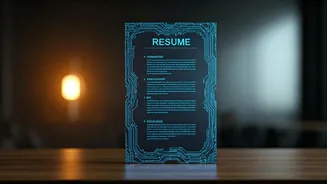
No matter how sophisticated the AI, it does not know your career history and can sometimes invent or exaggerate details. It's crucial that you review every single word of the final document to ensure it's accurate, honest, and truly reflects your experience. This is your story, and you need to be able to confidently speak to every point during an interview. Moreover, hiring managers are looking for authenticity and a glimpse of your personality. The final read-through is your chance to inject your own voice, ensuring the resume sounds like a real person—not a robot. A resume that is AI-enhanced but human-perfected will always be more powerful than one that was blindly copied and pasted.