








A New Era for Indian Ambition
For the longest time, a career in space in India was synonymous with a job at the Indian Space Research Organisation (ISRO). But the landscape is undergoing a dramatic transformation. Following landmark policy reforms in 2020 that opened the sector to private
enterprise, India is now home to a rapidly growing ecosystem of over 400 space startups. This strategic shift, facilitated by the regulatory body IN-SPACe, is designed to turn India's respected space program into a major economic force, projected to be worth $44 billion by 2033. This new private space race is doing more than just building rockets; it's building an entirely new job market for the nation's vast pool of engineering talent.
Skyroot Aerospace: A Private Pioneer
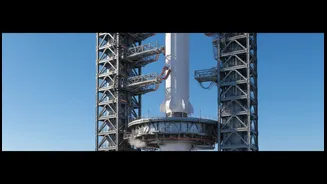
At the forefront of this new wave is Hyderabad-based Skyroot Aerospace. Founded by former ISRO scientists, the company is on the cusp of making history with its Vikram-1 rocket, set for its inaugural orbital launch on July 18, 2026. This mission, named 'Aagaman' (arrival), represents India's first attempt to place satellites in orbit using a launch vehicle developed entirely by a private company. The Vikram-1 is a multi-stage rocket designed to carry small satellite payloads of up to 480 kg into low Earth orbit. Building this complex launch framework is a monumental task that requires a large, multi-disciplinary team, showcasing the kinds of career opportunities this emerging industry offers.
The Jobs Beyond the Code
The rise of companies like Skyroot, Agnikul Cosmos, and Dhruva Space is creating a demand for highly specialised engineers whose work goes far beyond traditional software development. While IT skills remain crucial, the core of this new industry lies in deep engineering disciplines. Job listings from these firms reveal a need for professionals in fields that were once the exclusive domain of government agencies. These roles include aerospace structural engineers, propulsion systems experts, avionics hardware engineers, thermal engineers, and specialists in Guidance, Navigation, and Control (GNC) systems. There is also a growing demand for manufacturing specialists, including methods engineers for composite materials and CNC programmers, who are essential for building the physical components of rockets and satellites.
Building Vikram-1: A Career Magnet
The development and launch of a single rocket like Vikram-1 is a massive undertaking that serves as a powerful magnet for talent. The process involves everything from the initial design and simulation to the complex manufacturing of its carbon-composite structures and solid propulsion stages. It requires electrical integration and test engineers to ensure all systems communicate flawlessly, and hardware quality engineers to guarantee every component can withstand the extreme stresses of a launch. Skyroot’s team of over 1,000 experts blends seasoned veterans with innovative young talent, creating a dynamic work environment focused on rapid prototyping and real-world testing. This 'build-test-learn' approach is attracting engineers who want to see their work take physical form and launch into orbit.
An Ecosystem of Opportunity
Skyroot is a prominent example, but it's part of a much broader trend. Chennai-based Agnikul Cosmos is developing its own launch vehicles using 3D-printed engines and is planning India's first private attempt at recovering a rocket booster. Companies like Pixxel are focused on building constellations of hyperspectral imaging satellites, while Dhruva Space develops satellite platforms. This diversification means the career opportunities are not limited to launch vehicles. The ecosystem also needs satellite systems engineers, geospatial data analysts, and even professionals in space law and business development. As these companies mature, they are creating a virtuous cycle, attracting significant investment and creating a competitive job market with salaries that rival the tech sector, plus the potential for equity in a high-growth industry.