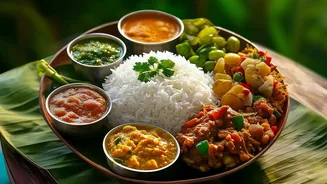



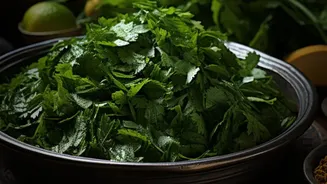

From the humble palak to the robust sarson, leafy greens are the vibrant, unsung heroes of the Indian thali. They add colour, texture, and a powerhouse of nutrients. Let's delve into why greens are essential and celebrate a true icon: saag.
The Unsung Heroes of Nutrition
Green leafy
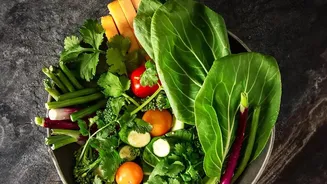
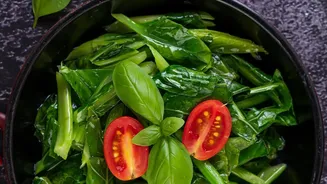
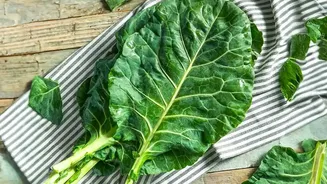
vegetables (GLVs) are a cornerstone of a healthy diet, and for good reason. They are packed with essential vitamins and minerals that our bodies need to function optimally. According to the Indian Council of Medical Research (ICMR), these vegetables are considered protective foods due to their high content of antioxidants. They are rich in vitamins A, C, and K, as well as minerals like iron and calcium. For instance, vitamin A is crucial for good vision and a healthy immune system, while vitamin K is vital for blood clotting and bone health. Iron helps combat anaemia, a prevalent health issue, particularly among women and children in India. Furthermore, greens are an excellent source of dietary fibre, which aids digestion and can help in maintaining a healthy weight and lowering cholesterol.
Saag: More Than Just a Dish
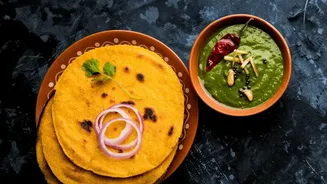
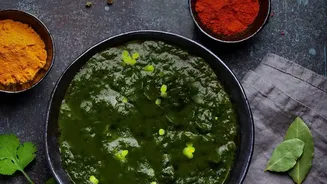
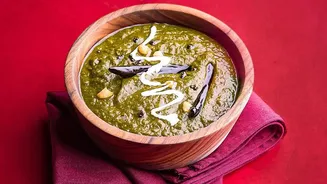
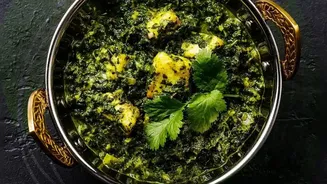
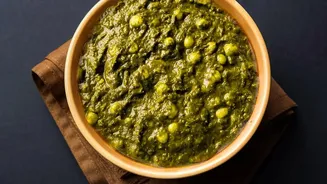
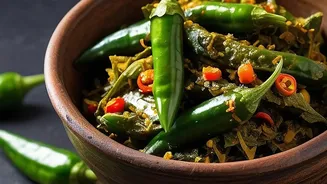
In the vast landscape of Indian cuisine, 'saag' holds a special place. The term, derived from the Sanskrit word 'śāka', simply means greens, but it represents a whole category of slow-cooked leafy vegetable dishes. While often associated with the famous 'Sarson ka Saag' from Punjab, made from mustard greens, variations of saag are found across the subcontinent, from Odisha to Uttarakhand. It's a dish born from the resourcefulness of agricultural communities, designed to make the most of the seasonal bounty of greens during winter months. Saag is not just food; it's a cultural emblem, a symbol of warmth, and a connection to the land. The traditional pairing of Sarson da Saag with Makki di Roti (cornmeal flatbread) is a celebratory meal during winter harvest festivals like Lohri.
The Power Players in Your Saag
A traditional saag is often a medley of different greens, each bringing its unique flavour and nutritional profile. The star is usually mustard greens (sarson), known for their pungent, slightly bitter taste. Mustard greens are a nutritional powerhouse, containing significant amounts of Vitamin C (even more than spinach), Vitamin A, and Vitamin K. They are also rich in antioxidants and compounds called glucosinolates, which may help protect cells from damage. To balance the bitterness of mustard leaves, other greens like spinach (palak) and bathua (chenopodium) are often added. Spinach is rich in iron, folate, and magnesium, while bathua adds its own distinct flavour and is valued in traditional medicine. This combination creates a dish that is complex in flavour and incredibly dense in nutrients, offering benefits for heart health, immunity, and overall vitality.
Bringing More Greens to Your Plate
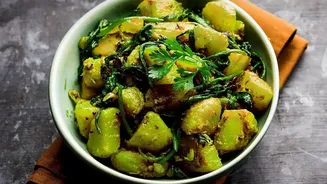
Inspired by the ethos of saag, incorporating more greens into your daily Indian meals can be simple and delicious. You don't have to make an elaborate dish every time. Finely chopped spinach or fenugreek (methi) leaves can be kneaded into the dough for rotis or theplas. Stir a handful of greens into your dal towards the end of cooking; they will wilt down and add a burst of nutrients. Grated vegetables like carrots or finely chopped greens can be added to breakfast staples like poha, upma, or omelettes. Even gravies can be secretly fortified by blending in boiled spinach or other greens to add thickness and nutritional value without compromising on taste. The key is to see greens as a versatile ingredient that can be integrated into dishes you already love, making healthy eating a seamless part of your routine.