

A Different Rhythm of Life
The first thing that strikes you in Sangla and Kalpa is the distinct lack of hurry. Unlike the frenetic energy of Shimla’s Mall Road or Manali's bustling tourist markets, life in the Kinnaur district moves at a gentler pace. There are no traffic jams
of tourist vehicles, no persistent calls from vendors. Instead, the soundtrack is the flow of the Baspa River, the rustle of apple orchards, and the distant chime of temple bells. This is the world of 'slow travel', where the goal isn't to tick off a list of sights but to simply be present. The focus shifts from consumption to connection—whether it’s chatting with locals in a village square or spending an afternoon reading by the river without interruption.
Unfiltered Natural Beauty
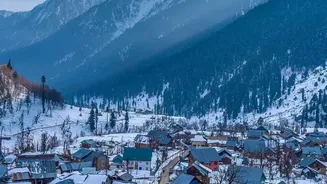
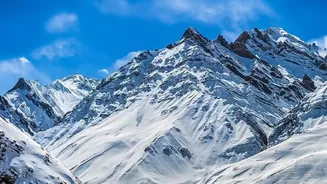
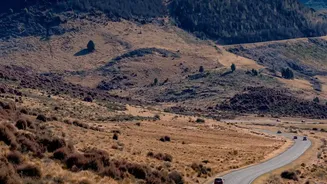
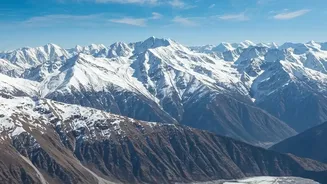
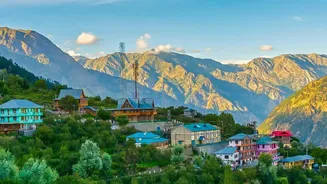
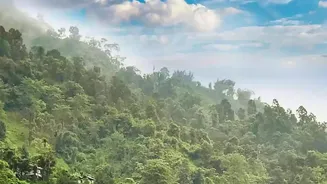
While mainstream hubs offer stunning, often crowded, viewpoints, Sangla and Kalpa immerse you in the landscape itself. Sangla Valley, also known as Baspa Valley, is a lush expanse of greenery, riverside meadows, and dense forests. Kalpa, perched higher up, offers staggering, front-row views of the sacred Kinner Kailash range, which seems to change colour with the shifting light of the day. The beauty here feels raw and expansive. Instead of designated photo points, the entire journey through Kinnaur is a scenic drive, with dramatic vistas unfolding around every bend of the winding Hindustan-Tibet road. It’s the difference between looking at a painting of the Himalayas and stepping into the canvas.
Authentic Cultural Encounters
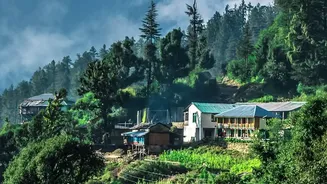
The culture in Kinnaur is not a performance for tourists; it's a living, breathing part of daily existence. This remote region boasts a unique syncretic culture, a blend of Hinduism and Tibetan Buddhism that feels both ancient and harmonious. You'll find ancient wooden temples with intricate carvings, like the Kamru Fort in Sangla or the Narayan-Nagini Temple in Kalpa, often located near serene Buddhist monasteries. The architecture, with its slate roofs and wooden beams, is a testament to traditional craftsmanship. Festivals here, like the Phulaich festival of flowers, are deeply rooted community events, not commercial spectacles. This allows for a more genuine cultural immersion than what is often possible in more commercialized destinations.
The Journey as the Destination
Reaching Himachal's popular towns is relatively straightforward, but often involves battling heavy traffic. The journey to Sangla and Kalpa is an adventure in itself. The drive from Shimla is long and demanding, carving through rock-cut tunnels and hugging steep cliff sides along the Sutlej River. This very remoteness is what preserves their charm. The challenging roads act as a natural filter, attracting travelers who are willing to put in the effort for a more rewarding experience. The journey prepares you for the destination, slowly stripping away the noise of urban life and tuning your senses to the mountain environment long before you arrive.
For the Seeker, Not the Shopper
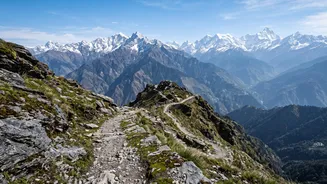
Ultimately, the choice between these destinations comes down to your travel style. Busier hubs cater brilliantly to those seeking a holiday with a wide variety of restaurants, shops, and readily available adventure sports packages. They are perfect for family vacations where diverse entertainment options are a priority. Sangla and Kalpa, on the other hand, appeal to the seeker. They are for the traveler who wants silence, photographers chasing the morning light on snow peaks, trekkers exploring remote trails, and anyone looking to experience the Himalayas in a more introspective and peaceful way. It's less about what you can 'do' and more about how the place makes you 'feel'.