





Choose Your Fabrics Wisely
The single biggest mistake in monsoon dressing is wearing the wrong material. Heavy fabrics like denim, pure cotton, and linen are your worst enemies; they absorb water, become heavy, and take forever to dry in the humid air. Instead, embrace lightweight,
quick-drying fabrics. Synthetics and blends are your best friends here. Think polyester, nylon, rayon, georgette, and cotton-polyester blends. These materials don't hold water, ensuring that even if you get caught in a shower, you won't be left feeling damp and miserable for hours. For a traditional touch, look for lighter options like blended khadi or chiffon.
Rethink Your Silhouettes and Lengths
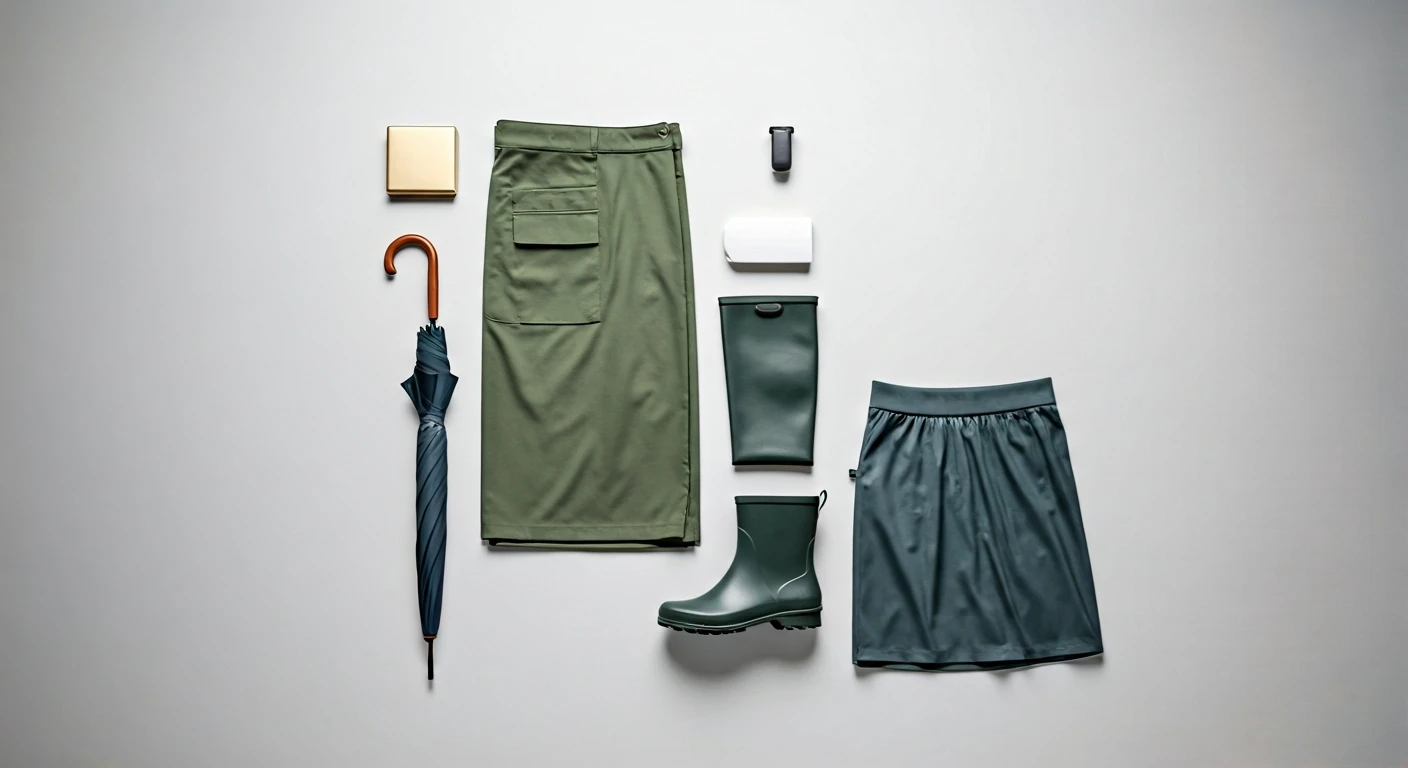
Long, flowing garments are beautiful, but they're not practical when streets are waterlogged. This is the season to go shorter. Opt for cropped pants, culottes, shorts, or knee-length skirts and dresses. These styles prevent the hems of your clothes from dragging through muddy water, keeping you cleaner and more comfortable. Loose-fitting silhouettes like A-line kurtis, shirt dresses, and kaftans are also excellent choices. They don't cling to your body in the humidity, allowing for better air circulation and keeping that sticky feeling at bay.
Embrace a Brighter Colour Palette
While it might seem counterintuitive, the grey, overcast days of monsoon are the perfect backdrop for vibrant colours. Bright yellows, pinks, blues, and greens can instantly lift your spirits. There's a practical reason, too: darker and brighter colours are much better at hiding mud splashes and water marks than whites or light pastels. If you're a fan of prints, now is their time to shine. Funky floral or geometric patterns can effectively camouflage any accidental stains you might pick up on your commute.
Your Footwear is a Top Priority
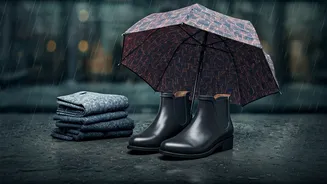
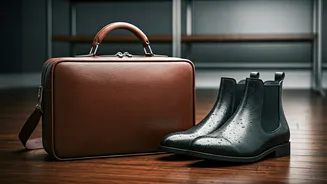
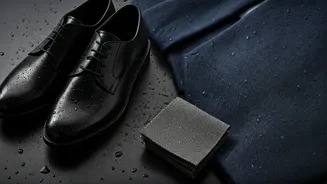
Monsoon can be brutal on your shoes, and wearing the wrong pair is a recipe for disaster. This is the season to pack away your beloved leather, suede, and canvas sneakers. They get ruined by water and can lead to fungal infections. Instead, invest in waterproof and quick-drying footwear. Rubber flip-flops, PVC sandals, and Crocs are excellent, practical choices. Look for footwear with good grip and textured soles to avoid slipping on wet surfaces. Wedges are a safer alternative to stilettos if you need some height, as they provide better balance. The key is to choose shoes that can handle a puddle and dry out quickly.
Accessorise for Function and Style
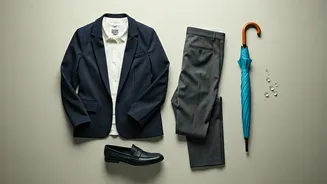
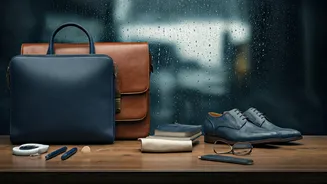
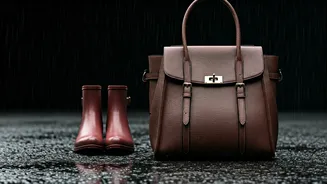
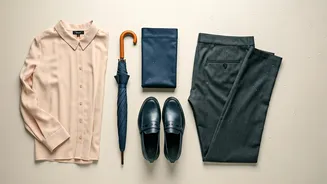
Monsoon accessories are all about practicality. A sturdy, stylish umbrella is a non-negotiable. Consider a waterproof or water-resistant bag to protect your essentials like your phone and wallet. Roomy tote bags made from nylon or synthetic leather are great options. It's also a good idea to swap out heavy metal jewellery, which can tarnish in the humidity, for lighter, non-metal options. A lightweight scarf made from a quick-drying fabric can be a versatile accessory; use it to protect your hair from the drizzle or add a pop of colour to your outfit.
Master the Art of Layering
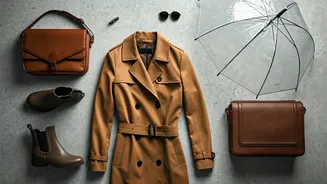
The weather can be unpredictable during the monsoon, with sudden temperature drops after a downpour. A lightweight, waterproof jacket or a chic trench coat is a great investment. They not only keep you dry but also add a stylish layer to your outfit. Look for options in nylon or other water-repellent materials. Another great layering piece is a kimono or shrug made from a light, breathable fabric that can be easily folded into your bag when not needed. This allows you to adapt to changing temperatures throughout the day.
Don't Forget About Laundry Care
Finally, practical monsoon dressing extends to how you care for your clothes. The high humidity can leave laundered clothes with a persistent musty smell. To combat this, don't let damp or dirty clothes pile up. Wash them promptly and, if possible, add a capful of vinegar or some baking soda to the wash cycle to help neutralize odours. Since sun-drying is often not an option, dry clothes indoors in a well-ventilated area, perhaps near a fan, to speed up the process. Ensure clothes are completely dry before storing them to prevent mould and mildew growth.