


The familiar neighbourhood high street is changing. Alongside local kiranas and decades-old boutiques, shiny storefronts of premium brands are appearing, signalling a profound shift in India's retail economy that extends far beyond the major metros.
The Changing Face of the High Street
Across
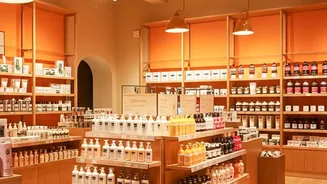
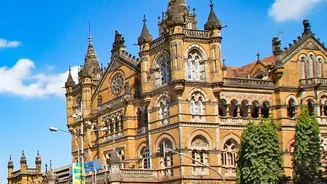
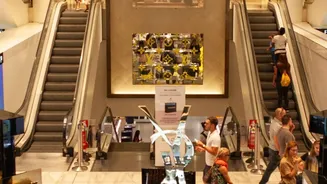
India, traditional shopping streets and local markets are undergoing a significant facelift. What was once the exclusive domain of neighbourhood shops, independent retailers, and family-run businesses is now becoming fertile ground for national and international premium brands. This isn't just happening in the upscale corridors of Delhi or Mumbai, but also in the bustling commercial hearts of Tier-2 and Tier-3 cities like Lucknow, Indore, and Kochi. This 'premiumisation' is visible in the evolution of high streets, which are transforming from purely transactional spaces into experiential destinations that blend shopping with dining, culture, and leisure. Developers are increasingly favouring the creation of sophisticated open-air retail environments, attracting brands that cater to a growing consumer appetite for quality and aspirational lifestyles.
What's Driving the Premium Push?
Several powerful forces are fueling this transformation. A primary driver is India's expanding economy and rising disposable incomes. As the number of affluent households grows, so does the willingness to spend on higher-quality, branded goods. This is amplified by a young, digitally-savvy demographic with high aspirations and exposure to global trends through social media. For these consumers, value is increasingly defined by experience, design, and authenticity, not just price. Post-pandemic, there has also been a shift in spending priorities, with a greater emphasis on lifestyle upgrades. For brands, moving into these emerging local ecosystems represents a crucial strategy for growth, allowing them to tap into new customer bases beyond the saturated metropolitan markets.
A Double-Edged Sword for Local Businesses
The influx of premium brands brings both opportunities and challenges for existing local retailers. On one hand, the arrival of well-known brands can increase footfall and elevate the profile of a neighbourhood, potentially benefiting all businesses in the vicinity. It can spur infrastructure improvements like better parking and pedestrian-friendly walkways. However, it also brings intense competition and a sharp rise in real estate prices. Many small, independent shops struggle to compete with the marketing budgets and sophisticated operations of larger brands, and rising rents can push them out of prime locations. This can lead to a homogenization of retail spaces, where unique local shops are replaced by a familiar lineup of national chains, potentially eroding the area's original character.
A New Experience for Consumers
For shoppers, the benefits seem clear: more choice, access to global brands, and an elevated, often more comfortable, shopping environment. The presence of premium brands often signals a higher standard of service and product quality. However, this upgrade comes at a cost. The 'premiumisation' of a local market can lead to an overall increase in prices, making it less accessible for budget-conscious consumers. There is also the intangible loss of the unique charm and personal connection associated with local markets and independent stores. While a new café from a global chain might offer consistency, it may not provide the same sense of community as a local tea stall that has been a neighbourhood fixture for generations.
The Next Frontier: Beyond the Metros
Perhaps the most significant aspect of this trend is its expansion into India's smaller cities and towns. Once overlooked by major brands, Tier-2 and Tierer cities are now seen as the next major growth frontier. Retailers are finding that consumers in cities like Jaipur, Surat, and Guwahati have aspirations and brand awareness similar to their metro counterparts. This is leading to the development of high quality retail infrastructure in these areas from high streets to premium malls. This expansion is not just about selling products it is about being part of a larger lifestyle movement that is reshaping consumption patterns across the country driven by a new generation of consumers who are confident connected and ready to spend on quality.