



The Fibre Factor: What's Lost in Translation
The most significant difference between sipping a juice and biting into a fruit is fibre. Whole fruits are packed with dietary fibre, the structural part of the plant that our bodies don't absorb. This fibre is crucial for good digestion, but it also
plays a key role in slowing down sugar absorption. When you juice a fruit, you strip away the pulp and skin, which contain most of this beneficial fibre. Without it, the natural sugars in the fruit are absorbed very quickly by your body, leading to a rapid spike in blood sugar, much like you'd get from a sugary drink. Eating a whole fruit, with its fibre intact, allows for a slow, steady release of sugar, keeping your energy levels stable and making you feel full for longer.
A Concentrated Dose of Sugar
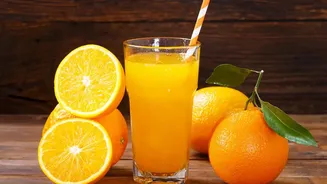
Consider this: you can drink the juice of three or four oranges in a single glass, a feat you'd be unlikely to accomplish by eating them whole. This means that a glass of juice, even if it's 100% fresh with no added sugar, delivers a highly concentrated dose of sugar. The World Health Organization classifies the sugars in fruit juice as 'free sugars', the same category as table sugar and honey, which we are advised to limit. Studies have linked high consumption of fruit juice to a greater risk of type 2 diabetes, whereas eating whole fruits is associated with a lower risk. This is because liquid calories don't provide the same feeling of fullness (satiety) as solid food, which can lead to consuming more calories overall.
The Myth of the 'Detox' Cleanse
Juice cleanses are often marketed with enticing promises of 'detoxifying' the body and curing ailments. However, there is no convincing scientific evidence to support these claims. Your body is already equipped with a highly efficient detoxification system: your liver and kidneys. These organs work around the clock to filter and eliminate unwanted substances from your body through urine, sweat, and bowel movements. A 'juice cleanse' doesn't enhance this process. Any weight loss experienced is typically due to severe calorie restriction and loss of water weight, which is quickly regained once a normal diet is resumed. Furthermore, the side effects of such restrictive diets can include fatigue, headaches, and difficulty concentrating.
Nutrients: Not an Equal Exchange
While fresh juice does contain vitamins and minerals, the juicing process can lead to a loss of certain nutrients. Many beneficial compounds, including antioxidants and flavonoids, are bound to the fibre in the fruit's pulp and skin, which are discarded during juicing. Heat and exposure to air during the juicing process can also degrade sensitive vitamins like vitamin C. While a glass of juice is certainly better than a sugary soda because it does offer some nutritional value, it is not nutritionally equivalent to eating the whole fruit. Blending a whole fruit into a smoothie is a slightly better option than juicing, as it retains the fibre, but eating the fruit in its natural, solid state remains the gold standard.
The Verdict for Your Daily Diet
For daily nutrition, the consensus among health experts is clear: prioritise whole fruits over fruit juice. The combination of fibre, a slower release of sugar, and a more complete nutrient profile makes whole fruit the superior choice for managing weight, controlling blood sugar, and supporting overall digestive health. That doesn't mean you must banish juice from your life entirely. Think of fresh fruit juice as an occasional treat rather than a daily health staple. If you do have it, keep the portion small and consider having it with a meal containing protein or fat to help slow down sugar absorption.