



The Invisible Moisture in Your Kitchen
The term “humid kitchen air mass” might sound technical, but it describes a common scenario in many Indian homes. It’s simply the air in your kitchen that's heavy with water vapour. This happens naturally in coastal areas or during the monsoon season.
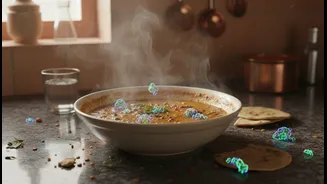
Activities like boiling rice, steaming idlis, or simmering curries also release a significant amount of steam, temporarily raising the kitchen's humidity. This invisible moisture is the key reason why food seems to spoil faster and why our trusted food covering methods can sometimes fail us. High humidity creates the perfect environment for microorganisms like mould and bacteria to thrive, turning your kitchen into an ideal breeding ground.
Why Your Cotton Cloth Cover Fails
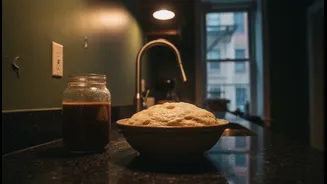
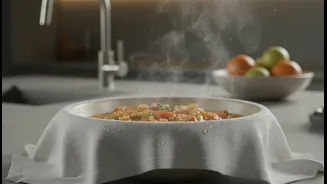
We often reach for a simple cotton napkin or a piece of muslin to cover a dish that’s cooling down. The intention is to protect it from dust and insects. However, in a humid environment, this well-meaning habit can backfire. Natural fibres like cotton and wool are hygroscopic, meaning they naturally attract and absorb water molecules from the air. When the air is saturated with moisture, the cloth cover doesn’t just act as a physical barrier; it becomes a damp, porous bridge between the air and your food. Instead of protecting the dish, the moist fabric can trap condensation, creating a damp micro-environment right above the food's surface.
A Breeding Ground for Microbes
The combination of warmth from the cooling food and the moisture held by the cloth cover creates a perfect incubator for microbial growth. Bacteria and mould spores, which are always present in the air, find this warm, damp surface irresistible. They can proliferate on the moist cloth and then easily find their way into the food below. Research has shown that higher humidity levels can dramatically increase the rate of bacterial development. This explains why food can spoil, develop off-flavours, or show signs of mould growth much more quickly when covered with a simple cloth in a humid kitchen, compared to a dry one. The cover, meant to be a protector, inadvertently becomes an accomplice in the spoilage process.
Smarter Ways to Cover and Cool Food
Understanding the science doesn’t mean you have to leave food uncovered. It just means we need to adapt our methods for humid conditions. One of the best alternatives is a fine mesh food cover. These act as an excellent physical barrier against pests and dust while allowing steam and heat to escape freely, preventing condensation from building up. If you must use a cloth, make sure the food has cooled down significantly first. For dishes that need to be refrigerated, it’s best to let them cool for a short while before transferring them to an airtight container. Sealing food while it's still hot traps steam, which will turn into condensation inside the container, promoting sogginess and spoilage.
Best Practices for a Humid Kitchen
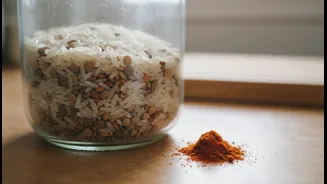
Beyond just covering food, managing the overall humidity in your kitchen is key. Use an exhaust fan whenever you are cooking, especially when boiling or steaming, to pull moisture-laden air out of the room. Ensure good air circulation by opening windows when the weather permits. Storing dry goods like flour, grains, and spices in airtight containers is crucial, as they can absorb ambient moisture, which leads to clumping and spoilage. For particularly humid homes, a small kitchen dehumidifier can be a worthwhile investment to maintain an optimal humidity level, generally recommended to be between 50-60% for storage areas.