








Why Monsoon Disrupts Train Travel
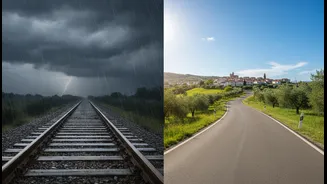
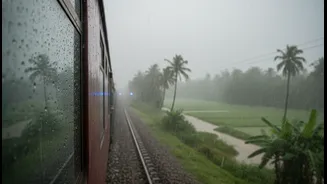
The monsoon season presents significant operational challenges for Indian Railways. Heavy rainfall can lead to waterlogging on tracks, especially in low-lying urban areas and coastal regions, forcing trains to run at reduced speeds or be diverted. In hilly
terrains, such as the ghat sections near Mumbai and the Konkan Railway route, the risk of landslides and boulders falling on tracks is a major concern, often leading to service suspensions for safety reasons. Recent reports from July 2026 highlight how incessant rains have caused landslides in the Mumbai-Pune ghat section, leading to the cancellation of over 120 trains and significant disruptions. These weather-induced issues create a domino effect, causing cascading delays across the network and making journeys unpredictable.
Your Digital Toolkit for Real-Time Updates
In an era of uncertainty, information is your best asset. Before and during your journey, make it a habit to check your train’s live running status. The official National Train Enquiry System (NTES) website and mobile app are invaluable resources. Other popular third-party apps like RailMitra, ixigo, and ConfirmTkt also provide real-time location tracking, delay information, and expected arrival times. These platforms allow you to 'spot your train' on a map and receive updates on cancellations or diversions. Passengers can also use the railway helpline number 139 for enquiries via call or SMS. Staying informed helps you make timely decisions, such as whether to wait at the station or look for alternative arrangements, preventing wasted hours.
Smart Booking and Cancellation Strategies
Monsoon travel requires a flexible approach to booking. Certain railway zones, most notably the Konkan Railway, implement a special monsoon timetable from mid-June to October. This often involves changes in train timings and reduced frequency for some services to ensure safety, so verify the schedule before booking. When booking, be mindful of cancellation policies. If Indian Railways cancels a train, passengers with e-tickets will receive an automatic full refund. Those with counter tickets must surrender them at a reservation counter to claim their money back. If your train is delayed by more than three hours, you are also entitled to a full refund, but you must cancel the ticket before the train's departure. Understanding these rules can save you from financial loss if your plans are disrupted.
The Importance of Building a Time Buffer
One of the simplest yet most effective ways to save yourself from stress is to build a buffer into your travel schedule. Monsoon train journeys are prone to delays that can range from 20-25 minutes due to speed restrictions on waterlogged tracks to several hours in case of major disruptions. Avoid booking tight connections, whether it's another train or a flight. Arriving at the station early is also wise, as local road traffic can be equally unpredictable during heavy downpours. This extra time acts as a crucial safety net, ensuring that an unexpected delay doesn't derail your entire itinerary. It’s a small planning step that can make a huge difference in managing the unpredictability of monsoon travel.
Pack for a Wet and Delayed Journey
Packing appropriately can significantly improve your travel experience. Assume there will be rain and potential delays. A lightweight raincoat and waterproof footwear with a good grip are essential for navigating slippery platforms. Protect your belongings by using waterproof bags or covers for your luggage, and keep electronics, chargers, and important documents in smaller zip-lock pouches. Given the possibility of extended journey times or unavailability of pantry services, carrying extra food, snacks, and a bottle of water is highly recommended. A fully charged power bank is another must-have to keep your devices powered so you can track your journey and stay in touch.