



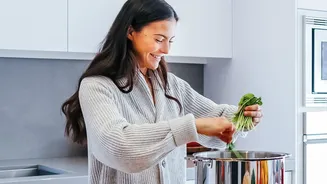
The Batch Cooking Mindset
Batch cooking is more than just cooking in large quantities; it's a strategy. The goal is to invest a few focused hours in the kitchen to free up your entire week. For busy families, this means less daily stress and more quality time together during the holidays.
Instead of scrambling to prepare something for unexpected guests or hungry children, you can simply open a container. The key is planning. By dedicating one block of time to prepare multiple snacks, you streamline everything from shopping to cleaning, making the whole process incredibly efficient. This approach transforms festive hosting from a frantic chore into a manageable and enjoyable part of the celebrations.
Your Festive Snack Blueprint
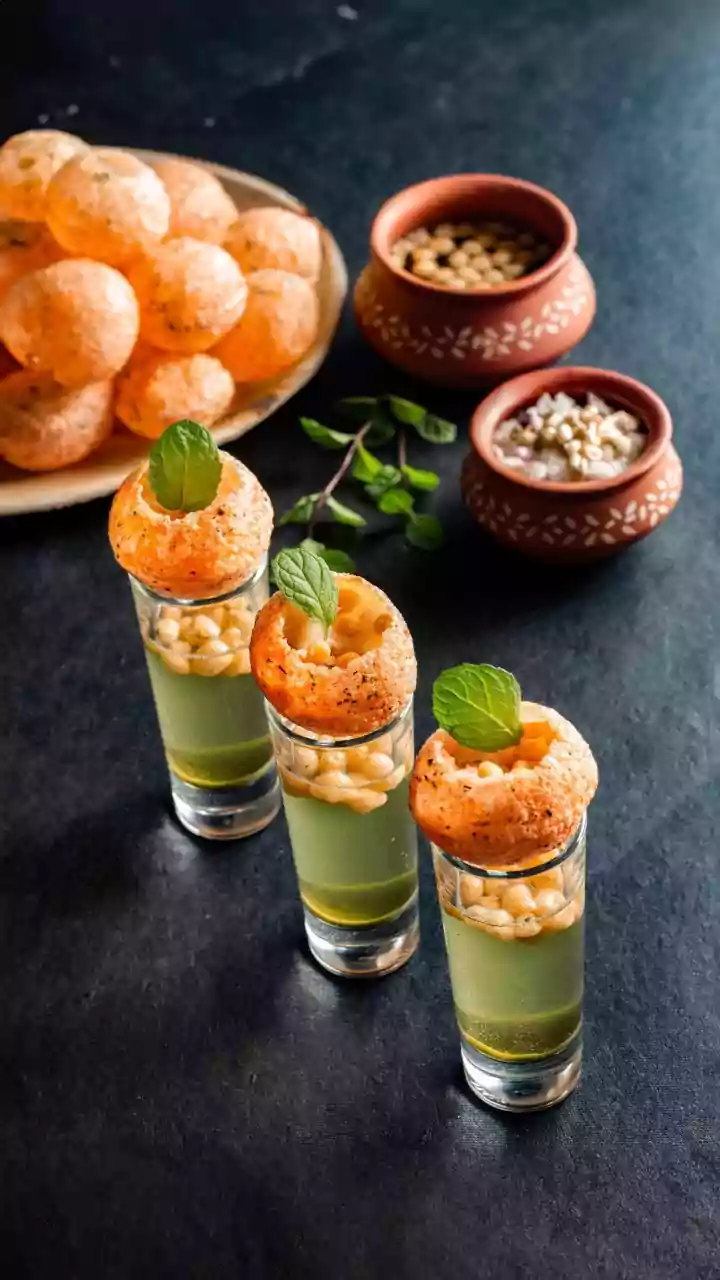
The success of batch cooking hinges on choosing the right recipes. Focus on snacks that have a good shelf life and retain their texture and flavour. Dry, crunchy snacks are excellent candidates. Think of classic Indian savouries like chakli, mathri, and namak pare. These items, when stored correctly, can remain fresh and crispy for weeks. For sweets, laddoos (especially those made with roasted flour or semolina), and some types of barfi are great make-ahead options. It's wise to select a mix of sweet and savoury snacks to cater to different tastes. Consider recipes that share common ingredients to simplify your shopping list. For example, chickpea flour (besan) is a versatile base for both sweet laddoos and savoury sev. Planning a complementary menu is the first step towards a well-stocked festive pantry.
The Ultimate Batch-Cooking Workflow
A structured workflow is your best friend. Start by dedicating a specific day for your batch-cooking session. A Sunday afternoon, for instance, can be your 'prep and cook' day. The first phase is preparation: chop all your vegetables, measure out spices, and prepare any doughs or batters. Once the prep is done, move on to the cooking phase. Work systematically, starting with items that require baking or longer cooking times. While one snack is in the oven, you can be frying or assembling another on the stovetop. This assembly-line approach maximises your time and energy. Let everything cool down completely before you even think about storing it; packing warm food creates condensation, which leads to sogginess and spoilage.
Smart Storage for Lasting Freshness
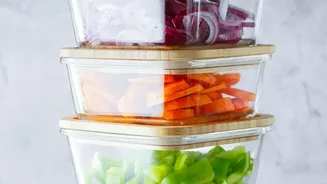
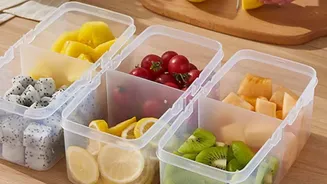
Proper storage is non-negotiable for keeping your snacks delicious. The golden rule is to use airtight containers. Glass or stainless steel containers are often recommended as they don't absorb odours. For dry, fried snacks like chakli or chivda, ensure they are completely cool and free of excess oil before storing them in a cool, dry place away from direct sunlight. Milk-based or syrupy sweets generally require refrigeration to prevent them from spoiling. To maintain maximum crunchiness, you can place a paper towel at the bottom of the container for fried items to absorb any residual moisture. According to food safety guidelines, many dry goods and homemade baked items can last for several days to weeks when stored properly at room temperature.
A Sample Make-Ahead Menu
Feeling overwhelmed? Start with a simple, manageable menu. A balanced selection could include two savoury and two sweet options. For savouries, try baked Methi Mathri (fenugreek crackers) and a large batch of roasted Makhana (fox nuts) with your favourite spices. Both are relatively quick to make and store exceptionally well. For sweets, Besan Laddoos and Coconut Barfi are fantastic choices. The laddoos can last for weeks at room temperature, while the barfi will stay fresh in the fridge for a week. This combination offers a delightful range of flavours and textures, ensuring you have the perfect homemade treat on hand for any festive occasion. The key is to start small, build your confidence, and then expand your batch-cooking repertoire.