



Why Drying Differently Matters in Monsoon
High humidity is the primary culprit behind most monsoon hair issues. Hair, especially if dry or porous, absorbs excess moisture from the air, causing the hair shaft to swell and the cuticle to lift, resulting in frizz and unruliness. More critically,
a scalp that remains damp for prolonged periods becomes a breeding ground for fungus and bacteria. This can lead to itchiness, dandruff, and even increased hair fall. Simply put, leaving your hair to its own devices is not an option this season. Adopting smarter drying habits is your first line of defence against damage. A proper routine ensures both your strands and scalp stay healthy.
Start with a Gentle Squeeze
Your drying routine begins the moment you turn off the shower. Hair is at its most fragile when wet, and aggressive rubbing with a coarse bath towel is one of the fastest ways to cause breakage and frizz. The rough loops of traditional terry cloth towels can snag and disrupt the hair cuticle. Instead, gently squeeze or press out excess water. The best tools for this are a microfiber towel or a soft, old cotton t-shirt. Both are made with finer, smoother fibres that absorb water effectively without creating friction, protecting your hair from damage and providing a smoother foundation for styling.
Air-Drying the Right Way
While avoiding heat styling is generally good advice, air-drying during the monsoon requires a specific technique to be effective. Letting your hair dry slowly in a humid environment can actually make frizz worse. The key is to speed things up and protect the cuticle. After gently towel-drying, apply a lightweight, anti-frizz serum or leave-in conditioner to damp hair. This helps to seal the cuticle and create a barrier against ambient moisture. Part your hair to allow air to reach the scalp, and most importantly, resist the urge to touch your hair as it dries. Fiddling with it will only disturb the cuticle and invite frizz.
Mastering the Blow-Dryer
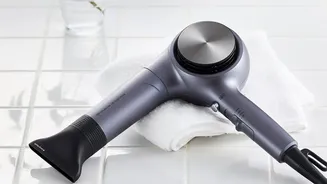
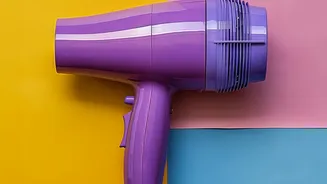
For those who need to dry their hair quickly or prefer a sleeker finish, a blow-dryer is indispensable. To minimise damage, always apply a heat protectant first. Using a hair dryer with ionic technology can be a game-changer in humid weather. These dryers release negative ions that help break down water molecules faster and seal the hair cuticle, significantly reducing frizz and static. Always use the concentrator nozzle and point it downwards along the hair shaft. This technique smooths the cuticles flat, resulting in a shinier, more polished look. Dry your hair in sections and use a medium heat setting; high heat can strip moisture and cause damage.
The Finishing Touch to Lock Out Humidity
Once your hair is completely dry, whether by air or blow-dryer, the final step is to lock in your style and create a shield against the humidity waiting outside. This is where anti-humectant styling products come in. Unlike hydrating products that attract moisture, anti-humectants work to block it. A lightweight finishing serum, a smoothing oil, or an anti-humidity spray can provide a protective barrier over the hair shaft. Look for products containing silicones, which are highly effective at creating this shield without weighing hair down. A light mist is all you need to keep your hair looking smooth and intentional all day long.