




What Exactly Are We Drinking?
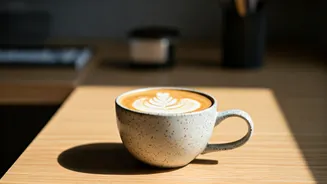
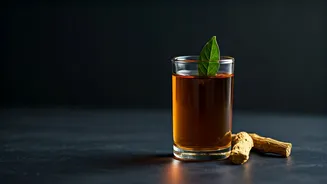
When you hear “cold brew,” your mind probably jumps to coffee. While that’s part of the story, this trend is much broader. A botanical cold brew is a slow-steeped, non-alcoholic beverage infused with a variety of plant-based ingredients. Think beyond
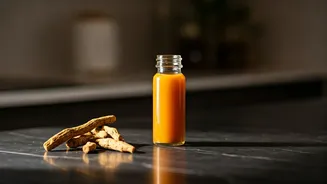
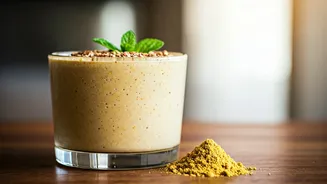
coffee beans to things like hibiscus flowers, butterfly pea tea, and rooibos. The “spiced” element takes it a step further, incorporating an array of aromatic and functional spices. We’re talking about drinks laced with turmeric, ginger, cardamom, cinnamon, and even black pepper. These aren’t just flavour enhancers; they are chosen for their perceived health benefits, creating a drink that’s as much a wellness tonic as it is a tasty refreshment. The result is a layered, sophisticated drink that offers a complex flavour profile without the sugar crash of a soft drink or the effects of alcohol.
The Gen Z Wellness Obsession
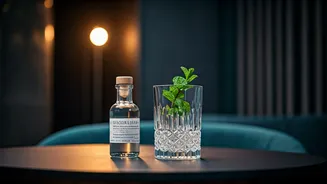
This trend didn't emerge in a vacuum. It’s a direct reflection of Generation Z’s relationship with health. Often dubbed the most health-conscious generation, Gen Z prioritises mental and physical well-being in a way that is fundamentally different from their predecessors. They grew up with unlimited access to information and are highly aware of concepts like gut health, inflammation, and the benefits of adaptogens (herbs like ashwagandha that help the body manage stress). For them, what they consume is an act of self-care. This has fuelled the “sober curious” movement, where many young adults are actively reducing their alcohol intake or abstaining altogether. Spiced botanical brews fill this gap perfectly, offering a sophisticated, adult beverage experience without the alcohol. It’s a drink you can socialise with, post on Instagram, and feel good about the next morning.
A Modern Twist on Ancient Wisdom
While the packaging and marketing are new, the core concept is ancient. For centuries, Indian households have relied on drinks infused with spices and herbs for both health and hospitality. Think of a comforting glass of *haldi doodh* (turmeric milk) for immunity, a refreshing *nimbu pani* with mint, or the complex spice blend in a morning *masala chai*. The Gen Z botanical brew trend can be seen as a globalised, modern interpretation of these very principles. It taps into Ayurvedic traditions and the age-old wisdom that plants and spices can heal and nourish the body. By embracing ingredients like ginger for digestion, turmeric for its anti-inflammatory properties, and ashwagandha for stress relief, this generation is, in many ways, reconnecting with practices their grandparents might recognise, albeit with a stylish, cold-brewed twist.
Crafted for the 'Gram
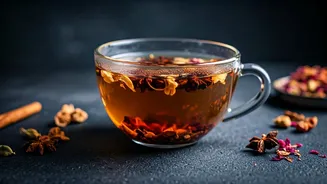
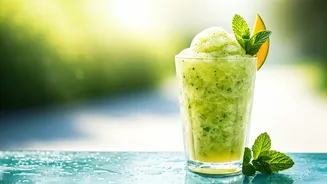
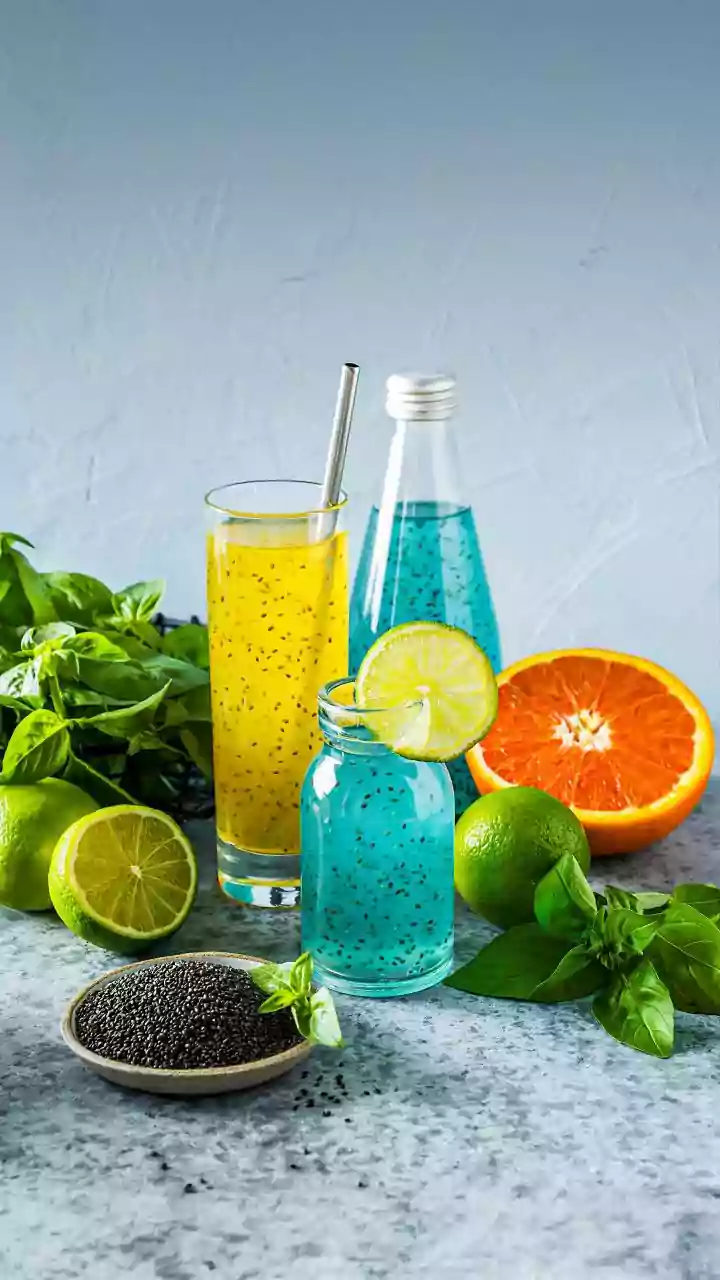
Let’s be honest: aesthetics matter. A significant part of the appeal of these beverages is their visual beauty. The vibrant crimson of hibiscus tea, the magical colour-changing properties of butterfly pea flower, and the artful garnish of a cinnamon stick or a sprig of rosemary make these drinks incredibly photogenic. In an era where “if you didn’t post it, it didn’t happen,” a beautiful drink is an essential accessory. Cafes and brands have leaned into this, serving their botanical creations in sleek glassware with perfect lighting in mind. This visual appeal not only drives sales but also fuels the trend’s organic growth on social media platforms like Instagram and TikTok, where a single viral video of a layered, colourful brew can introduce it to millions of potential new fans.
How to Join the Brew Crew
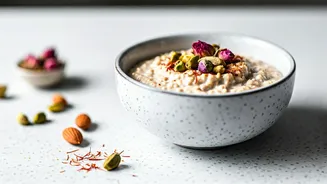
Curious to try it yourself? The good news is that you don’t need a fancy cafe. You can easily start at home. A simple starting point is to cold brew your favourite green or herbal tea for 8-12 hours in the fridge. To make it a “spiced botanical” brew, add ingredients during the steeping process. Try a few slices of fresh ginger and a stick of cinnamon with black tea, or some crushed cardamom pods and star anise with rooibos. For a floral note, add dried hibiscus or rose petals. Strain the brew, serve over ice, and sweeten lightly with honey or jaggery if desired. As this trend grows, you’ll also find more ready-to-drink options in stores and dedicated menus in cafes across major Indian cities, proving this mindful drinking movement is here to stay.