


A Legacy Spun from Cotton
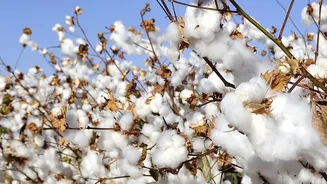
Coimbatore's journey into textiles is a story of perfect conditions. The region's rich black soil was ideal for cotton cultivation, a resource that traders had valued since ancient Roman times. But the industrial revolution here truly began in the late
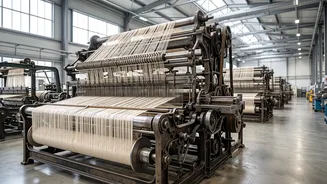
19th century. The establishment of the Coimbatore Spinning and Weaving Mills in 1888 by Sir Robert Stanes marked the city's first step into large-scale textile production. This pioneering effort, soon followed by iconic names like Kaleeswarar Mills and Lakshmi Mills, set the stage for a manufacturing boom. The arrival of hydroelectric power from the Pykara project in the 1930s supercharged this growth, turning the city into a powerhouse of spinning and weaving that employed thousands and shaped its economic destiny.
The Must-Visit Textile Museum
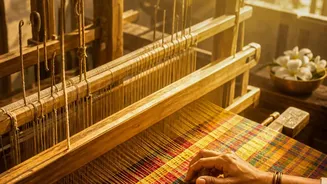
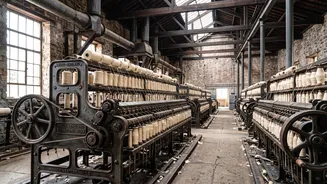
For any visitor keen to understand this history, the Kasthuri Sreenivasan Art Gallery and Textile Museum is the essential first stop. Located conveniently on Avinashi Road, this cultural centre is more than just a gallery; it's a carefully curated journey through the evolution of textiles. The museum, founded by the renowned textile technologist Kasthuri Sreenivasan, houses an impressive collection of artefacts. Here, you can see the progression from simple spinning wheels (charkhas) to complex industrial looms, offering a tangible connection to the machinery that once whirred in the city's mills. The displays showcase different types of weaves and fabrics, providing a comprehensive overview of India's rich textile heritage and the technology that defined it.
A Mill Reborn: The Lakshmi Mills Experience
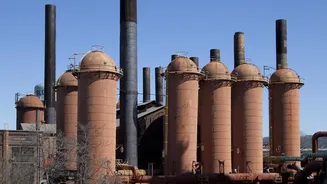
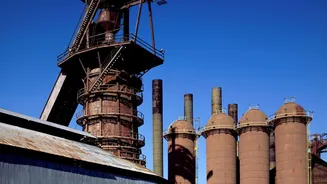
While many of the city’s original mills have either closed or disappeared, the iconic Lakshmi Mills offers a brilliant example of adaptive reuse. Founded in 1910, this historic mill was a cornerstone of the city's textile industry for nearly a century before its operations were shifted elsewhere in 2008. Instead of being demolished, the site has been thoughtfully repurposed into a vibrant urban space. Today, the beautifully preserved industrial structures, with their high ceilings and exposed brick, house a mix of retail stores, cafes, and restaurants. Visitors can wander through a space where thousands once worked, now transformed into a modern public plaza that hosts everything from farmers' markets to cultural events. It’s a place to shop, eat, and experience how a city can honour its industrial past while embracing the future.
The Living Legacy in Markets and Education
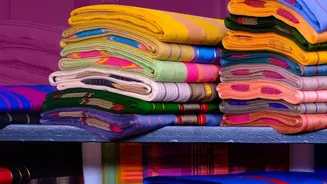
The spirit of the mills is not confined to museums or repurposed buildings. It lives on in the city's bustling markets like RS Puram and Gandhipuram, where you can find everything from traditional Kovai cotton sarees, known for their light weight, to modern textiles. These markets are a direct link to the handloom weavers and power looms that continue to thrive alongside larger industries. Furthermore, the city's educational institutions carry the torch forward. The PSG College of Technology, for instance, has a dedicated Department of Textile Technology, reflecting the deep integration of the industry into the city's fabric of knowledge and innovation. Exploring these places provides a glimpse into how the textile trade continues to be a vital part of Coimbatore's contemporary identity.