


The Significance of a Shravan Diet
The fifth month of the Hindu lunar calendar, Shravan, is dedicated to Lord Shiva and coincides with the monsoon season. In 2026, for North India, this sacred period runs from July 30th to August 28th. Fasting during Shravan, especially on Mondays (Somvar),
is a common practice. The dietary focus shifts to sattvic foods—those that are pure, light, and easy to digest. This aligns with Ayurvedic principles, as the digestive system is considered weaker during the humid monsoon months. The diet traditionally excludes non-vegetarian food, onions, garlic, regular table salt, and certain grains, favouring instead fruits, vegetables, and specific fasting grains.
Monsoon Fruits to Embrace
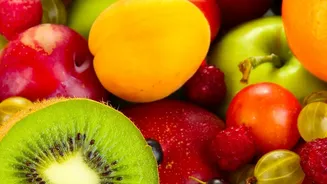
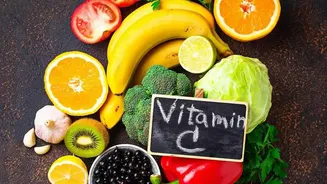
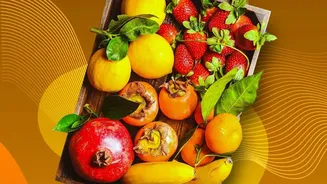
Fruits are a cornerstone of the Shravan diet, providing natural sugars for energy, essential vitamins, and hydration. The monsoon season brings an abundance of delicious options. Jamun (Java Plum) is a quintessential rainy season fruit known for its sweet and tart flavour and is great for digestion. Litchis, with their sweet, juicy flesh, are another monsoon favourite that can boost immunity. Peaches and plums also come into their own during this season, offering antioxidants and fibre. Other excellent fruit choices include apples, bananas, pomegranates, and pears, all of which are widely available and provide sustained energy.
Nourishing 'Vrat-Friendly' Vegetables
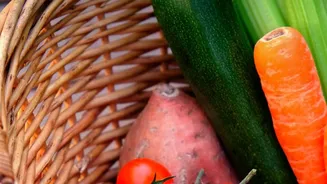
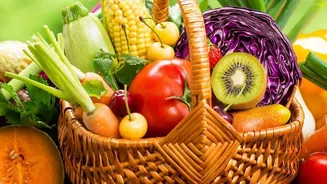
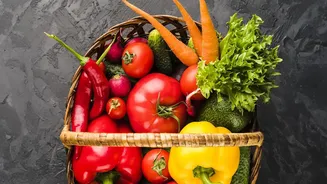
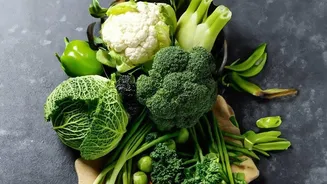
While some leafy greens are avoided due to the higher risk of contamination during the monsoon, a wide variety of vegetables are perfect for Shravan meals. Root vegetables are particularly popular. Potatoes and sweet potatoes are versatile staples that can be prepared in numerous ways. Gourds are also highly recommended. Bottle gourd (lauki), ridge gourd (tori), and pumpkin (kaddu) are hydrating, nutritious, and cook quickly into comforting dishes. Other permissible vegetables include arbi (colocasia), cucumber, and raw banana, which form the base of many traditional fasting recipes. These vegetables are typically cooked simply, using rock salt (sendha namak) and mild spices like cumin and black pepper.
Beyond the Basics: Grains and Dairy
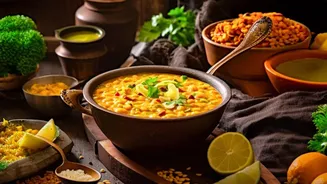
To ensure a balanced diet, the meals are often supplemented with specific fasting-approved grains and dairy products. Flours like buckwheat (kuttu), water chestnut (singhara), and amaranth (rajgira) are used to make rotis and puris. Sabudana (tapioca pearls) is another fasting hero, used in everything from khichdi to kheer. Dairy products like milk, curd (yoghurt), and paneer provide essential protein and calcium. A handful of dry fruits and nuts such as almonds, walnuts, and cashews can serve as an excellent, energy-boosting snack between meals.