




An Emerald Transformation
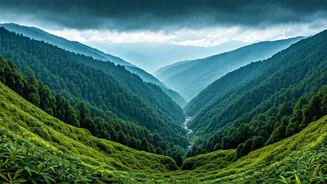
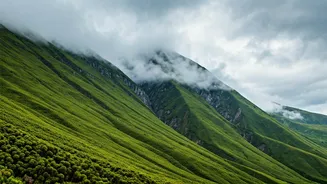
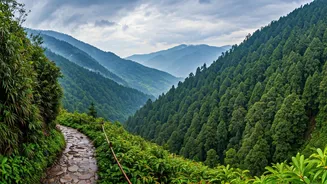
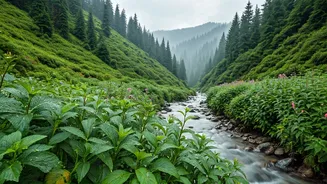
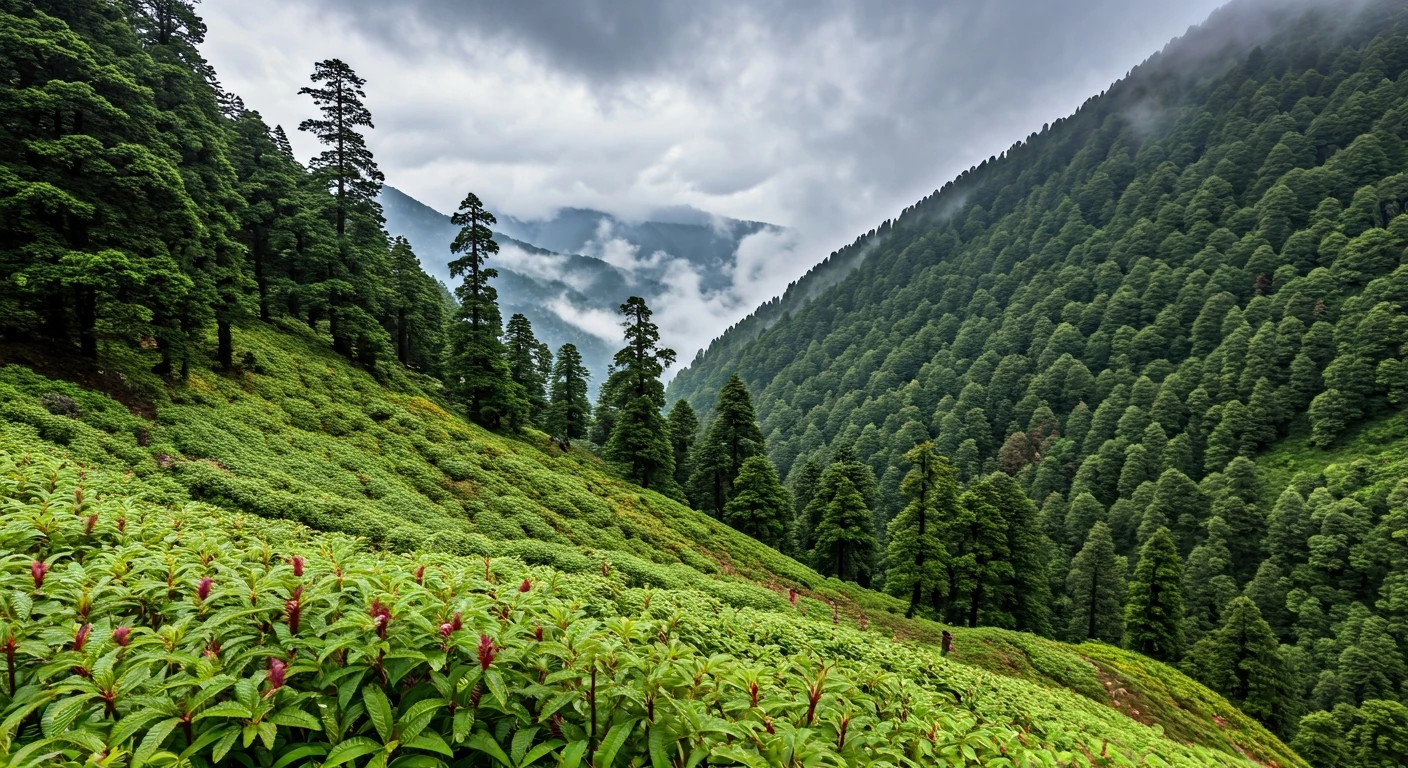
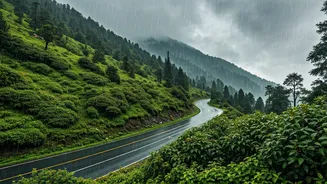
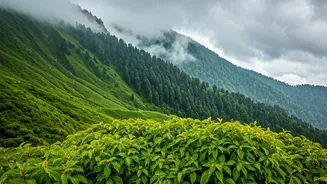
The most immediate change the monsoon brings to Sikkim is an explosion of green. The landscape, already beautiful, deepens into a thousand shades of emerald, jade, and moss. The rain washes the dust from the leaves, leaving the vast tea gardens, like
the famous Temi Tea Garden, looking impossibly lush and vibrant. Hillsides that were muted become saturated with colour, and the air itself feels cleaner and fresher. This transformation is not just a visual treat; it's a sensory one, filled with the fragrance of wet earth and blooming flora. The entire state seems to breathe a sigh of relief, settling into a period of serene growth.
A Symphony of Waterfalls
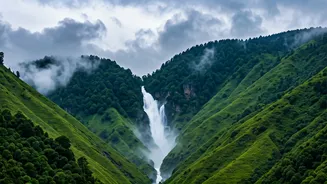
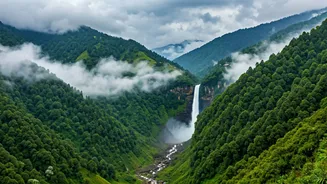
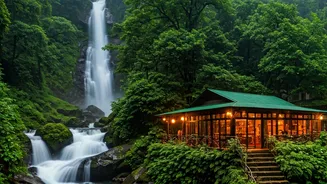
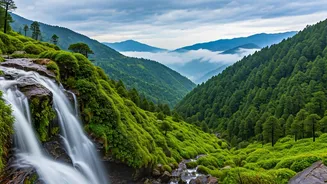
The monsoon is the season of waterfalls in Sikkim. Perennial falls like Kanchenjunga Falls and Banjhakri Falls, near Gangtok, swell to their most dramatic and powerful state. But beyond these famous spots, countless temporary cascades appear, tumbling down cliffs and mountainsides along the roads. The Seven Sisters Waterfall, a series of seven distinct cascades, becomes a particularly magnificent sight, with the combined flow creating a powerful roar and a veil of mist. Driving through the state during this time feels like moving through a dynamic landscape, where every turn reveals another silver stream of water making its way down the green slopes.
Mist, Monasteries, and a Quieter Pace
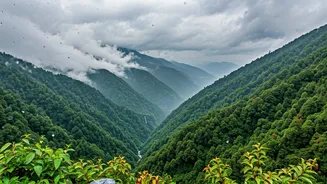
The rain brings with it a constant companion: mist. Clouds descend into the valleys and wrap around the mountains, lending an ethereal, almost mystical quality to the scenery. Ancient monasteries like Rumtek and Pemayangtse, often perched on high ridges, seem to float among the clouds. This misty atmosphere creates a sense of peace and solitude. With fewer tourists braving the rains, popular destinations are less crowded, allowing for a more intimate and contemplative experience. Strolling through a nearly empty MG Marg in Gangtok or visiting a quiet monastery with the sound of rain tapping on the roof is a uniquely tranquil experience.
The Comforts of the Season
The cool, rainy weather provides the perfect excuse to indulge in Sikkim's comforting local cuisine. The chill in the air makes a steaming bowl of Thukpa or a plate of hot momos feel even more satisfying. Cafes in Gangtok become cozy havens, perfect for watching the rain fall while sipping on locally grown Temi tea or a rich coffee. This is a time for slow travel, for reading a book by a window with a view of the misty hills, and for engaging with the local culture at a relaxed pace. It's an opportunity to experience the warmth of Sikkimese hospitality, often found in family-run homestays where a hot meal and a friendly chat await.
A Note on Practicality
While the beauty of monsoon in Sikkim is undeniable, it does require some practical planning. The rains can be heavy, and the risk of landslides and road closures is real, particularly in North Sikkim. It's wise to stick to more accessible areas like Gangtok, Pelling, Namchi, and Ravangla, where roads are generally better maintained. It is essential to travel with an experienced local driver, pack waterproof gear, and maintain a flexible itinerary. But for the traveler willing to embrace the occasional uncertainty, the reward is a vision of Sikkim at its most raw, vibrant, and breathtakingly alive.