






The Humidity Trap: Why Rain Doesn't Always Cool You Down
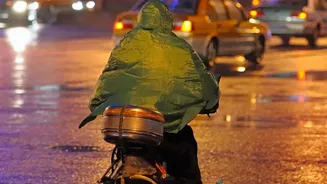
We've all felt it: that sticky, oppressive feeling in the air during a downpour when the heat seems to cling to you. This isn't just a feeling; it's a physical phenomenon. The human body's primary cooling system is sweat. As perspiration evaporates from
our skin, it takes heat with it, lowering our body temperature. However, when the air is already saturated with moisture — as it is during periods of high humidity — this evaporation process slows down dramatically. Sweat has nowhere to go, so it stays on your skin, preventing your body from cooling itself effectively. This is why humid weather feels so much warmer than dry weather, even at the exact same temperature. The rain might cool the ground, but the moisture it pumps into the air acts like a blanket, trapping heat against your body.
What 'Feels Like' Temperature Really Means
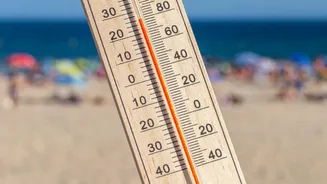
Weather reports often mention the 'heat index' or 'apparent temperature', which is crucial to understand during the monsoon. This measurement combines the actual air temperature with the relative humidity to give a more accurate sense of what the heat feels like to the human body. For instance, a temperature of 32°C with a relative humidity of 70% can feel like a scorching 41°C. At 90% humidity, that same 32°C can feel even more stressful on the body. This is because the added moisture in the air significantly impairs our ability to cool down, putting extra strain on the cardiovascular system. Ignoring the heat index and only paying attention to the air temperature can lead people to underestimate the risk of heat-related illness.
Recognising the Dangers: Heat Exhaustion vs. Heatstroke
When your body can't cool itself, it can lead to serious health issues. The two most common are heat exhaustion and heatstroke. Heat exhaustion is the body's response to an excessive loss of water and salt, usually through heavy sweating. Symptoms include dizziness, tiredness, headache, nausea, muscle cramps, and cool, clammy skin. It's a serious condition but can often be treated by moving to a cool place, resting, and rehydrating. Heatstroke, however, is a life-threatening medical emergency that occurs when the body's temperature regulation system fails completely, causing the core body temperature to rise to dangerous levels, often above 104°F (40°C). The key warning sign is a change in mental state, such as confusion, disorientation, slurred speech, or loss of consciousness. A person with heatstroke may have hot, red skin and might even stop sweating. This condition requires immediate emergency medical attention.
How to Stay Safe in Humid Heat
Protecting yourself during the monsoon's humid heat is about being proactive. First and foremost, stay hydrated. Drink plenty of water throughout the day, even if you don't feel thirsty, but avoid sugary drinks and alcohol which can contribute to dehydration. Wear lightweight, loose-fitting clothing made from breathable fabrics like cotton to allow for better air circulation. If possible, schedule strenuous outdoor activities for the cooler parts of the day, like the early morning or evening. Indoors, use fans and take cool showers or baths to help lower your body temperature. Pay close attention to the most vulnerable, including the elderly, young children, and those with chronic health conditions like heart or respiratory diseases, as they are more susceptible to heat-related illnesses.