




Navratri is a time of devotion, dance, and distinct culinary traditions. But in 2026, what does festive feasting look like? Swiggy's latest data reveals a fascinating blend of tradition and modernity, all captured in one unique Mumbai order.
The Undisputed King: Sabudana Khichdi
Across India,
the nine days of Navratri are marked by specific dietary customs, with many observing fasts, or 'vrats', that exclude grains, onions, and garlic. Yet, fasting is far from a simple affair. It comes with its own rich culinary landscape, and this year, one dish reigned supreme. According to an analysis released by Swiggy covering the festive period, sabudana-based dishes were the most ordered vrat items nationwide. During the peak weekend of October 17-18, the platform delivered an astonishing average of 1,794 sabudana dishes every hour. Both Sabudana Khichdi and Sabudana Vada were clear favourites, proving that this humble, pearly starch remains the ultimate comfort food for those observing the fast. Cities like Mumbai and Bengaluru led the demand for the classic khichdi, with Pune and Jaipur also showing a strong appetite for the dish.
A Tale of Two Desserts in Mumbai
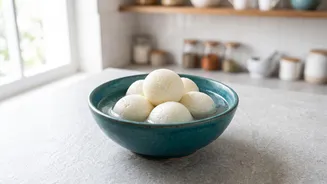
While tradition held strong, the data also pointed to a growing desire for novelty. The most intriguing order highlighted by Swiggy was from a customer in Mumbai who spent ₹9,870 on a single order that included assorted mithais and a 'Coffee Rasgulla Tiramisu'. This order was the highest-value rasgulla-related purchase recorded by the platform during the festive period between October 17 and 20. The dessert itself, a fusion of coffee-soaked rasgulla layered with mascarpone cream, perfectly encapsulates a modern Indian palate—one that embraces global flavours without letting go of local favourites. This single order tells a larger story about culinary experimentation, where a classic Bengali sweet meets an iconic Italian dessert, creating something entirely new yet comfortingly familiar.
The Thali Economy and Sweet Surges
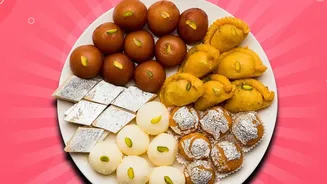
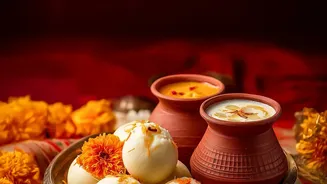
Beyond single dishes, curated festive meals proved immensely popular. Navratri Special Vrat Thalis, offering a complete, fasting-friendly meal, were a top choice, especially combinations featuring Singhara Poori or Rajgira Poori. The demand for these thalis was highest in Delhi, Bengaluru, Gurugram, and Noida. One particularly hungry household in Noida placed an order worth ₹11,072 for 13 such thalis. The festive spirit also fueled a massive sweet tooth across the nation. Swiggy reported a 36.4% increase in orders for traditional sweets compared to the same period in 2025. Rasgulla was the undisputed champion, with an average of 495 orders placed every hour. While metros like Delhi and Mumbai led the charge, smaller cities like Agartala, Shillong, and Bathinda also saw a significant spike in sweet orders, showing how delivery platforms are knitting together festive traditions across the country.
Convenience Meets Custom
The data does more than just list popular dishes; it reflects a fundamental shift in how festivals are celebrated in urban and semi_urban India. The days of spending hours in the kitchen preparing elaborate vrat meals are, for many, being replaced by the convenience of a few taps on a smartphone. Food delivery platforms have seamlessly integrated themselves into the fabric of cultural traditions, enabling people to observe dietary customs without the associated labour. This 'convenience cuisine' allows busy individuals and families to participate fully in the festive culinary experience, whether it’s a simple Sabudana Khichdi for one or an elaborate thali feast for the entire family. The rise in orders from smaller towns further illustrates that this trend is no longer just a metro phenomenon but a nationwide shift.