

The Monsoon's Perilous Bounty
As the rains drench the subcontinent, forests, fields, and even gardens sprout an array of wild mushrooms. While some ethnic communities have traditional knowledge of local edible species, for the average person, this seasonal abundance hides a serious
risk. The damp, humid conditions are perfect for fungal growth, but they don't discriminate between the delicious and the deadly. Each year, numerous cases of mushroom poisoning are reported across India during the monsoon, often with tragic outcomes, including entire families falling ill. Health authorities frequently issue advisories warning the public to avoid consuming wild mushrooms, as many contain potent toxins that can lead to severe illness and death.
The 'Lookalike' Danger
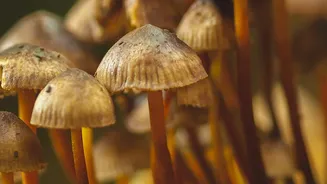
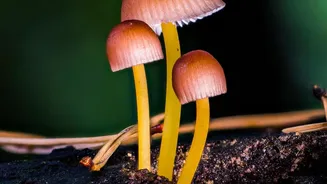
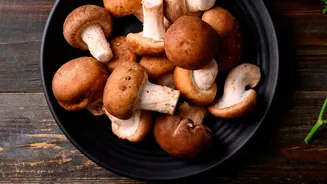
The single greatest danger in eating wild mushrooms is misidentification. Many poisonous species look remarkably similar to edible ones. For example, the deadly Death Cap (Amanita phalloides), responsible for the majority of fatal mushroom poisonings worldwide, can be mistaken for the common paddy straw mushroom. Similarly, the toxic Chlorophyllum molybdites, often found in gardens, can resemble edible varieties. Even experienced foragers can make mistakes. Features like colour, shape, or the presence of scales are not reliable indicators on their own, as they can change with the mushroom's age and growing conditions.
Debunking Dangerous Myths
Folklore and so-called 'kitchen tests' for telling poisonous mushrooms from safe ones are dangerously unreliable and should never be trusted. Common myths include the belief that poisonous mushrooms will tarnish a silver spoon, that they have a foul smell, or that if insects or animals can eat them, they are safe for humans. None of these are true. Some of the most lethal mushrooms, like the Death Cap, are reportedly quite pleasant-tasting. Furthermore, cooking, peeling, or drying a toxic mushroom does not neutralise the poison. The only way to be safe is to be 100% certain of the species, which is nearly impossible without expert knowledge.
Recognising the Symptoms of Poisoning
Mushroom poisoning, or mycetism, can manifest in different ways depending on the toxin ingested. All toxic mushrooms typically cause gastrointestinal distress, including violent stomach cramps, nausea, vomiting, and diarrhoea, which may be bloody. These symptoms can appear within a couple of hours or be delayed for 6 to 24 hours after consumption. A dangerous misconception is feeling better after the initial sickness. With some of the deadliest mushrooms, like Amanita species, there is often a period of apparent recovery before the toxins cause catastrophic liver and kidney failure a few days later. Do not wait for symptoms to appear if you suspect you've eaten a wild mushroom.
What to Do If You Suspect Poisoning
If you or someone you know might have eaten a poisonous mushroom, you must seek immediate medical attention. Go to the nearest hospital emergency department without delay. There is no home remedy or specific antidote for most types of mushroom poisoning; treatment is supportive and focused on managing symptoms and limiting toxin absorption. If possible, take a sample of the mushroom that was eaten with you to the hospital. Carefully collect one or two whole specimens, including the base, as this can help experts identify the species and guide treatment. Taking a clear photo can also be helpful.