





The Sweet Lure of the Festival
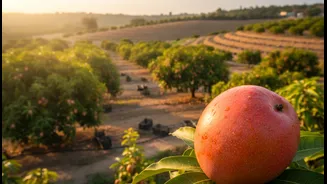
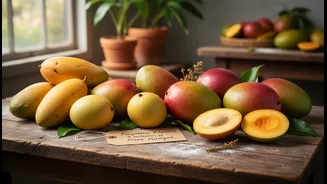
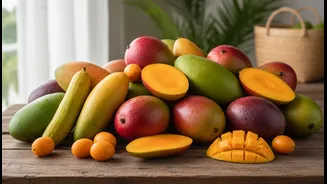
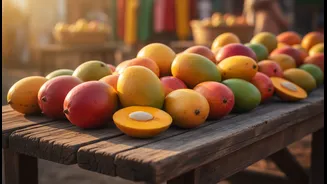
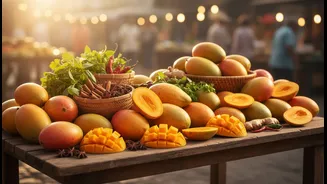
From Delhi to Lucknow and Kolkata, mango festivals have become a staple of the summer calendar. These events are a feast for the senses, showcasing hundreds of varieties that most city dwellers might never encounter, from the famed Alphonso to regional
gems like Dasheri and Langra. Organised by tourism boards and agricultural bodies, their stated aim is to act as a platform for farmers to market their produce, connect directly with buyers, and celebrate India's rich agricultural heritage. They are colourful, popular, and successful in generating tourism and local buzz. The festivals serve as a vibrant homage to the fruit, promoting not just the mango itself but also a wider cultural identity and community spirit. For many attendees, it’s a chance to indulge, learn about different cultivars, and participate in everything from tasting sessions to cooking competitions.
A Harvest of Discontent
Despite the good intentions, the economic reality for many growers participating in these festivals is less rosy. The core issue is that a three-day festival, however popular, often fails to address the deep-rooted challenges that define a farmer's life. These include limited access to larger markets, poor infrastructure, unpredictable weather patterns, and the ever-present pressure from middlemen who control supply chains and squeeze profits. For a small-scale farmer, the cost of transport, stall fees, and accommodation to attend a city-based festival can be prohibitive. Even if they make it, they are often competing in a crowded space where the focus is more on the tourist experience than on building sustainable trade relationships. The festival becomes a temporary solution to a permanent problem, offering a brief window of direct sales without changing the fundamental, year-round economic structure that keeps many growers in a precarious position.
Following the Money
When a consumer buys a kilogram of premium mangoes at a festival, where does the money actually go? In an ideal scenario, a significant portion returns to the grower. Festivals that enable farmers to bypass intermediaries and sell directly to consumers at premium rates are a step in the right direction. However, the value chain is often more complex. Once the costs of logistics, packaging, potential spoilage, and festival participation fees are factored in, the farmer's net margin can shrink considerably. This is the key limit referenced in the headline: the tourism and consumer interest is high, but the system is not always structured to channel that value back to the primary producer. The festival itself can become just another intermediary if its focus shifts from empowering farmers to simply creating an attraction.
Models for a Fairer Harvest
Fortunately, there are models that show a better way forward. Some festivals have been launched with the explicit goal of creating a direct bridge between farmers and consumers. The involvement of Farmer Producer Organisations (FPOs) is a game-changer, allowing growers to pool resources, bargain collectively, and manage logistics more efficiently. Initiatives like the UP Mango Festival have demonstrated how a collaborative model between government bodies, industry, and farmer cooperatives can build a more resilient and profitable system. Furthermore, a successful festival should encourage more than just the sale of fresh fruit. Promoting value-added products like jams, pickles, juices, and dried mangoes allows farmers to capture more value, reduce post-harvest losses, and create revenue streams that last beyond the short fresh fruit season.
From Event to Ecosystem
For mango festivals to deliver on their promise, they must evolve from being isolated events into key pillars of a supportive agricultural ecosystem. This means integrating them with broader strategies that address the farmer's year-round needs. Government initiatives aimed at boosting farmer income and exports are a positive step, but they need to be coupled with on-the-ground support. This includes training in scientific cultivation and modern technology to improve yields, better post-harvest handling to reduce waste, and easier access to credit. It also involves helping farmers meet the stringent quality standards required for export markets, which can open up highly lucrative opportunities but also carries reputational risk if standards slip. The festival can then become a true showcase of this enhanced capacity, not just a colourful market.