





The VAR-Torn Knockout Stage
No issue dominated the tournament quite like the Video Assistant Referee (VAR). The flashpoint arrived in the Round of 16, when defending champions Argentina came from 2-0 down to beat Egypt 3-2 in the final minutes. The match was a firestorm of debate.
A stunning Egyptian goal was disallowed by VAR for a minor foul in the buildup, and a late penalty appeal for Egypt was waved away just before Argentina scored their winner. The Egyptian FA lodged a formal complaint, with their coach alleging bias. The controversy snowballed online, with fans creating the term "VARgentina" as claims of favouritism grew louder after another contentious call went their way in the quarter-final against Switzerland. FIFA’s referee chief Pierluigi Collina publicly defended the decisions, but for many fans, the incidents soured the knockout stages.
The Battle Over Ticket Prices
Even before a ball was kicked, fans were furious over the cost of admission. FIFA introduced a 'dynamic pricing' model for the first time at a World Cup, meaning ticket prices fluctuated based on demand. This led to astronomical costs, with some final match tickets listed for over $10,000. The move was widely seen as pricing ordinary fans out of a tournament that bills itself as 'the world's game.' Empty seats were visible at several matches, including for host nation Canada, raising questions about whether the high prices were to blame. FIFA’s official explanation that fans were simply standing in the concourses was met with scrutiny. Supporters' groups and even some US lawmakers heavily criticized the strategy, arguing it turned the event into an exclusive affair for the wealthy.
Extreme Heat and 'Hydration Breaks'
Playing a summer tournament across the United States, Mexico, and Canada always meant heat would be a factor. It became a major point of contention. In response to player welfare concerns, FIFA mandated three-minute 'hydration breaks' in each half. However, this solution created its own backlash when broadcasters used the stoppages to air commercials, disrupting the flow of the game and leading to accusations that the breaks were more about revenue than player safety. Dozens of players signed a letter calling for stronger heat protocols, arguing that afternoon kick-offs in scorching temperatures were dangerous. The debate turned a weather issue into one of governance: who decides when it’s too hot to play fairly and safely?
Political Tensions Spill Onto the Pitch
Geopolitics cast a long shadow over the tournament, particularly surrounding the United States' relationships with other nations. Fans and officials from several qualified countries, including Iran, faced visa issues and travel restrictions. The Iranian team's support staff had members denied entry, and the squad was forced to relocate its training base. The most politically charged moment came after Argentina's semi-final victory over England. Several Argentine players, including Lisandro Martínez, celebrated by brandishing a banner that read "Las Malvinas Son Argentinas" ("The Falklands are Argentinian"), a direct reference to the disputed islands. The act, a clear violation of FIFA's rules against political statements, drew immediate condemnation and reignited a historic and sensitive rivalry.
Logistical Nightmares and Fan Access
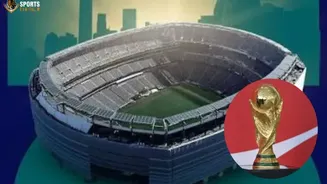
For an event of this scale, getting fans to the games is half the battle, and many host cities seemed to be losing. A significant controversy arose from the poor public transit access to several major US stadiums. Venues like MetLife Stadium, the host of the final, are primarily designed for car-dependent crowds, leading to logistical chaos for international fans accustomed to walkable cities and robust rail service. Reports surfaced of fans having to walk along highways to reach venues. This wasn't just an inconvenience; it highlighted a fundamental mismatch between the infrastructure of American sports venues and the expectations of a global football audience, sparking debates about the suitability of the host selections for an event of this nature.