






The Promise of Peak Freshness
Resealable packaging has transformed how we store and consume food. For everything from chips and nuts to dried fruit and pantry staples, these pouches offer a simple proposition: open, take what you need, and seal it for later. This system is designed
to extend shelf life, reduce food waste, and support busy, on-the-go lifestyles. In theory, it eliminates the need for clips, rubber bands, or transferring contents to another container. Brands have embraced this feature, knowing that consumer convenience is a powerful selling point. The satisfying click of a plastic zipper closing is meant to be an assurance of quality and freshness, a small but significant part of the modern food experience.
When Convenience Becomes a Hazard
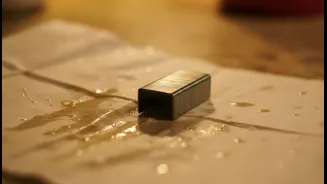
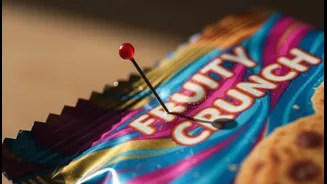
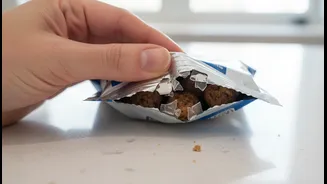
The problem arises when these closures fail. Far too often, the thin plastic tracks of a press-to-close zipper misalign and refuse to seal, or a piece of the track breaks off. Worse still are the slider-style zippers, where the small plastic slider can detach or shatter, leaving behind sharp edges. These failures are not just an annoyance; they present a genuine physical contamination risk. Food safety authorities consider hard plastic fragments a significant hazard, capable of causing injuries like cuts or choking if accidentally ingested. There have been numerous food recalls due to plastic pieces being found in products, demonstrating the seriousness of the issue. When a fastener designed to be near our food breaks, it creates a risk that no amount of convenience can justify.
A Closer Look at the Culprits
There are several types of closures used on flexible packaging. The most common is the press-to-close zipper, which consists of two interlocking plastic tracks. These are versatile but can be prone to misalignment and damage, especially after multiple uses. Another popular option is the slider zipper, which offers easier opening and closing but introduces a small, separate plastic component that can break. Some brands use double-zipper designs for a more secure seal, which can be more robust but don't eliminate the core issue of potential breakage. While all these plastics must be made from food-safe, non-toxic materials like Low-Density Polyethylene (LDPE), their physical integrity is another matter. The focus on material safety sometimes overlooks the mechanical risk when these components fail.
The Push for Better, Safer Design
Manufacturers have a responsibility to design packaging that is safe for its entire intended lifecycle. While innovations in packaging often focus on sustainability or extending shelf life, the physical durability of closures needs more attention. This means investing in stronger, more flexible polymers that resist snapping and creating designs where the closure mechanism is less likely to fragment. Some alternatives are already emerging, including compostable zippers and more robust hook-and-loop style fasteners that don't have small, brittle teeth. The goal should be to create closures that fail gracefully—by ceasing to seal, not by breaking into sharp little pieces that can fall into the bag. A package that won't close is an inconvenience; a package that contaminates its own contents is a danger.
What Cautious Consumers Can Do
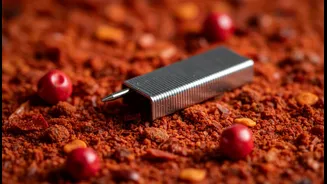
Until safer designs become standard, consumers should remain vigilant. Always inspect the zipper track and slider on a new package before its first use. If you notice any damage or if the closure breaks during use, it's safest to transfer the food to a different, secure container. Avoid using excessive force to open or close a stubborn zipper, as this can cause it to snap. Should you discover a foreign object like a piece of plastic in your food, do not eat it. You can report the issue to the food manufacturer and the relevant food safety authorities. In India, this would be the Food Safety and Standards Authority of India (FSSAI), which has already taken steps to ban hazardous materials like staples in packaging.