



What Are Soft Curtain Bangs?
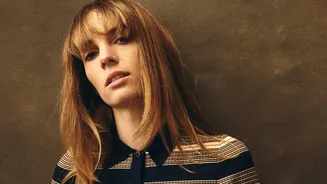
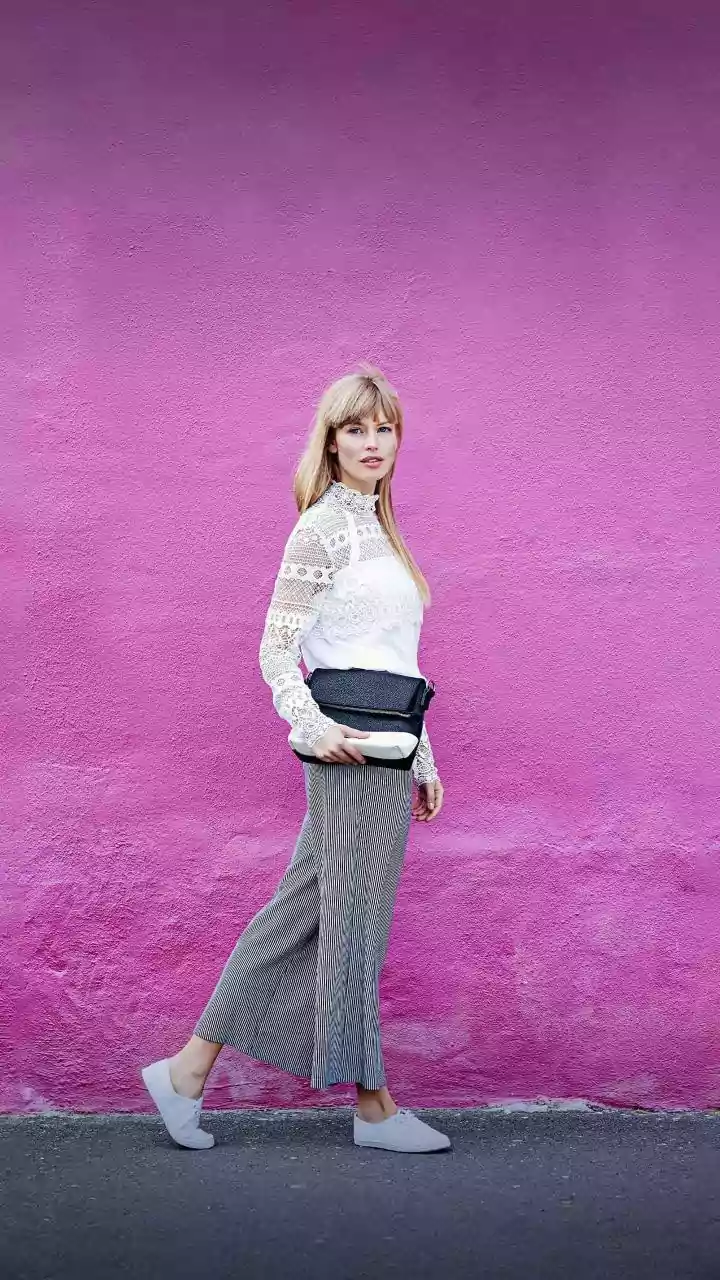
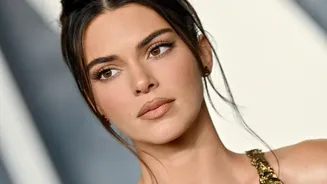
Think of curtain bangs as a fringe parted in the middle, sweeping outwards to frame your face like a pair of drapes. The 'soft' variation takes this a step further. Instead of a heavy, blunt edge, the ends are feathered or point-cut to a lighter, wispier
finish. This technique allows the fringe to blend seamlessly into the rest of your hair, creating a gentle, airy effect that highlights the eyes and cheekbones. Unlike traditional bangs that sit straight across the forehead, soft curtain bangs are all about movement and a lived-in, romantic feel. They are often confused with simple face-framing layers, but curtain bangs are more deliberate, starting shorter in the middle and tapering outwards.
The Universal Appeal: A Fringe for Every Face
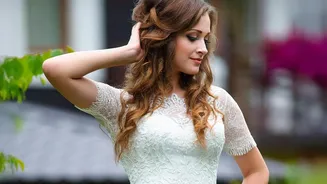
One of the biggest reasons for the curtain bang's popularity is its remarkable versatility. Stylists agree that when cut correctly, they can flatter almost any face shape because the length and sweep can be tailored to your features. For round faces, longer curtain bangs create a vertical line that can have an elongating effect. On square faces, the soft, feathered texture can help soften a stronger jawline. Heart-shaped faces are balanced by a fringe that draws attention towards the cheekbones, while oval faces can pull off nearly any variation. The style also works well across different hair types, from straight to wavy and even curly hair, provided the cut accounts for natural texture and shrinkage.
The Salon Visit: How to Ask for the Look
Clear communication with your stylist is key to getting the curtain bangs you envision. Bringing reference photos is always a good idea, but be prepared to explain what you like about them—is it the length, the softness, or the way they blend? A great starting point is to ask for a 'soft, face-framing curtain bang that parts in the middle'. Specify where you want the shortest piece to fall—whether at the brow, lash line, or cheekbone—and where you want the longest part to end. Using words like 'wispy,' 'feathered,' or 'blended' will signal that you want to avoid a heavy, blunt look. It’s also helpful to mention your natural part and any cowlicks, as this will influence how the bangs fall.
Styling Your New Fringe at Home
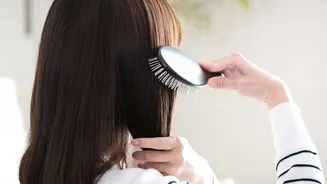
While soft curtain bangs are considered lower maintenance than blunt bangs, they do require a few minutes of styling to look their best. The most common technique involves a blow dryer and a medium round brush. After washing, tackle your bangs first while they're still damp. Using a round brush, blow-dry the hair away from your face, rolling the brush to create that signature outward sweep. For a sleeker finish, you can use a flat iron, gently curving it away from your face as you pass it through the hair. If you prefer a no-heat approach, letting them air-dry in velcro rollers can also set the shape. A spritz of dry texturising spray can add volume and a fluffy finish without weighing them down.
Upkeep and the Grow-Out Phase
To keep your curtain bangs at the perfect length, plan on getting a trim every four to six weeks. This will maintain their shape and prevent them from getting in your eyes. Because they get oily faster from contact with your forehead, you may find you need to wash just your bangs in the sink between full hair washes. One of the best features of curtain bangs is how gracefully they grow out. As they get longer, they don't have an awkward phase like other fringe styles. Instead, they simply transform into longer, face-framing layers that blend beautifully into the rest of your hair, making them a wonderfully low-risk way to change up your look.