







The New Nostalgia Playlist
A curious trend is sweeping across India's youngest generation of music listeners. While the charts are still topped by contemporary artists, a powerful undercurrent of retro appreciation has emerged. Classics from the 70s, 80s, and 90s are finding a new,
devoted audience among listeners who weren't even born when these songs were released. Spotify data has noted a significant rise in nostalgic playlist creation. Artists like Kishore Kumar, Lata Mangeshkar, and R.D. Burman are being streamed alongside today's biggest stars. This isn't just about Bollywood, either. The intricate poetry and soulful melodies of ghazals, once considered a genre for an older generation, are being rediscovered by young people, with artists like Jagjit Singh and Ali Sethi finding new fame online.
The Social Media Catalyst
Much of this revival can be credited to social media, particularly short-form video platforms like Instagram Reels. A 15-second clip can pluck a song from its original context and give it a completely new life. A song like 'Abhi Na Jao Chhod Kar' might accompany a video about monsoon romance, while a sped-up version of an R.D. Burman classic could become the soundtrack to a travel montage. This digital deconstruction allows old songs to become aesthetic tools. The focus shifts from the entire song or its movie plot to a specific mood or 'vibe' that the snippet evokes. This trend has become so pronounced that songs from films like 'Dilwale Dulhania Le Jayenge' and 'Kuch Kuch Hota Hai' are constantly trending, introducing them to a generation that experiences them first as bite-sized audio clips.
In Search of 'Soul' and Authenticity
Beyond the algorithms, many young listeners express a feeling that older music offers something that modern music sometimes lacks: emotional depth. Listeners describe older compositions as having more “soul,” honesty, and a certain 'maahol' or atmosphere that feels more authentic. In an age of autotune and digitally produced beats, the analogue warmth, intricate instrumentation, and raw vocal performances of artists like Kishore Kumar resonate deeply. Some young people find comfort in these tracks, with one 19-year-old noting that covers of old Hindi songs helped her with anxiety attacks in a way new music could not. This search for authenticity is a reaction against what some perceive as the overly-commercialized and formulaic nature of some contemporary music.
Nostalgia for a Time You Never Knew
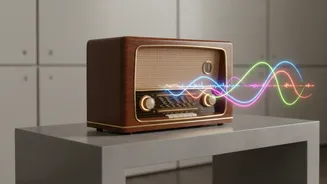
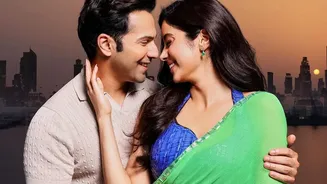
This phenomenon is also linked to a concept called 'inherited nostalgia'—a fondness for a past that one has not directly experienced. For many young Indians, this music was the soundtrack to their parents' lives, played on long car rides or on the radio at home. Listening to these songs can feel like connecting with a simpler, romanticized past. This connection is not just about the music itself but also the visual aesthetics that come with it—vintage fashion, film photography, and a pre-internet sense of romance. This inherited nostalgia offers a form of escapism and a way to build an identity that feels both unique and rooted in cultural history.
The Streaming Effect
Modern technology is not just a stage for this trend; it's an enabler. Streaming services like Spotify and YouTube Music play a crucial role in music discovery. Algorithmic playlists like 'Discover Weekly' can unearth decades-old gems and serve them to a receptive audience. Furthermore, the accessibility of vast back catalogues means listeners are no longer limited to what's currently on the radio. They can explore the entire discography of a composer like R.D. Burman or a singer like Asha Bhosle with a few taps. This has democratized music discovery, allowing Gen Z to become active curators of their own unique tastes, blending the very old with the very new in a way no generation has before.