

Why Pot Depth is a Game-Changer
Before you dismiss it as a minor detail, understand that container depth directly impacts your plant's health. It determines the space available for roots to grow, which affects how they access water and nutrients. A cramped root system leads to stunted
growth, lower yields, and a plant that's more susceptible to problems. Too little soil also means the container dries out faster, especially in warmer weather. Giving a plant's roots the vertical space they need is one of the easiest ways to ensure it thrives from the start. A deeper container generally provides more room for roots to grow downward in search of cooler temperatures and moisture.
Shallow Pots (6 to 9 Inches): For the Quick Growers
Not every plant needs a giant container. Shallow-rooted vegetables and herbs are perfectly happy in pots that are between 6 and 9 inches deep. These are often fast-growing plants that you can harvest relatively quickly. This category is perfect for window sills, small balconies, and gardeners looking for a quick, rewarding crop. Just ensure the pots have a wide surface area to allow for horizontal growth and good air circulation.
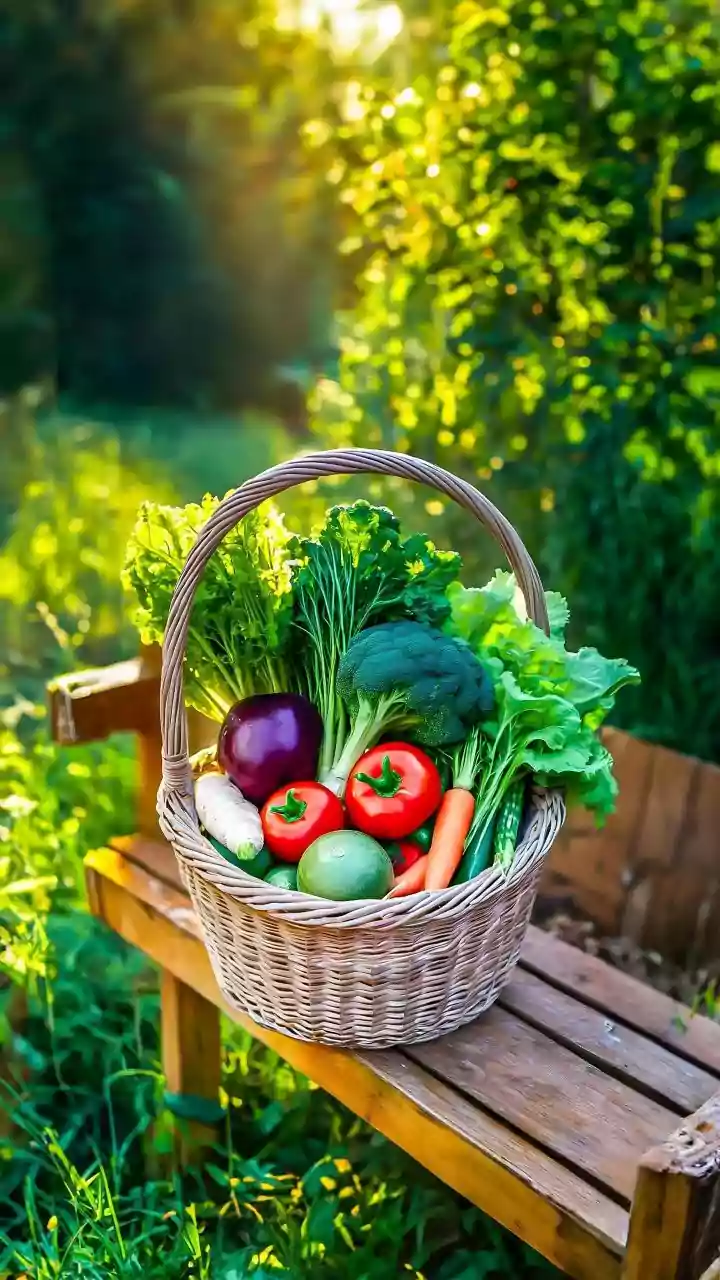
What to plant: Leafy greens like spinach, lettuce, coriander (dhania), and fenugreek (methi) are ideal. You can also easily grow radishes, chives, and other common herbs like parsley and basil in this depth range.
Medium Pots (10 to 14 Inches): The Versatile Middle Ground
This is the sweet spot for many popular vegetables that are perfect for August sowing in India. These plants need more room than leafy greens but don't require the vast space of deep-rooted giants. A container depth of 10 to 14 inches provides adequate room for a healthy root system, leading to more robust plants and better harvests. Many flowers suitable for this season also fit well in this category.
What to plant: Okra (bhindi) is a reliable monsoon crop that does well in a pot at least 10-12 inches deep. Beans, short varieties of carrots, beets, broccoli, cauliflower, and capsicum also thrive in this range. For flowers, zinnias and cosmos are excellent choices for adding colour.
Deep Pots (15 Inches and More): For Long-Term Growth
For vegetables that take longer to mature or have extensive root systems, a deep container is non-negotiable. Anything from 15 to 18 inches or more is necessary for these plants to reach their full potential. This includes many of the larger fruiting vegetables and standard root crops. Trying to grow these in smaller pots will almost certainly lead to disappointment, as the cramped roots simply can't support a large, productive plant. The bigger the pot, the bigger the potential yield.
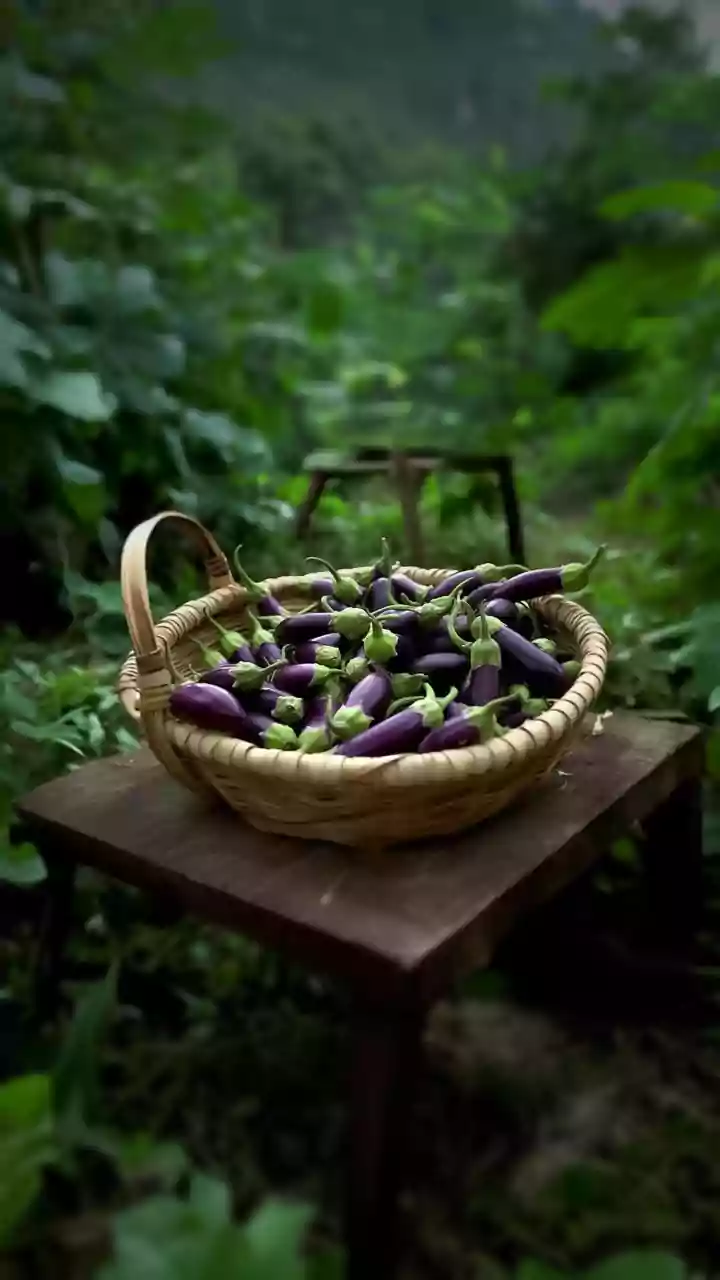
What to plant: Tomatoes, brinjal (eggplant), and cucumbers need this substantial depth to establish a strong root foundation. If you're hoping to grow standard-sized carrots or potatoes, you'll need at least 18 inches of soil depth for their roots to properly develop.
Essential Tips for All Containers
Regardless of depth, a few rules apply to all container gardening. First and foremost, ensure every pot has drainage holes. Waterlogged soil is a death sentence for most plants, as it leads to root rot. If you are using porous terracotta pots, soak them in water before filling them with soil so they don't wick moisture away from your plants. Finally, remember that container plants rely entirely on you for nutrients. The finite amount of soil means nutrients get used up or leached out with watering, so regular feeding with a suitable fertiliser or compost is essential for a healthy garden.