


Stuck in a lunchtime rut of plain rice and curry? It's easy to fall back on the familiar, but a world of flavour and nutrition awaits. Enter millet pulao, a vibrant, wholesome, and surprisingly simple alternative to upgrade your midday meal.
What Exactly Are Millets?
Millets are
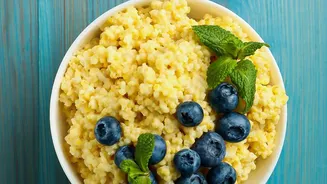
a group of ancient, small-seeded grains that have been a staple in Indian households for thousands of years. Often referred to as 'coarse grains', varieties like foxtail millet (kangni/thinai), barnyard millet (samak), finger millet (ragi), and pearl millet (bajra) are making a major comeback. Unlike polished white rice, millets are typically consumed in their whole-grain form, meaning they retain their nutrient-rich outer layers. They are celebrated not only for their nutritional profile but also for their resilience as crops, as they require less water and can grow in harsh conditions, making them an environmentally friendly choice.
Why Choose Millet Over Rice?
When comparing millet to polished white rice, the nutritional advantages become clear. Millets are generally packed with more dietary fibre, protein, and essential minerals like iron, magnesium, and phosphorus. This high fibre content is a significant benefit; it aids digestion, promotes gut health, and helps you feel full for longer, which can assist in weight management. For those monitoring their blood sugar, millets often have a lower glycaemic index than white rice, meaning they release sugar into the bloodstream more slowly. This helps prevent the sharp energy spikes and crashes often associated with meals high in simple carbohydrates, providing a more sustained energy release throughout your afternoon.
The Best Millets for Pulao
For a pulao, you want a grain that cooks up fluffy and distinct, not mushy. Several types of millet are perfect for this. Foxtail millet is a fantastic starting point because its grains cook up light and separate easily, much like rice, and it has a mild flavour that absorbs spices beautifully. Little millet and barnyard millet are also excellent choices for rice-style dishes, as they have a similar texture and taste that won't overpower the other ingredients in your pulao. Kodo millet is another great option; it has a slightly firmer texture that holds its shape well during cooking. When buying, look for 'hulled' millets, as this means the indigestible outer husk has been removed, making them ready to cook.
Tips for Perfect, Fluffy Millet Pulao
Cooking millet is simple, but a few key steps ensure a perfect texture. First, always rinse your millets 2–3 times in water before cooking. Some recipes suggest soaking for 15–30 minutes, which can help them cook more evenly, but it isn't always mandatory. The water–to–millet ratio is crucial; a general rule of thumb is 1 cup of millet to 2 cups of water or broth. To build flavour, start by sautéing your whole spices (like bay leaf, cloves, and cinnamon) and aromatics (onion, ginger–garlic paste) in a bit of oil or ghee. Add your vegetables and sauté them before adding the drained millet. Give the millet a minute to toast with the spices before adding the water. Once you add the liquid, bring it to a boil, then reduce the heat to low, cover the pot, and let it simmer for about 15–20 minutes, or until the water is fully absorbed. Finally, let it rest, covered, for at least 5–10 minutes before fluffing gently with a fork.
A Simple Millet Pulao Recipe to Start
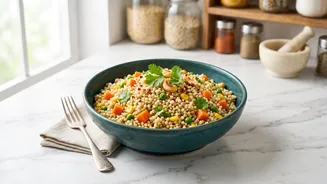
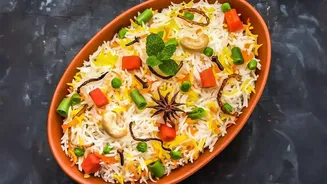
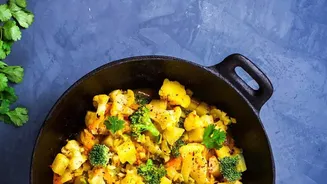
This basic recipe serves as a perfect template. You'll need: 1 cup foxtail millet, 2 cups water or vegetable stock, 1 tablespoon of ghee or oil, whole spices (1 bay leaf, 2–3 cloves, 1–inch cinnamon), 1 sliced onion, 1 teaspoon ginger–garlic paste, 1.5 cups of mixed vegetables (like carrots, peas, and beans), ½ teaspoon turmeric powder, ½ teaspoon garam masala, and salt to taste. Heat the ghee/oil in a pot and add the whole spices. Once fragrant, add the onions and cook until golden. Add the ginger–garlic paste than followed by the vegetables and powdered spices. Sauté for a few minutes. Add the rinsed millet and stir for a minute. Pour in the water or stock than add salt than bring to a boil. Reduce the heat than cover than cook for 15 minutes. Let it rest for 10 minutes than fluff than garnish with fresh coriander leaves before serving with a side of raita.