


The Whole Fruit Advantage
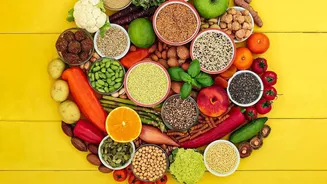
The single biggest difference between eating a whole fruit and drinking its juice comes down to one crucial component: fibre. When you eat a fruit, you consume its pulp and often its skin, which are packed with dietary fibre. This fibre is a powerhouse
for your health. It slows down the absorption of the fruit's natural sugars (fructose) into your bloodstream, preventing the sharp spikes in blood sugar that can happen after drinking juice. This slower digestion not only helps with blood sugar control but also makes you feel fuller for longer, which can aid in weight management. Chewing whole fruit sends signals to your brain that you are eating, contributing to satiety in a way that quickly drinking a liquid does not.
What Juice Leaves Behind
The process of juicing strips away most of the beneficial fibre. For example, a whole orange contains significantly more fibre than a glass of orange juice. This removal turns the fruit into a source of concentrated sugar that hits your system rapidly. The World Health Organization even classifies the sugars in fruit juice as 'free sugars', the same category as table sugar. Beyond fibre, juicing can also lead to the loss of other valuable nutrients and antioxidants that are bound to the pulp and skin. While juice does contain vitamins, the whole fruit offers a more complete nutritional package, providing sustained energy and supporting digestive health.
Amla: The Winter Immunity Star
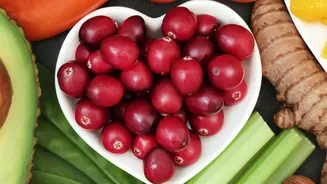
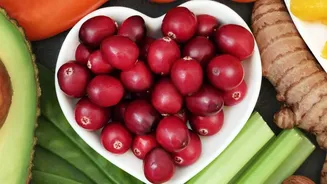
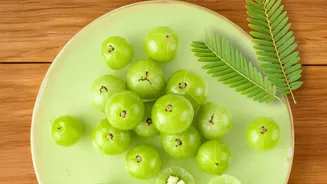
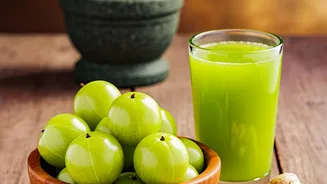
Amla, or the Indian gooseberry, is a true winter superfood and a cornerstone of Ayurveda. It is one of the richest natural sources of Vitamin C, containing far more than an orange. This potent dose of Vitamin C is crucial for strengthening the immune system and warding off common winter illnesses like colds and flu. Amla's antioxidants also support skin health, digestion, and metabolism. Eating the whole fruit, whether fresh, pickled, or as part of a chutney, ensures you get its fibre content, which aids digestion and gut health. Even when cooked or dried, amla retains a high amount of its Vitamin C, making it a versatile and powerful addition to your winter diet.
Guava: The Fibre-Rich Wonder
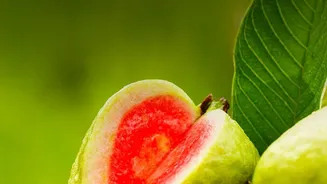
Guava is another standout winter fruit, celebrated for its incredible nutritional profile. It is exceptionally high in dietary fibre, with a single 100-gram serving providing a significant portion of your daily needs. This fibre content makes guava excellent for digestive health, helping to prevent constipation and promote regular bowel movements. Like amla, guava is also a Vitamin C powerhouse, containing even more of the vitamin than oranges. Its low glycemic index and high fibre make it a great choice for those managing blood sugar levels. Opting for a whole, crunchy guava over a glass of juice is the best way to reap its full benefits for digestion, immunity, and satiety.
Oranges: More Than Just Juice
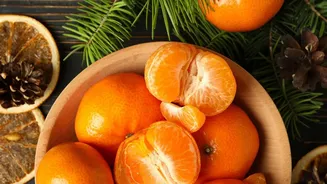
Oranges are synonymous with winter and Vitamin C, which is essential for boosting immunity during the colder months. While orange juice is popular, eating the whole fruit is a far healthier choice. The white pith and membranes that are discarded during juicing are rich in bioflavonoids and pectin, a type of soluble fibre. This fibre slows sugar absorption and contributes to a feeling of fullness. A whole orange provides a balanced mix of vitamins, minerals, and fibre with fewer calories and less sugar than the equivalent amount of juice, making it the superior option for overall health.
Pomegranate: Seeds of Health
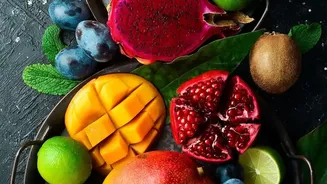
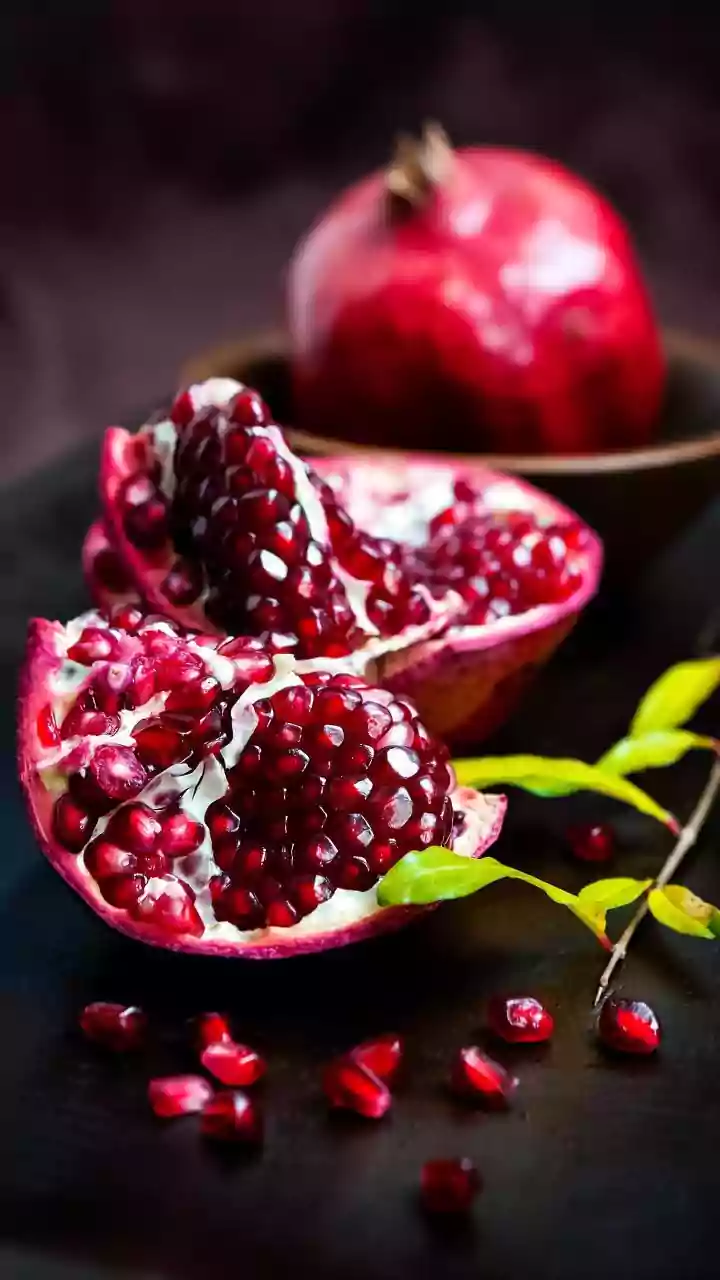
Pomegranates, with their ruby-red seeds (arils), are loaded with powerful antioxidants and vitamins. While pomegranate juice has been studied for its health benefits, eating the whole arils is better for most people. The seeds provide dietary fibre, which is completely absent in juice. This fibre aids in digestion and helps control blood sugar by slowing the release of the fruit's natural sugars. You also get the full spectrum of nutrients without the high concentration of sugar found in a glass of juice. Chewing the arils is also more satisfying and helps with natural portion control.