
From Heirloom Trunks to Everyday Style
For years, handloom textiles like Banarasi silk or Chanderi were often seen as 'mother's wardrobe' territory—beautifully crafted but reserved for weddings and formal occasions. Today, younger fashion enthusiasts are rewriting that narrative. They are pulling
these textiles out of heirloom trunks and integrating them into their daily lives, driven by a desire for authenticity, sustainability, and a connection to their roots. This isn't about wearing a saree in a conventional way; it's about deconstructing it. It's about taking a single element—the rich pallu, the intricate border—and making it a statement piece in a contemporary look. This shift reflects a move away from mass-produced trends and towards pieces that tell a story.
The Social Media Aesthetic
Platforms like Instagram have become a canvas for this sartorial experimentation. The visual depth of a handwoven fabric—the subtle sheen of Chanderi, the complex geometry of an Ikat, or the regal gold work of a Banarasi—creates compelling content that stands out. Influencers and style-savvy users are pairing Ajrakh stoles with crisp white shirts, wearing Jamdani dupattas as crop tops, and styling Kanjeevaram sarees with sneakers and denim jackets. These combinations make traditional garments more versatile and approachable for a fast-paced, urban lifestyle. The goal is to blend cultural familiarity with modern comfort, making heritage accessible for a college class, a casual outing, or a creative work look.
Spotlight on the Weaves
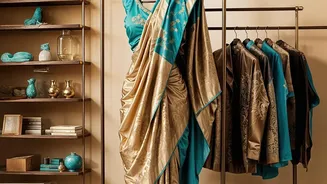
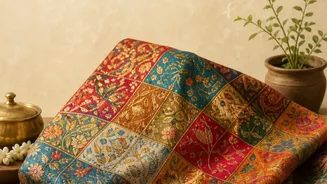
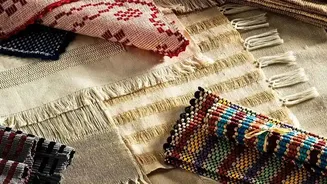
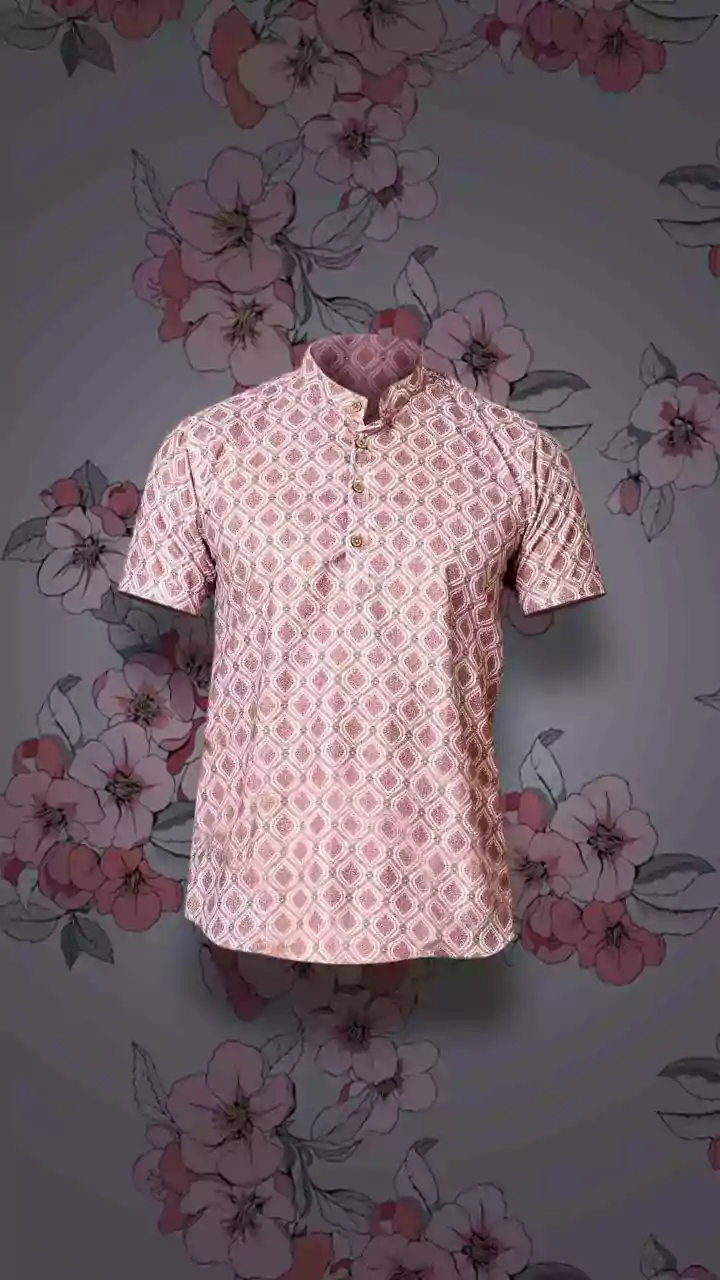
Several regional textiles are at the forefront of this trend. Banarasi silk, known for its opulent gold and silver brocade, is being used for more than just sarees; think tailored jackets and statement trousers. Chanderi, a lightweight and sheer fabric from Madhya Pradesh, is perfect for modern separates like oversized shirts and dresses due to its blend of comfort and understated luxury. Meanwhile, the resist-dyed patterns of Ikat from regions like Gujarat and Odisha are appearing on everything from bomber jackets to co-ord sets. Ajrakh, with its characteristic block-printed patterns in indigo and crimson, is a favourite for shirts and trousers that blend traditional craft with a contemporary silhouette.
A Conscious Fashion Choice
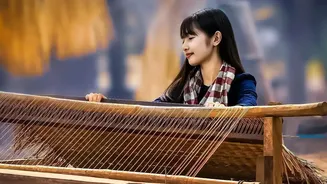
This trend is about more than just aesthetics; it's a conscious rejection of fast fashion's environmental and ethical toll. Gen Z, in particular, is increasingly aware of the importance of sustainability. Handloom production consumes less energy, uses natural fibres, and supports artisanal communities that have preserved these weaving techniques for generations. Choosing a handwoven garment is a vote for quality, longevity, and ethical production. It's a way of investing in a piece with provenance and cultural value, which feels more meaningful than chasing a fleeting trend. This mindset supports a circular economy, where heirloom pieces are cherished and re-worn, and new purchases are made with intention.
How to Curate Your Own Look
Integrating regional weaves into your wardrobe can be effortless. Start small with a statement accessory like a Bandhani or Leheriya dupatta, which can add a pop of colour to a neutral outfit. An embroidered jacket or a handblock printed skirt can be paired with basics you already own, like a simple top or jeans. Don't be afraid to mix textures and styles. A silk skirt with a cotton t shirt, or a rich brocade scarf with a leather jacket, can create a dynamic and personal look. The key is to see these textiles not as rigid traditional wear, but as versatile fabrics that can be adapted to express your individual style.