


The Vanishing Green
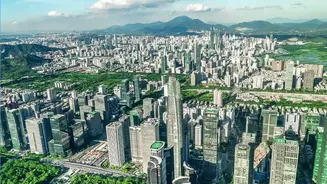
The transformation from 'Garden City' to 'Silicon Valley of India' has come at a steep environmental cost. Studies paint a stark picture: over the last five decades, Bengaluru's vegetation cover has plummeted from over 68% to less than 6%. This dramatic
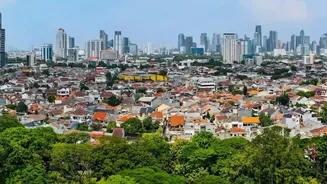
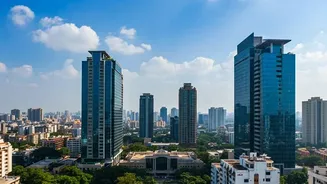
loss is a direct result of a 1055% increase in built-up areas, as concrete and asphalt replace what were once parks, farmlands, and open spaces. The city has lost thousands of trees to infrastructure projects, and a significant number of its famed lakes have been encroached upon or have vanished entirely. This rapid, often unplanned urbanisation, has left the city with a much lower proportion of forest cover compared to other metros like Delhi, which has managed to significantly expand its green areas in the same period.
Combating the Urban Heat Island
The loss of green cover has a tangible effect that residents feel every summer: rising temperatures. Concrete and asphalt absorb and retain far more heat than natural landscapes, creating what is known as the 'urban heat island' effect. As a result, temperatures in Bengaluru’s dense urban core can be several degrees Celsius higher than in its greener outskirts. Research shows that land surface temperatures in the city have climbed significantly, corresponding directly with the reduction in vegetation. Parks, lakes, and tree-lined avenues act as natural air conditioners. They provide shade and cool the air through a process called evapotranspiration. Studies indicate that areas with healthy vegetation and water bodies can be at least 2°C cooler than areas dominated by concrete. In a city grappling with increasingly unbearable heat, these green pockets are not a luxury but a critical defense.
Lungs of the City
Beyond cooling, green spaces serve as the city's lungs, playing an essential role in combating air and noise pollution. Trees are natural air purifiers, absorbing carbon dioxide and filtering out harmful pollutants from vehicle emissions and industrial activity. With Bengaluru's high traffic density, this function is more important than ever. The state's own Forest Minister has warned that without a significant increase in green cover to at least 33%, the city risks becoming a 'gas chamber'. Furthermore, trees and parks act as natural sound barriers, reducing the constant din of city traffic and providing residents with much-needed peace and quiet. This contributes to better public health, reducing the incidence of respiratory issues and stress-related ailments linked to air and noise pollution.
More Than Just Trees and Grass
The benefits of green spaces extend deep into community well-being and biodiversity. Parks are vital social hubs where people connect, children play, and communities form. Access to nature is consistently linked to improved mental health, reducing stress and anxiety. These green areas, even small neighbourhood parks, also function as crucial habitats for birds, insects, and small animals, supporting the city’s overall ecological balance. They are essential for groundwater recharge, as permeable soil allows rainwater to seep into the ground, replenishing aquifers that are under immense strain from borewell dependency. In essence, every park and lake contributes to the city’s water security, mental health, and ecological resilience.
A Citizen-Led Green Revival
Faced with these challenges, a heartening movement is taking root across the city. Citizens, community groups, and NGOs are stepping up to protect and rejuvenate Bengaluru's green and blue infrastructure. Initiatives like #IamBengaluru and B.GREEN are mobilising volunteers for park clean-ups, sapling plantation drives, and waste segregation workshops. These groups are actively involved in everything from plogging (picking up litter while jogging) to conducting workshops on sustainable living. Recently, hundreds of citizens gathered to protest a proposed amendment that would allow parkland to be used for infrastructure projects, sending a clear message about the value they place on these spaces. This growing civic engagement, combined with government efforts to rejuvenate lakes, offers a ray of hope for a greener future.